
Can an East Ridge Electrician Install Smoke Detectors in Your Home?
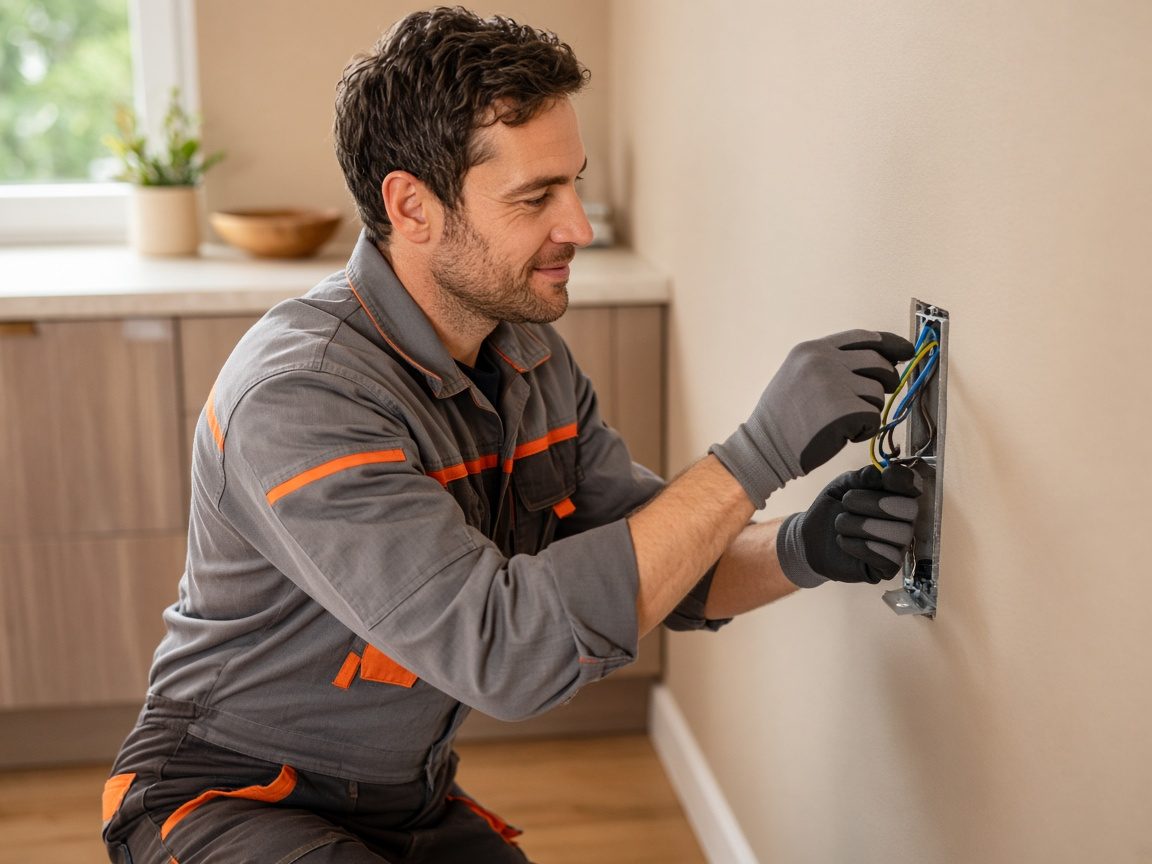
An East Ridge electrician is one of the most reliable professionals you can call when your smoke detectors need attention. Whether your alarms are chirping nonstop, your home is undergoing a remodel, or you simply have units past their useful life, the question of who should handle the job matters more than most homeowners realize. Improperly installed smoke detectors can fail silently, leaving your household unprotected when seconds count. Improper installation can lead to smoke detectors failing to alert occupants during an actual fire. The answer to the title question is yes. Licensed electricians in Tennessee can install hardwired smoke detectors, replace outdated units, and troubleshoot alarms that are not responding correctly. In the Chattanooga TN area, experienced electricians commonly install hardwired smoke detectors with battery backup and interconnected features tied into the home’s electrical system. Relying on a local electrician rather than attempting the work yourself is safer whenever circuits, panels, or new wiring are involved, because hardwired smoke detectors require professional installation for safety.
This article covers the differences between hardwired and battery units, when to call an electrical contractor, what to expect during a professional visit, realistic costs for the region, and practical maintenance tips. By the end, you will know exactly when to pick up the phone and schedule service.
Key Takeaways
- A licensed East Ridge electrician can install and replace both battery-powered and hardwired smoke detectors in residential and commercial properties.
- Tennessee and local building codes often require hardwired smoke alarms with battery backup, proper placement in every bedroom, and interconnected systems throughout the home.
- Hardwired smoke detectors and interconnected alarm systems should always be handled by a qualified professional rather than treated as a DIY project.
- Professional installation helps ensure every smoke detector is working properly, meets code, and provides reliable early warning in an emergency.
- Smoke detectors should be replaced every 10 years regardless of whether they still appear functional, due to sensor degradation over time.
Hardwired vs. Battery Smoke Detectors in East Ridge Homes
Before diving into installation details, it helps to clarify a couple of terms. A smoke detector refers to the sensor device that identifies smoke particles in the air. A smoke alarm includes both the detector and the built-in horn that alerts occupants. In everyday conversation, most people use both terms interchangeably, and that is perfectly fine.
How Hardwired Units Work
Hardwired smoke detectors connect directly to your home’s electrical system through a dedicated branch circuit. In most modern setups, they are interconnected so that when one unit senses smoke, every alarm in the house sounds together. Tennessee building codes require interconnected smoke detectors in new construction and many renovation scenarios. Because these units draw constant power from the home’s wiring, they also include a battery backup that keeps the alarm functioning during outages. Smoke alarms should have a battery backup in addition to being hardwired to maintain protection around the clock.
Battery-Only Units
Battery-only models are standalone devices. They are easier to mount and do not require any wiring work. However, they may not satisfy code requirements in newer construction or when a major remodel triggers permit review. East Ridge enforces applicable building and electrical codes—including the 2018 International Residential Code and the National Electrical Code as adopted in Tennessee—so any permitted project in town is held to current safety standards.
Placement Rules That Apply Locally
Code and National Fire Protection Association guidance require detectors in specific locations:
- Inside every bedroom
- Outside each separate sleeping area, such as a hallway leading to bedrooms
- On every level of the home, including basements
Smoke detectors must be installed in every bedroom and hallways in new constructions. They must also be installed away from doors, windows, and air ducts to prevent false alarms caused by drafts. Long hallways may require additional units spaced roughly thirty feet apart. Installing new hardwired smoke alarms or reconfiguring existing wiring in these locations should be handled by a licensed electrician familiar with East Ridge Building & Codes Department regulations and EPB service guidelines.
When You Should Call an Electrician to Install or Replace Smoke Detectors
Some quick tasks around smoke detectors are perfectly homeowner-friendly, but many situations call for professional electrical services. Hiring an electrician ensures compliance with local building codes and avoids the risks that come with guesswork. Here are common scenarios where you should call a local electrician rather than handle the job yourself:
- You are remodeling a room or adding square footage, triggering permit requirements that bring the home under current code.
- You need to add new hardwired smoke detectors where no wiring currently exists.
- Your older home has cloth-covered wiring, open splices, or no junction boxes near the alarm locations.
- You want to upgrade from battery-only units to interconnected hardwired alarms throughout the house.
- You notice electrical issues such as flickering lights, tripping breakers, buzzing switches, or scorch marks near existing alarms.
If your alarms are interconnected and not working properly, or if you need to replace hardwired smoke detectors from multiple brands, a professional should handle compatibility and wiring checks. Electricians ensure smoke detectors meet local codes and can identify problems that go beyond the detector itself. Improper installation can lead to smoke detector failure, so the stakes are too high for trial and error.
Specific Scenarios Requiring Professional Smoke Detector Help
Certain situations make a strong case for picking up the phone and calling a pro:
- Damaged or outdated wiring around the alarm boxes that may not meet current standards. Electricians can assess wiring issues affecting smoke detectors and recommend the right course of action before mounting new ones.
- Mixed-age or mixed-brand hardwired smoke alarms that keep chirping or failing simultaneously. Swapping in new ones that are compatible with each other requires someone who understands connector types and the wiring harness configurations used by different manufacturers.
- Multiple alarms reaching the ten-year mark at the same time. An electrician can streamline the replacement project, testing each unit and confirming interconnection in a single visit.
- Homes with finished basements, attached garages, or multi-level stairwells where code-compliant wiring routes can be complex. Determining the safest cable path through these spaces often requires experience with residential framing and fire-stop requirements.
- Rental properties or homes being listed for sale in East Ridge. Having smoke detectors installed and documented by a licensed electrician protects both owners and residents, and the paperwork can satisfy fire marshal inspections or insurance inquiries.
Electricians can also assess wiring issues that affect smoke detector functionality in ways that are not visible to the homeowner, such as overloaded circuits or deteriorating connections behind the mounting plate.
Read Where Should Smoke Detectors Be Installed in Your Home?
How an East Ridge Electrician Installs and Tests Smoke Detectors
Knowing what happens during a professional installation visit removes the mystery and helps you plan your day. Here is a plain-language walkthrough of the typical process.
Evaluation. The electrician first inspects existing wiring, panel capacity, and the placement of current detectors against applicable Tennessee and local code requirements. Electricians can check for underlying electrical issues during installation, such as overloaded circuits or corroded connections, that could affect the new device down the road.
Power shutdown. The correct breaker is turned off, and the electrician uses a non-contact voltage tester to verify that power is fully disconnected before touching any wiring. This step protects everyone in the home and prevents damage to the new units.
Removal and preparation. Old alarms or junction box covers are carefully removed. If the existing wiring is in good shape and compatible, it can be reused. If not, new cable is run to the location using approved methods.
Mounting and wiring. New hardwired smoke detectors are secured to their mounting base, wired to the branch circuit, and interconnected using approved connectors and cable types. The electrician confirms that each connector is seated correctly and that no bare conductors are exposed outside the junction box.
Testing. Power is restored at the breaker. The electrician presses the test button on each unit, confirming that all interconnected alarms sound together. Indicator lights are checked to verify the system is functioning as expected. Electricians should verify interconnection functionality across installed smoke detectors before leaving the job site. Electricians ensure smoke detector placement meets safety standards throughout this entire process.
Safety, Code Compliance, and Documentation
Licensed electricians in East Ridge follow the National Electrical Code as adopted by local authorities, along with any additional municipal requirements. Electricians must hold a valid Tennessee electrical license to pull permits through the East Ridge Building & Codes Department for new circuit wiring or hardwired alarm installations. Smoke alarm installation should follow national electrical code rules to ensure the system performs reliably over its full life.
Electricians must follow National Fire Protection Association standards for smoke detectors, which dictate spacing, height, and proximity to obstacles. They size circuits correctly, protect cables with appropriate overcurrent devices, and use listed equipment to avoid future fire hazards and nuisance tripping. Professional installation ensures smoke detectors meet local codes, and a qualified electrical contractor can provide documentation or receipts useful for insurance claims, home sales, or rental inspections.
During the same visit, many homeowners request a quick inspection of GFCI outlets, exterior receptacles, and the main service panel. This is a smart use of the electrician’s time and can reveal small repairs before they become bigger problems. Professional installation provides peace of mind for homeowners who want to know their safety systems are genuinely reliable. To make the visit as efficient as possible, schedule service at a time when all areas with alarms are accessible so the team can test the entire system without delays.
Costs, Lifespan, and Maintenance of Smoke Detectors in Chattanooga TN
Costs for installing smoke detectors vary by type, number of units, and complexity of the wiring involved. Getting a written estimate from your electrician is the only way to confirm exact pricing, but here are realistic averages for the East Ridge area.
| Cost Factor | Typical Range |
| Hardwired detector installation (per unit, existing wiring) | $80 to $150 |
| Hardwired detector replacement (per unit, average in TN) | Around $105 |
| Installation costs for hardwired smoke detectors (general) | $100 to $200 each |
| Battery-only detector (unit cost, no labor) | $15 to $50 |
| Whole-house system or new wiring project | Several hundred to over $1,000 |
Installation costs for hardwired smoke detectors range from $100 to $200 each when factoring in labor, materials, and the complexity of the wiring route. Projects that require running new cable through finished walls or ceilings sit at the higher end of that range.
Hardwired smoke detectors should be replaced every 10 years, even if they still appear to work, because sensors degrade over time. Look for a manufacture date on the back of each unit to determine its age. Smoke detectors should be replaced every 10 years as a standard safety practice.
Basic Maintenance Tips for Homeowners
- Test each alarm monthly by pressing the built-in test button.
- Keep units free of dust and debris by gently vacuuming the exterior with a soft brush attachment.
- Replace backup batteries according to the manufacturer’s schedule, typically once a year or when the low-battery chirp begins.
- Schedule periodic electrical service visits where a professional can test interconnected alarms, inspect wiring, and address any recurring chirps or trouble signals.
DIY Tasks vs. Professional Service
Battery-powered smoke alarms can often be mounted by homeowners as a DIY project. Changing batteries, cleaning detector covers, and pressing the test button are all straightforward tasks that do not require a license or special tools.
Swapping a like-for-like unit on a hardwired harness can seem simple, but compatibility issues or a damaged connector are a clear sign to stop and call an electrician. Mismatched brands or outdated wiring can cause intermittent failures that are difficult to diagnose without proper equipment.
Running new cable, adding circuits, or tying into existing lighting circuits should always be left to a licensed professional. If a smoke alarm keeps chirping after you have tried fresh batteries and basic cleaning, the safest option is to schedule service with a local electrician who can inspect the device and the circuit behind it. Correct installation and ongoing maintenance significantly increase the chance that alarms will provide early warning in a real fire.
East Ridge Electrician – Foster Electric
We are Foster Electric, a trusted electrician based in East Ridge, Tennessee, and we proudly serve residents across Chattanooga and the prominent surrounding neighborhoods. Our team brings years of hands-on experience with hardwired smoke detectors, panel upgrades, troubleshooting electrical issues, and keeping every system in your home working properly. We treat quality workmanship as a commitment on every job, whether it involves a single alarm replacement or a full-house upgrade with interconnected units. When you need an electrician who understands local building codes and delivers safe, code-compliant results, we are ready to help. Call Foster Electric at (423) 826-7270 or fill out our online contact form to schedule service for smoke alarm installation, inspection, or any residential or commercial electrical project. Your safety is our priority.
Frequently Asked Questions
How Many Smoke Detectors Does a Typical East Ridge Home Need?
A standard three-bedroom, single-story home typically needs a minimum of five or six smoke detectors: one inside each bedroom, one in the hallway outside the sleeping area, and one in each remaining common living space or level. Larger homes, additions, or layouts with long hallways may justify extra units for faster alerting. Local code enforcement in the Chattanooga TN region generally follows NFPA placement recommendations, though exact requirements can vary depending on the age of the home and its permit history. During a visit, an electrician can walk through every room and recommend an appropriate number of units along with the best mounting locations. Exceeding the minimum is always a good idea, especially in multi-level or older homes with complex floor plans.
Should I Install Combination Smoke and Carbon Monoxide Detectors?
Combination alarms sense both smoke and carbon monoxide in a single device. They are especially useful in homes with gas furnaces, water heaters, or attached garages where CO can accumulate. Tennessee homes that rely on fuel-burning equipment benefit from CO monitoring near sleeping areas and on each level of the house. A licensed electrician can recommend whether dedicated CO alarms, combo units, or a mix of both makes the most sense for your layout. In many cases, installing combo hardwired smoke and CO detectors simplifies both the wiring and ongoing maintenance. Keep in mind that placement guidelines for CO sensors differ slightly from smoke detectors in terms of height and proximity to appliances, which is another reason professionals handle these installations.
What Should I Do Before an Electrician Comes to Install Smoke Detectors?
Start by preparing a list of your existing smoke detector locations, noting the age of each unit and any history of chirping or nuisance alarms. Clear access to ceilings, attics, stairwells, and the electrical panel so the electrician can work efficiently and safely without having to move furniture or storage bins. If you have past inspection reports or remodeling permits that show existing wiring diagrams, gather those as well. Decide in advance whether you prefer standard interconnected alarms or smart smoke alarms with mobile alerts so you can discuss options during the visit. Having pets secured in a separate room and letting family members know about the scheduled appointment makes the process smoother and quicker for everyone involved.
Can an Electrician Connect My Smoke Detectors to a Smart Home System?
Many newer smoke detectors offer smart features like mobile phone alerts, voice notifications, and integration with popular home automation platforms. An electrician can power and interconnect hardwired smart alarms while following electrical code rules for line-voltage and low-voltage separation. They can also evaluate Wi-Fi coverage and placement issues that might affect the performance of a smart detector in certain areas of your home. Some systems tie into monitored security panels, which must be wired and configured carefully to avoid false alarms and unnecessary dispatch fees. If you are planning future upgrades to other smart devices, mention that during the visit so the electrician can design the wiring to accommodate expansion without opening walls a second time.
Are There Special Smoke Detector Rules for Rental Properties in East Ridge?
Under Tennessee law (T.C.A. § 68-102-151), landlords are legally required to install and verify working smoke alarms in all residential rental units prior to occupancy, while tenants are prohibited from tampering with installed alarms. Tenants are typically expected to report problems promptly and may be asked to test alarms periodically as outlined in their lease terms. Local housing and fire officials can require upgrades during inspections, renovations, or when rental units are being brought up to modern standards. Rental property owners should hire a licensed electrician to install and document hardwired smoke alarms and any required interconnected systems, as that documentation protects both the owner and the occupants in the event of a dispute or insurance claim. Both landlords and tenants benefit from treating smoke detector maintenance as a shared, ongoing safety responsibility rather than a one-time task at move-in.
Disclaimer
This article provides general information for East Ridge, Tennessee homeowners and does not constitute legal, code, or safety advice. Readers should verify current local requirements and consult a licensed professional before performing any electrical work.
Read Signs of a Failing Electrical Panel: Insights from an Electrician in East Ridge, TN