
Why Your Electrician Cares About Electrical Panel Warning Signs
An electrician who works in and around East Ridge sees the same pattern over and over: homeowners ignore small electrical problems until something goes seriously wrong. That warm spot on the panel cover, the lights that flicker when the microwave runs, the breaker that trips one too many times. These are not minor inconveniences. They are signals that the heart of your home’s electrical service may be deteriorating. Left unaddressed, a failing panel can become a fire hazard capable of putting your family and property at risk. The good news is that every one of these warning signs can be caught early, diagnosed, and corrected by a licensed professional working under Tennessee regulations. This article breaks down exactly what to watch for, what causes these issues, and when it is time to repair or upgrade your panel from an East Ridge perspective.
Key Takeaways
- Flickering lights, a burning smell, a hot panel cover, and frequent tripping breakers are major warning signs that your electrical panel may be failing and needs professional attention.
- Dead outlets, scorch marks, and sizzling sounds at the breaker box can point to loose or overheating connections that only a licensed electrician should diagnose and repair.
- Older panels, especially those over 25 years old or from recalled brands like Federal Pacific or Zinsco, pose a serious fire hazard even when they appear to be working fine.
- Adding modern loads such as an EV charger, upgraded HVAC, or home office equipment often demands a panel upgrade to maintain safety and code compliance.
- If any of these red flags are present in your East Ridge, TN home, schedule a professional electrical panel inspection before a small problem becomes a dangerous one.
How an Electrical Panel Works in Your East Ridge Home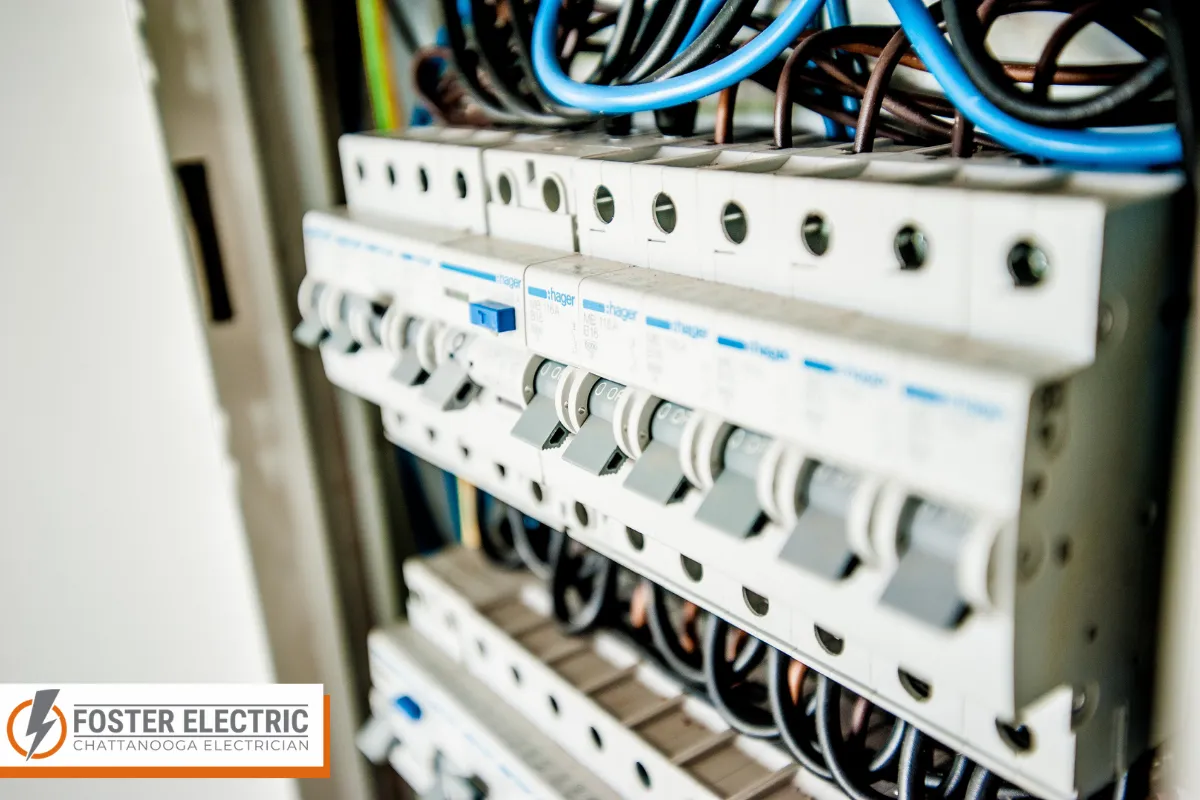
Power enters your home through the utility meter and passes into the main breaker inside your electrical panel. From there, electricity is distributed through individual circuit breakers to the branch circuits that feed every outlet, light fixture, and appliance in the house.
Inside the panel, you will find several key components:
- A main breaker that controls the total power flowing into the home
- Individual breakers assigned to specific circuits
- Bus bars that carry current from the main breaker to each branch breaker
- A neutral bar and a grounding bar that complete the circuit safely
Each breaker acts as a gatekeeper. When current on a circuit exceeds a safe level due to an overloaded circuit or a short, the breaker trips and cuts power before wiring can overheat. Newer panels installed to meet the National Electrical Code often include AFCI and GFCI breakers, which provide additional protection against arc faults and ground faults in locations like bedrooms, kitchens, and bathrooms. Tennessee has adopted the 2023 NEC, making these protections a standard expectation for new work.
Understanding these basics helps you recognize when something looks, sounds, or smells wrong at the panel without encouraging you to open it yourself.
Red Flags You Will Notice First: Flickering Lights and Nuisance Trips
Flickering lights and frequent breaker trips are typically the earliest warning signs a homeowner notices. They are easy to dismiss, but they deserve attention.
Flickering lights indicate potential electrical panel issues, especially when they happen repeatedly under specific conditions. Here are common scenarios:
- Lights dim noticeably when the HVAC compressor kicks on or the microwave runs
- Overhead lights flicker during storms or when the EV charger activates
- A single circuit drops power momentarily then comes back on its own
Flickering or dimming lights suggest the panel cannot handle current demand. The root cause may be a loose connection at the bus bar, an overloaded circuit drawing more current than the breaker and wiring can support, or an undersized panel that was never designed for today’s electricity consumption.
Repeated breaker trips suggest an overloaded electrical panel. There is a meaningful difference between a breaker that trips once because you plugged a space heater into an already loaded circuit and a breaker that trips repeatedly under normal use. The first scenario is the breaker doing its job. The second points to a deeper problem, whether that is a failing breaker, deteriorating wiring, or a circuit that has been asked to carry far more than it was designed for.
Frequent breaker tripping indicates a failing breaker or overloaded circuit. If this is happening in your home, start logging patterns. Note what appliances were running, what time of day the trip occurred, and which breaker was involved. This information helps your electrician troubleshoot the issue faster and identify whether the problem is isolated or systemic.
Burning Smell, Heat, and Scorch Marks at the Panel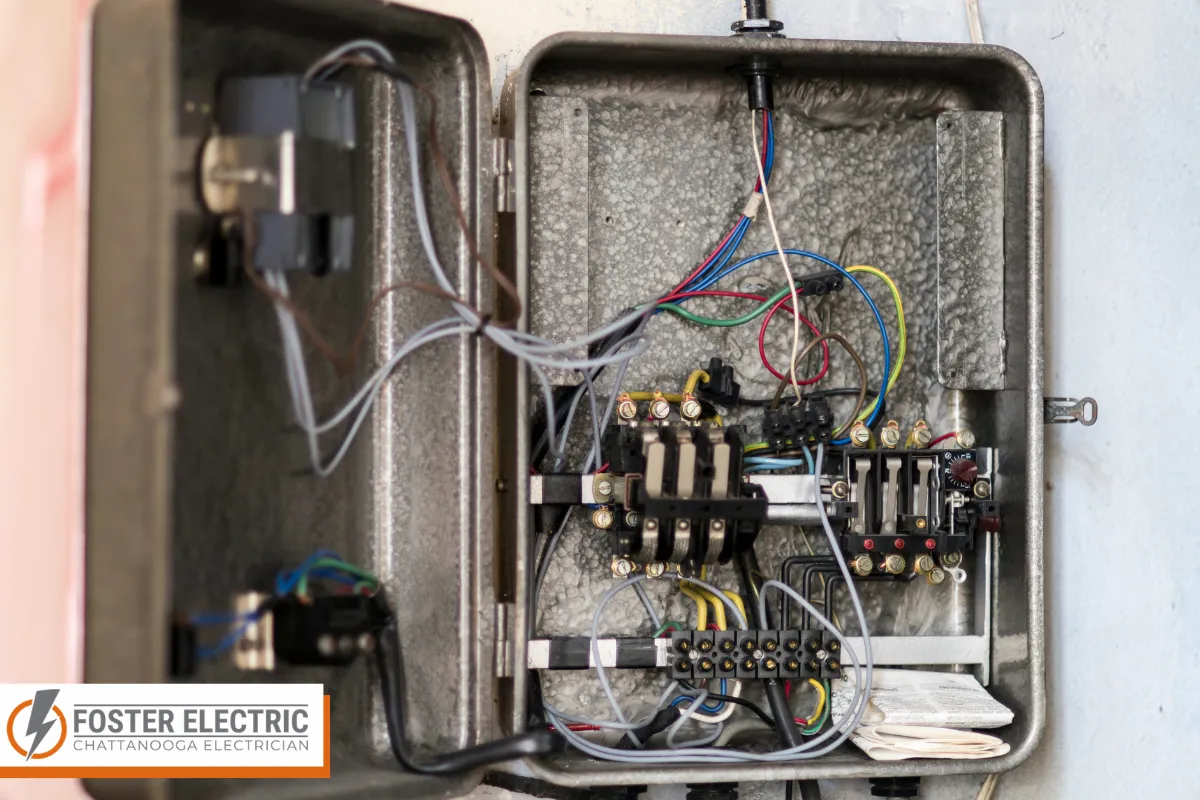
If you detect a burning smell near your breaker box, feel heat radiating from the panel cover, or see visible scorch marks, these are urgent warning signs that demand immediate attention.
Burning smells from the panel indicate serious electrical problems. That odor is often the result of plastic insulation or wire sheathing overheating inside the enclosure. Hot breakers or panels are signs of potential failure, frequently caused by loose lugs, corroded bus bars, or a breaker generating excessive resistance at its connection point. Field inspections using thermal imaging have shown that temperature differences as small as 10 to 12 degrees Celsius above a neighboring connection can indicate a dangerous loose termination building toward failure.
Scorch marks around the panel indicate overheating issues. Discoloration on the metal cover, melted plastic on breaker handles, or darkened areas around wire terminations are all evidence that heat has already reached dangerous levels.
What you can safely check from the outside:
- Does the metal cover feel warm or hot to a light touch?
- Is there a persistent burning odor when you stand near the panel?
- Do you see any discoloration or darkening on or around the panel door?
If burning odor or smoke is present, turn off the main breaker only if you can do so safely without opening the panel. Evacuate and call emergency services if you suspect fire. Any evidence of heat or scorching warrants a professional inspection and likely electrical panel upgrades for safety.
Dead Outlets, Half-Powered Rooms, and Other Subtle Clues
Not every sign of a failing panel is dramatic. Sometimes the clue is a dead outlet in a bedroom, a room where only half the receptacles have power, or switches that work intermittently.
Dead outlets and circuits that randomly lose power often trace back to the panel itself. Common culprits include:
- A breaker that has failed internally but has not visibly tripped
- A loose connection on the neutral bar causing intermittent voltage on branch circuits
- Damaged wire terminations inside the panel where conductors connect to breakers
Intermittent power to outlets may precede complete circuit failure and should not be written off as a quirk of an older home. These electrical issues tend to worsen over time, not improve.
Using extension cords or power strips as a permanent workaround is not a solution. Daisy-chaining strips increases load on a single circuit and creates an increasing fire risk at the plug and cord level. If multiple outlets or entire rooms in your home show strange or inconsistent behavior, schedule an evaluation with a licensed professional who can inspect the panel and circuits properly.
Buzzing, Humming, or Sparking Sounds Around the Panel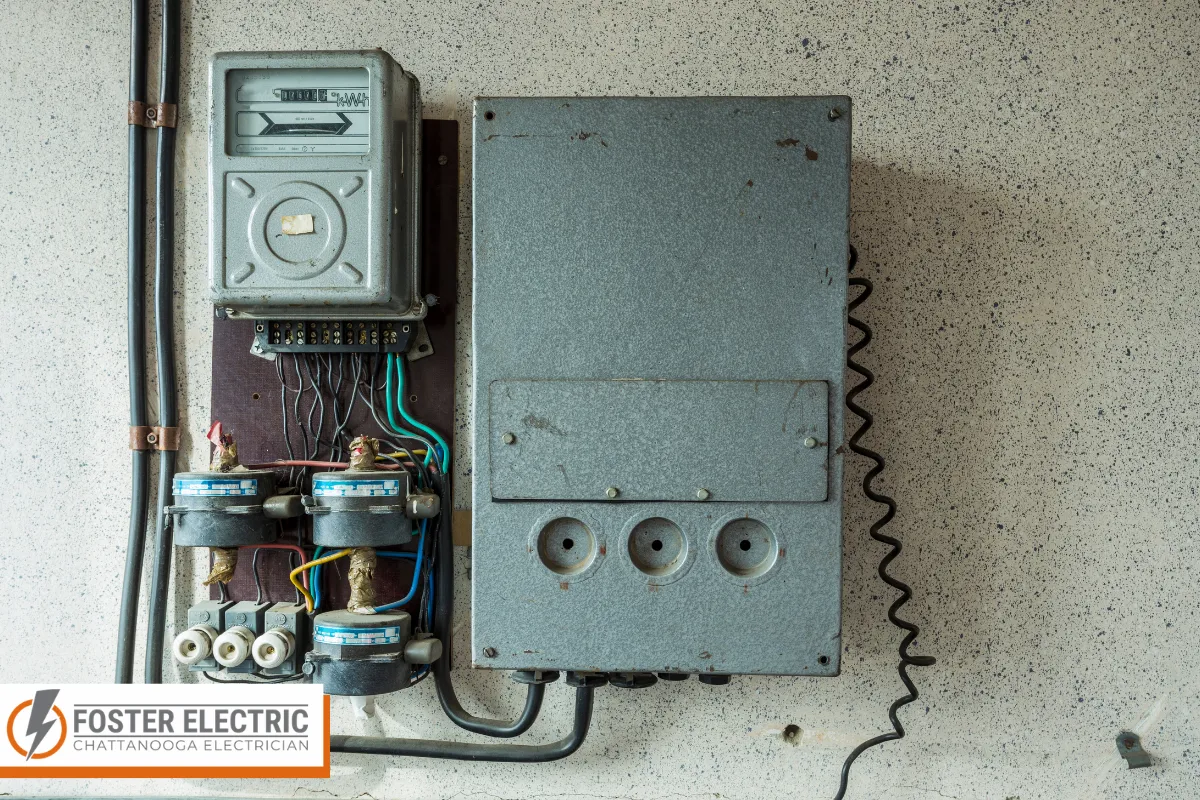
A properly functioning electrical panel is quiet. You may hear a faint hum from the transformer or a brief click when a breaker trips, but that is about it. Unusual noises like buzzing or crackling point to loose connections or arcing, and they are definite red flags.
These sounds typically come from:
- Breakers that no longer seat firmly on the bus bar and feel loose in their slots
- Arcing at wire terminations where a loose connection creates a tiny spark gap
- Internal breaker failure where the trip mechanism chatters without fully engaging
Arcing inside the panel creates carbon buildup and concentrated heat. Over time, this becomes a serious fire hazard. Sizzling sounds or popping noises are not something to monitor and wait on. They indicate active degradation.
Do not tap, wiggle, or attempt to reseat breakers yourself if you hear these noises. The risk of shock or triggering a larger arc flash is real. If the noise is persistent or accompanied by a burning smell, turn off the main breaker only if you can reach it safely without opening the panel cover. Then call a licensed electrician immediately in East Ridge, TN to assess the situation.
Read When to Replace Your Electrical Panel: Advice from an Electrician in East Ridge, TN
Age, Brand, and Capacity: When an Old Panel Becomes a Liability
Many homes in East Ridge were built with electrical systems that served the needs of the era but fall well short of modern demands. Many older panels still in service were designed for a time when a home’s biggest electrical draw was a clothes dryer and a window air conditioner.
Age-related issues accumulate quietly:
- Corrosion on bus bars and terminal screws from years of thermal cycling
- Brittle insulation on incoming conductors that cracks and exposes copper
- Breaker mechanisms that weaken after thousands of trips and no longer respond reliably
Outdated panels installed before the 1990s are safety hazards. Many of these panels lack AFCI, GFCI, or surge protection and do not meet current electrical codes. Panels over 25 years old frequently show signs of wear that compromise safety even when no obvious symptoms are present. Older panels installed before the 1990s are risky, and the general recommendation from industry professionals is to replace panels older than 25 years to avoid hazards.
Brand matters as well. Outdated panel brands like Federal Pacific and Zinsco are known for safety failures, specifically breakers that fail to trip when they should. Pushmatic panels and fuse boxes are also considered hazardous by modern standards. Even if one of these panels appears to be working, the internal trip mechanism may not engage during an actual overload or short circuit, which defeats the entire purpose of overcurrent protection.
Capacity is the third concern. If your panel has no remaining breaker spaces, or if tandem breakers have been installed where they are not permitted, the panel is maxed out. Many homes have panels undersized for modern electrical loads, and adding a new appliance, an EV charger, or even a small home office setup can push a marginal panel past its safe limit.
How Modern Loads Stress an Outdated Electrical Panel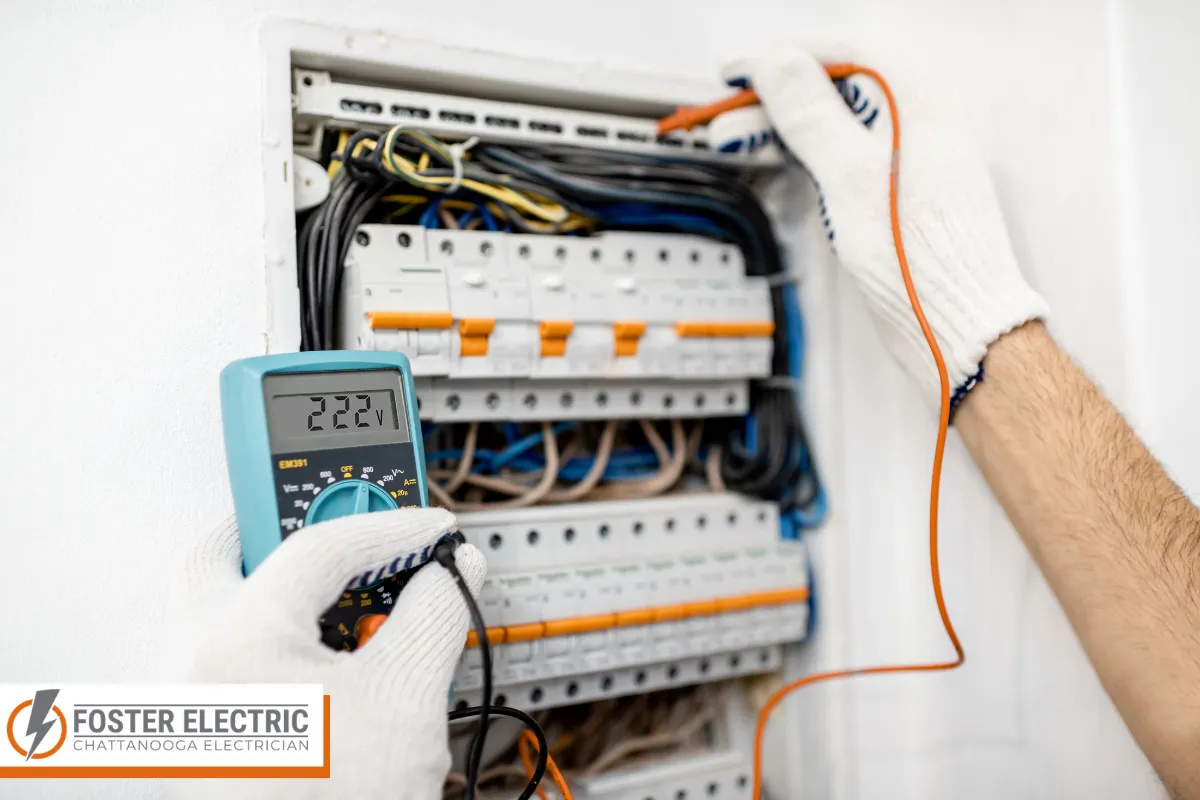
The way we use electricity in East Ridge homes has changed dramatically. Typical new loads include:
- Level 2 EV chargers requiring a dedicated 40 to 50 amp circuit
- High-efficiency heat pumps and upgraded HVAC systems
- Hot tubs, saunas, and pool equipment
- Smart home devices, security systems, and home office setups
- Kitchen remodels with multiple small-appliance circuits and high-powered cooking equipment
An EV charger alone can draw sustained current for hours, placing continuous demand on breakers and bus bars that may already be near capacity. Inadequate electrical capacity for modern appliances necessitates service upgrades. Many homes in East Ridge were built with insufficient amperage service for current demands, often only 100 amps or less, which leaves very little headroom when large new loads are added.
Upgrading panels supports modern electrical loads like EV chargers and prevents the nuisance trips, overheated components, and code violations that come from pushing an old panel beyond its design limits. Proper load calculations performed by a licensed electrical contractor determine whether the existing panel and service can handle new circuits or whether a full upgrade is the best path forward.
Code Compliance and Permits in East Ridge, Tennessee
Tennessee follows the National Electrical Code, with the 2023 NEC currently adopted as the statewide baseline. Electrical codes are updated every three years for safety compliance, which means that a panel installed to the standards of two decades ago may no longer meet the expectations of today’s code.
Electrical work requires permits according to local building codes in East Ridge. Panel replacements, service upgrades, and new feeder installations all typically require permits and inspections through the local authority having jurisdiction. A licensed electrical contractor will coordinate with inspectors and the utility for safe disconnects and reconnections as part of the process.
Code compliance protects homeowners in several practical ways:
- Insurance claims are more likely to be honored when work is documented and permitted
- Property sales proceed more smoothly when buyers and inspectors see code-compliant electrical systems
- Liability is reduced because the work has been verified by a third-party inspector
Neglecting panel maintenance can lead to life-threatening outcomes, especially when unpermitted or DIY modifications hide defects that go undetected for years. Always verify that your electrician holds a valid Tennessee license and pulls proper permits before any panel work begins.
Professional Panel Inspections: What Your Electrician Looks For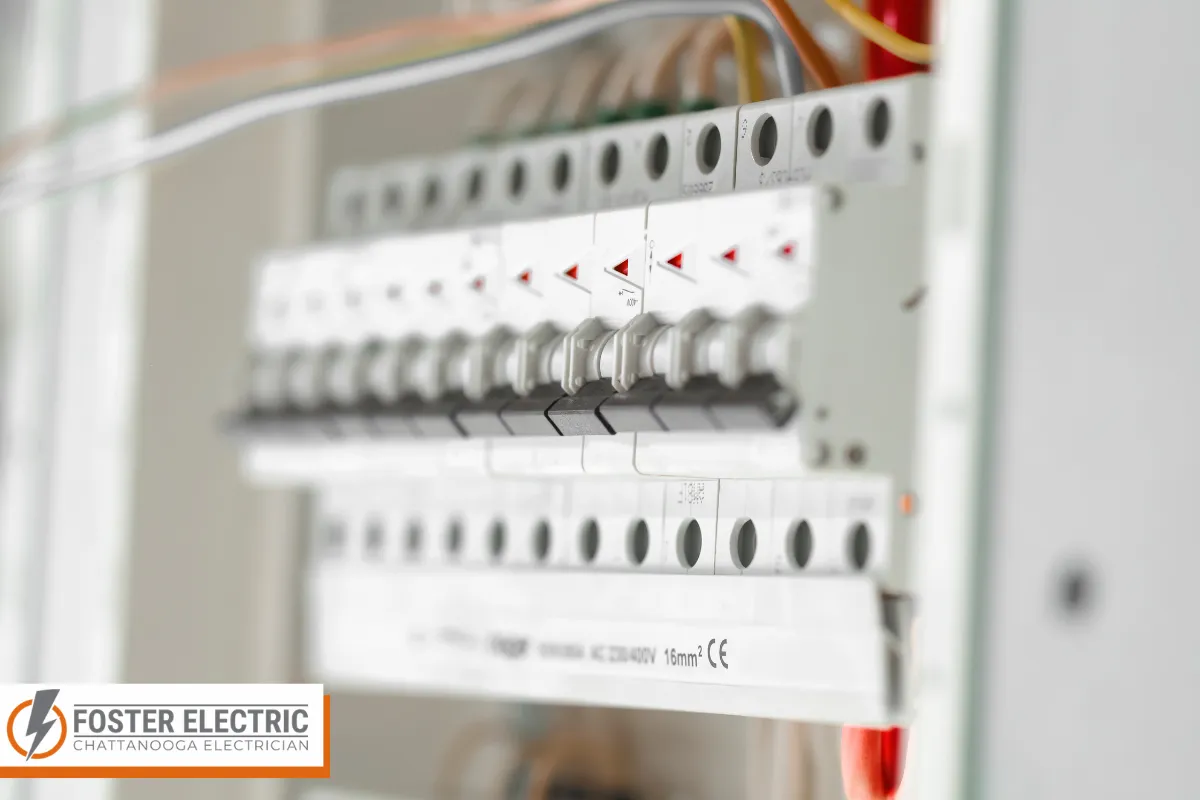
A thorough panel inspection starts before the cover comes off. Your electrician will ask about symptoms: when the flickering lights occur, which breakers trip, whether you have noticed burning odors, and what appliances or devices were running when problems appeared.
Once inside the panel, a licensed professional checks for:
- Proper panel labeling and breaker identification
- Breaker fit, seating, and torque at terminal connections
- Signs of rust, moisture, or water damage on bus bars, neutral bars, and enclosure walls
- Overheating at lugs, indicated by discoloration or deformed insulation
- Condition of neutral and grounding conductors and their connections
- Whether AFCI and GFCI protection is present where required
Many electricians use infrared imaging tools to detect hot spots invisible to the naked eye, along with voltage testing to check for imbalances across phases and proper voltage at the panel. Load calculations help determine whether the existing system can support the home’s current and planned devices safely.
Safety clearances around the panel, proper bonding per NEC Article 250, and correct conductor sizing are also evaluated. Regular inspections can prevent thousands in future damages. The result should be a clear, written set of findings with recommended repair options or upgrades tailored to the specific home.
Repair vs. Panel Upgrade: How Electricians Decide the Best Path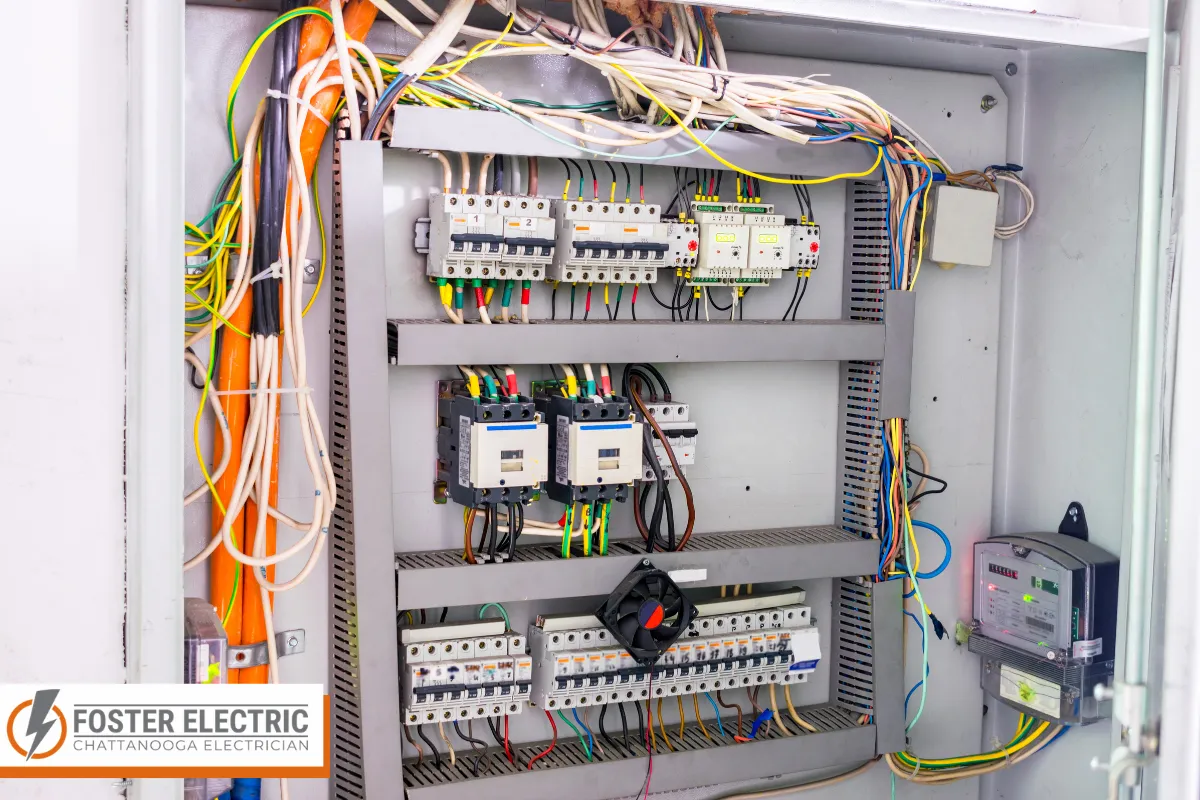
Not every electrical panel problem requires ripping out the entire box and starting over. A good electrician will present honest options based on what the inspection reveals.
Repair-level work may include:
- Replacing breakers that have failed or no longer reset properly
- Tightening connections and re-torquing lugs to manufacturer specifications
- Correcting mislabeled circuits for clear communication and safety
- Addressing a single area of corrosion or a minor loose connection
A full panel upgrade is recommended when the issues are systemic. Widespread corrosion, an obsolete design from a recalled brand, lack of capacity for current or planned loads, or repeated overheating all point toward replacement rather than patchwork. Outdated panels can lead to overheating and nuisance trips that no amount of individual breaker swaps will solve. Rust or corrosion on breakers indicates moisture intrusion which compromises safety across the entire enclosure.
Long-term plans also influence the decision. If you intend to add an EV charger, finish a basement, or install a larger HVAC system, investing in a modern panel now avoids paying twice for labor and permitting. Ask your electrician to explain the pros, cons, and price differences between targeted repairs and a full upgrade so you can make an informed choice.
Safety Steps You Can Take Before the Electrician Arrives
While you wait for a professional to arrive, there are a few safe steps you can take:
- Unplug nonessential devices from circuits that are tripping or behaving erratically
- Stop using any outlet or circuit that sparks, smells wrong, or feels hot at the wall plate
- Keep the area around the panel clear of storage, boxes, and debris so your electrician has safe access
- Do not remove the panel cover, loosen screws, or attempt any internal repairs
If you detect a strong burning smell, see visible smoke, or notice sparking at the panel, shut off the main breaker only if you can do so safely without opening the dead front cover. If there are flames, heavy smoke, or someone receives a shock, call emergency services immediately before contacting an electrician.
Documenting symptoms with notes or photos is genuinely helpful. Record when flickering lights occur, which breakers trip, and what appliances were running at the time. This information speeds diagnosis and helps your electrician zero in on the root cause without guesswork.
Planning an Electrical Panel Upgrade in East Ridge, TN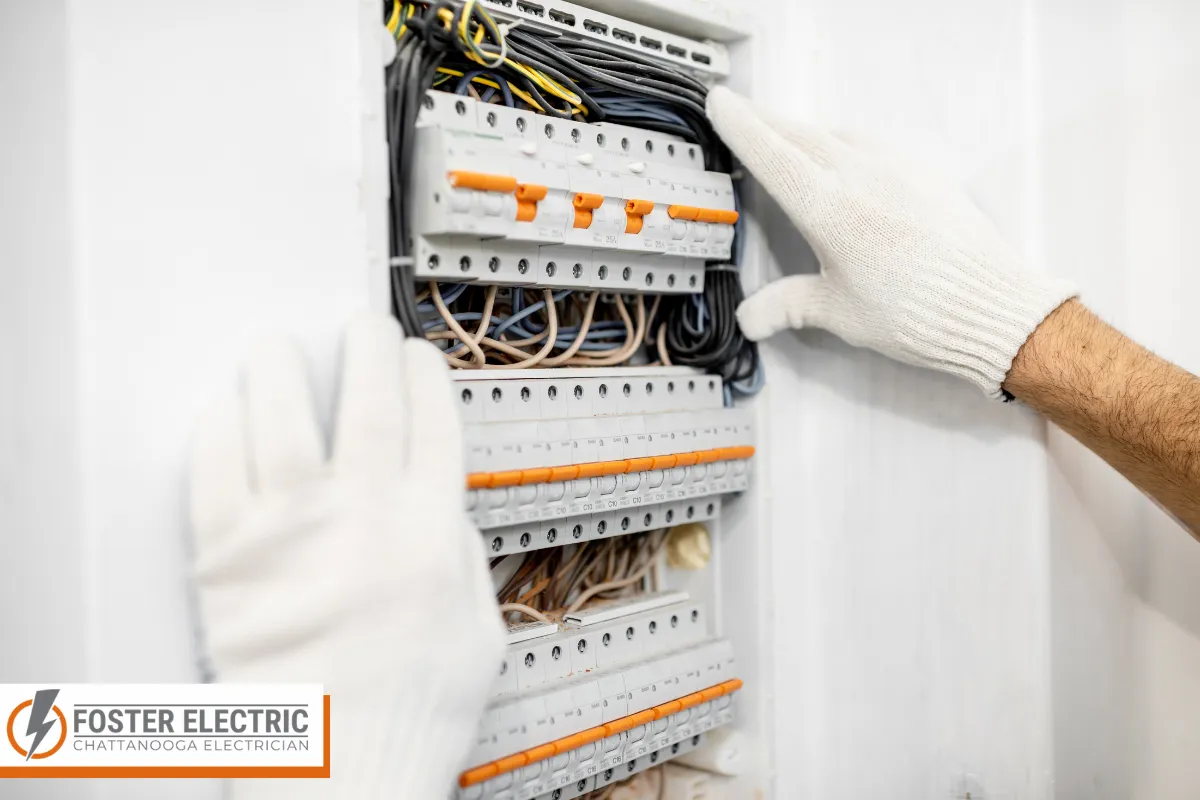
A typical panel upgrade project follows a structured sequence:
- Initial assessment and load calculation to determine the right service size
- Permit application through the local jurisdiction
- Utility coordination for safe disconnect and reconnect of the meter
- Installation of the new panel, meter base if needed, and service entrance conductors
- Final inspection by the authority having jurisdiction
Common upgrades move from 100-amp service to 200-amp service, which is the modern standard for homes with typical residential loads including HVAC, cooking appliances, and a dedicated EV charger circuit. The actual installation typically requires a short utility disconnect, usually a few hours, while the new panel and meter base are installed and connected.
To minimize future disruption, consider bundling related upgrades into the same project:
- Whole-home surge protection
- Additional dedicated circuits for a home office, workshop, or outdoor kitchen
- An EV charger circuit pre-wired and ready for your vehicle
All work should be performed by a licensed local electrician familiar with East Ridge inspection practices and the surrounding area. Electrical panels over 25 years old are often unsafe, and replacing them proactively is far less costly and stressful than responding to an emergency.
Long-Term Benefits of a Safe, Upgraded Electrical Panel
Upgrading your panel is not just a repair. It is an investment in safety, convenience, and future flexibility.
Safety benefits come first. A new panel dramatically reduces the risk of an electrical fire, eliminates overloaded circuits, and provides modern fault protection through AFCI and GFCI breakers where code requires them. Electrical panels failing poses risks of power outages and fire hazards, and a modern replacement addresses both.
Convenience gains are immediate. Fewer nuisance trips mean fewer interrupted dinners, crashed computers, and reset clocks. Your home gains the capacity to support renovations, modern electronics, and upgraded HVAC equipment without straining the system.
Modern panels enhance safety and increase home resale value. Buyers and inspectors notice a well-labeled, code-compliant panel. It signals that the property has been maintained responsibly and that the electrical systems are ready for whatever the next owner needs, whether that is a home theater, a workshop, or a second EV charger.
Neglecting panel safety can lead to life-threatening outcomes. Framing the upgrade as a long-term investment rather than a grudging expense puts the decision in the right perspective. You are protecting your family, your property, and your future plans all at once.
Electrician in East Ridge, TN – Foster Electric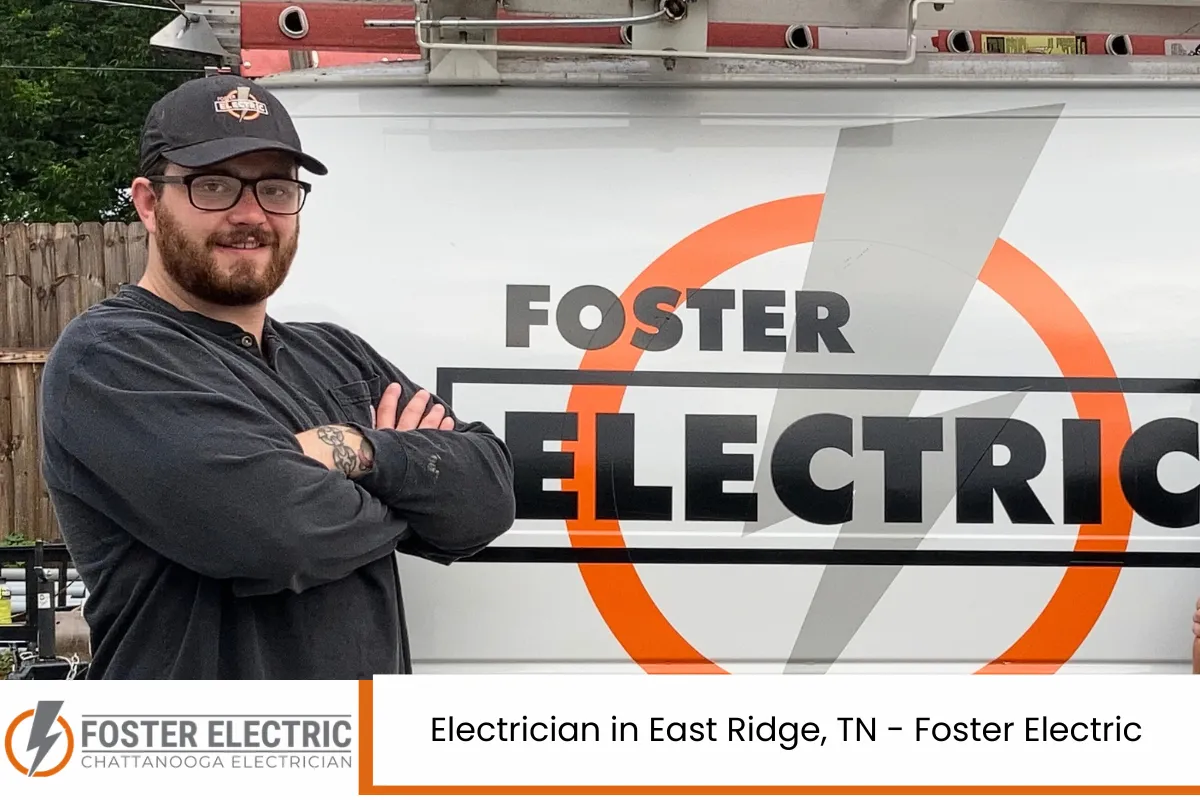
At Foster Electric, we are a locally based electrician in East Ridge, Tennessee, and we take electrical panel safety personally. Our team services the prominent surrounding areas with licensed, code-compliant electrical service that homeowners can count on. We specialize in diagnosing the warning signs covered in this article, from flickering lights and burning smells to dead outlets and buzzing panels, and we address them before they turn into emergencies.
Whether you need a thorough inspection, replacing breakers, or a full panel upgrade to support an EV charger or new HVAC system, we explain your options clearly, provide upfront pricing, and complete every job to current Tennessee electrical codes. Your safety and peace of mind are our business.
Call Foster Electric at (423) 826-7270 or fill out our contact form today to schedule your inspection or panel upgrade consultation. We are ready to help.
Frequently Asked Questions
How Often Should an Electrical Panel Be Professionally Inspected?
For most homes, a professional panel inspection every three to five years is a solid baseline. Homes with older panels, aluminum wiring, or systems over 25 years old benefit from more frequent checks, ideally every two to three years. You should also schedule an inspection after major renovations, a lightning strike or severe storm, or if you have experienced repeated breaker issues. A licensed electrician will look for wear, heat damage, evolving code requirements, and whether the panel still has adequate capacity for your household. Preventative inspections are far less expensive than the cost of repairing damage from an electrical fire or replacing a catastrophically failed panel and the wiring connected to it.
Can a Failing Electrical Panel Damage My Electronics and Appliances?
Yes. Poor connections and overloaded circuits inside the panel can cause voltage fluctuations, surges, and brownouts that stress sensitive electronics. Computers, televisions, gaming consoles, and smart home devices are particularly vulnerable to inconsistent voltage. Repeated power interruptions can also shorten the lifespan of larger appliances like HVAC compressors, refrigerators, and washing machines. When motors restart frequently after power dips, they draw high inrush current that accelerates mechanical wear. Whole-home surge protection, which is often installed during a panel upgrade, helps shield valuable devices from damaging spikes. If you notice frequent resets on electronics or unexplained equipment failures, having your panel evaluated is a worthwhile step.
Is It Safe to Replace a Breaker Myself if It Keeps Tripping?
Swapping a breaker is not a simple plug-and-play task, and it is unsafe for untrained homeowners. The interior of a live panel carries lethal voltage, and the risk of shock or arc flash is real even with the main breaker off if the service entrance conductors remain energized. Beyond the safety concern, a tripping breaker is a symptom that needs diagnosis. The actual problem may be outdated wiring, a short circuit in the wall, or a circuit carrying more load than it was designed for. Installing the wrong breaker type or amperage rating can create severe hazards and code violations. Always hire a licensed electrician for breaker replacement and circuit evaluation.
What Should I Ask an Electrician Before Agreeing to a Panel Upgrade?
Start with the basics: verify their Tennessee license, insurance coverage, and whether they handle permit applications and inspections. Then ask about the recommended service size for your home, whether the project includes surge protection and proper circuit labeling, and what brand of panel and breakers will be installed. Request details on the project timeline, how long power will be off during the switchover, and whether there are any potential additional costs such as meter base replacement or utility fees. A detailed, written estimate that separates materials and labor is standard practice. Choose an electrical contractor who prioritizes clear communication, walks you through each step, and stands behind the work with code compliance documentation.
Will a New Electrical Panel Lower My Energy Bill?
A modern panel itself does not directly reduce kilowatt-hour usage, so significant bill drops from the panel alone are unlikely. However, an upgraded panel can indirectly improve efficiency in a few ways. Better connections and properly balanced loads reduce wasted energy that older panels lose as heat at overloaded components and corroded terminations. More importantly, a new panel with adequate capacity allows you to safely run newer, more energy-efficient appliances and HVAC systems that older panels could not support. The primary value of a panel upgrade is safety and reliability, with smoother operation of your home’s devices and greater flexibility for future improvements as meaningful added benefits.
Disclaimer: This article provides general information only and is not a substitute for on-site evaluation or legal advice. All electrical work should be performed by a licensed professional in accordance with applicable East Ridge, Tennessee regulations and the current National Electrical Code.
Read What Causes Electrical Wires to Overheat? Insights from an Electrician in East Ridge, TN