
Power Bills Rising? Here’s How Smarter Electrical Choices Can Help
Residential Electrician in Chattanooga, TN services are often sought out when homeowners feel the pinch of rising energy bills, outdated systems, or rooms that never seem comfortable. The problem is not always how much electricity you use, but how efficiently your home uses it. Old wiring, inefficient lighting, and aging panels quietly waste power every day. Over time, this inefficiency strains your budget, stresses your electrical system, and can even create safety risks. The solution is targeted electrical improvements designed for modern energy demands. With the right upgrades performed by a qualified electrician, your home can run cleaner, safer, and far more efficiently without sacrificing comfort or convenience.
Why Electrical Efficiency Matters for Chattanooga Homes
Homes in Chattanooga face a mix of hot, humid summers and cooler winters. That seasonal swing puts heavy demand on HVAC systems, appliances, and lighting. When electrical components are outdated or improperly designed, they force systems to work harder than necessary.
Energy-efficient electrical design helps homeowners:
- Lower monthly utility costs
- Reduce strain on circuits and panels
- Improve indoor comfort and performance
- Extend the lifespan of appliances
- Support future upgrades like EV chargers or solar panels
A licensed electrical contractor understands how local housing styles, climate, and Tennessee electrical regulations intersect. These details matter when planning upgrades that actually deliver results.
The Role of a Residential Electrician in Energy-Saving Upgrades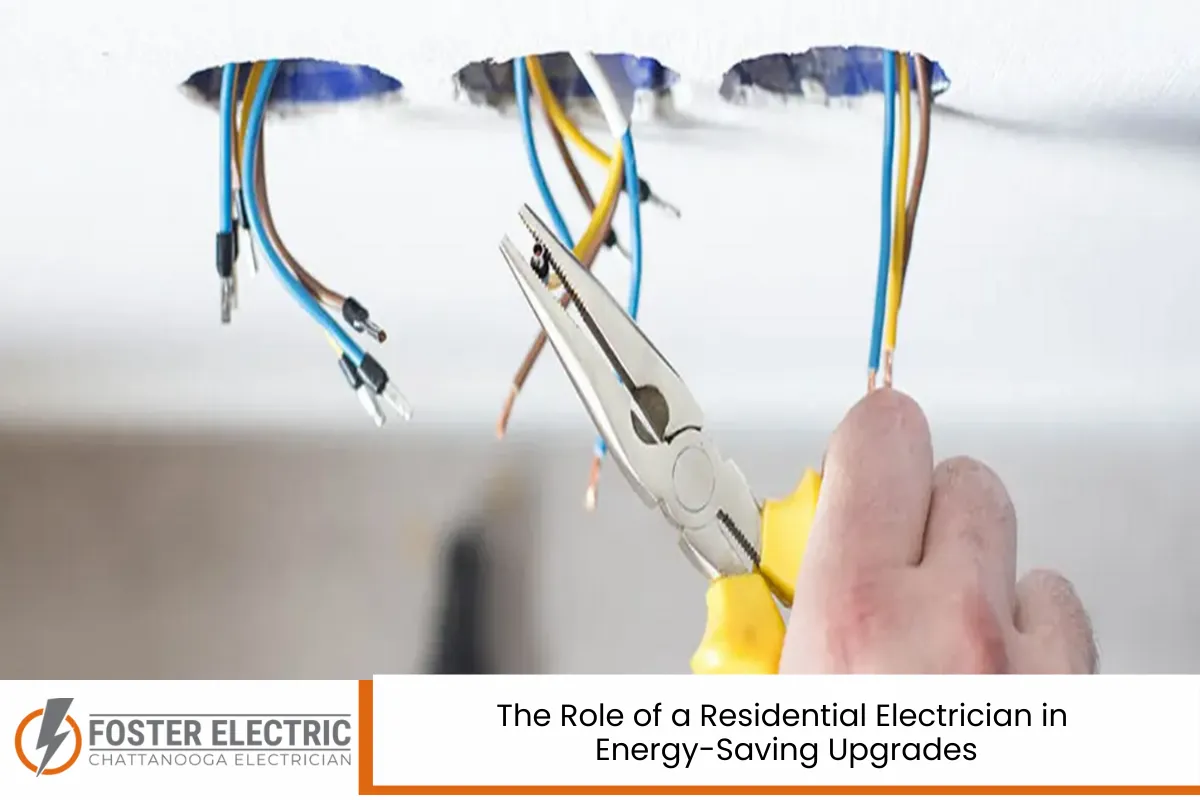
A residential electrician does more than fix outlets or replace fixtures. Energy efficiency starts with evaluating how electricity flows through your home and identifying where losses occur. A professional electrical service focuses on safety, compliance, and performance all at once.
Common responsibilities include:
- Inspecting wiring and load capacity
- Testing panels and breakers
- Identifying inefficient fixtures or devices
- Recommending code-compliant upgrades
- Ensuring all work aligns with local and state regulations
In Tennessee, residential electrical work must follow the National Electrical Code as adopted by the state and enforced by local authorities. Proper permitting and inspections are not optional, especially for panel upgrades or major system changes.
Lighting Upgrades That Reduce Energy Waste
Switching to LED Lighting
Lighting accounts for a noticeable portion of residential energy use. Traditional incandescent bulbs convert most of their energy into heat rather than light. LEDs, by contrast, use significantly less power and last much longer.
Benefits of LED lighting include:
- Lower wattage with equal or better brightness
- Reduced heat output
- Longer lifespan, often 10–20 years
- Compatibility with dimmers and smart controls
An electrician can also ensure fixtures are rated correctly and safely installed, which is especially important in kitchens, bathrooms, and outdoor areas.
Recessed and Task Lighting Design
Poor lighting layouts lead homeowners to over-light spaces. Strategic placement of recessed lighting, under-cabinet fixtures, and task lighting reduces the need for high-wattage overhead lights.
This approach improves:
- Energy efficiency
- Visual comfort
- Room functionality
- Overall home aesthetics
Smart Controls That Put You in Charge of Energy Use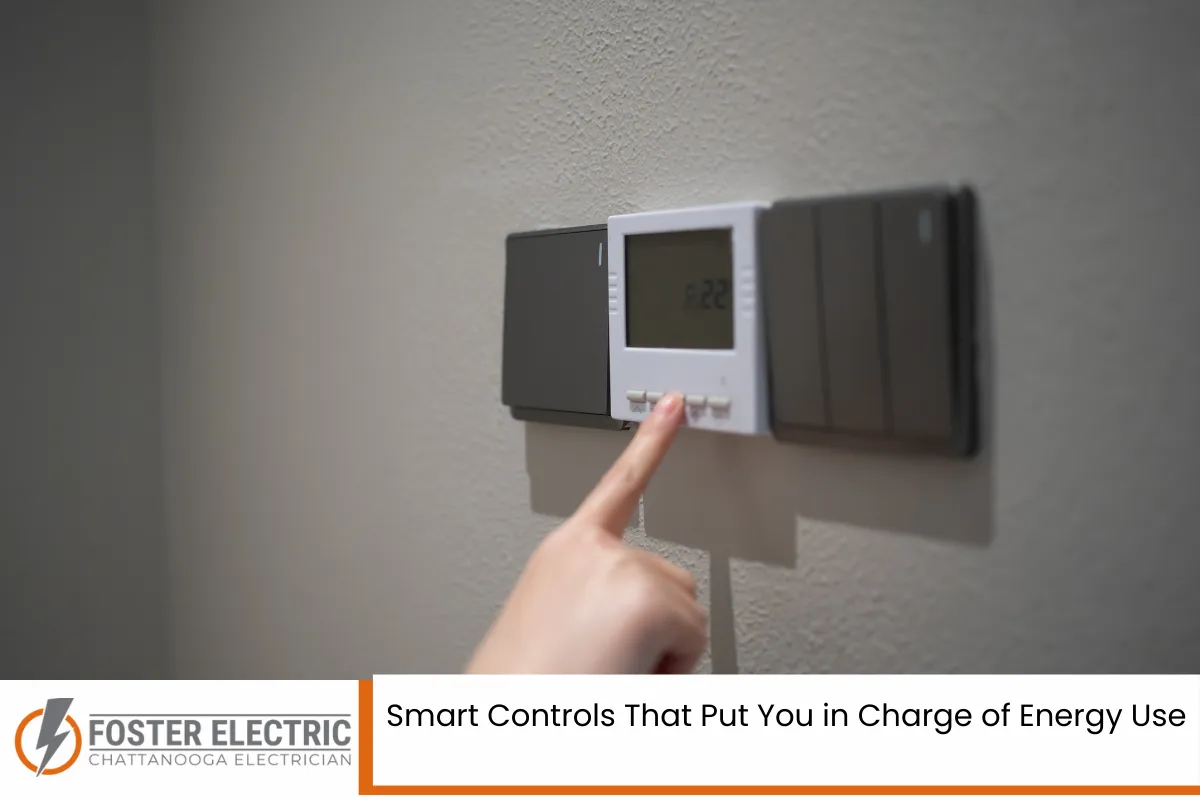
Smart Switches and Dimmers
Smart switches allow you to schedule lighting, adjust brightness, and control usage remotely. Dimmers reduce energy consumption by lowering output without sacrificing usability.
A licensed electrician ensures compatibility with your wiring and avoids common issues such as flickering or overload.
Occupancy and Vacancy Sensors
These devices automatically turn lights on or off based on room use. They are especially effective in:
- Bathrooms
- Laundry rooms
- Garages
- Hallways
By eliminating wasted runtime, sensors quietly cut energy use without daily effort from homeowners.
Electrical Panel Upgrades and Energy Efficiency
Why Older Panels Hold Homes Back
Many Chattanooga homes still rely on panels installed decades ago. These panels were not designed for modern energy demands, which include high-efficiency HVAC systems, smart appliances, and home offices.
Outdated panels can:
- Limit circuit availability
- Cause uneven power distribution
- Increase energy loss through resistance
- Create safety concerns
Modern Panels and Load Management
Upgrading to a modern panel allows for better load balancing and safer energy flow. While a new panel does not reduce usage on its own, it enables efficient systems to operate properly.
An experienced electrical contractor evaluates:
- Total household load
- Appliance demands
- Future expansion needs
- Code compliance requirements
Read Residential Electrician in Chattanooga, TN: Are LED Light Upgrades Worth the Cost?
Wiring Improvements That Prevent Energy Loss
Replacing Aging or Damaged Wiring
Old wiring materials can degrade over time, increasing resistance and wasting electricity as heat. In some cases, improper past repairs contribute to ongoing inefficiency.
Upgraded wiring:
- Improves electrical flow
- Reduces heat buildup
- Enhances system reliability
- Supports modern devices safely
Dedicated Circuits for High-Use Appliances
Appliances like refrigerators, HVAC systems, and laundry equipment perform best on dedicated circuits. Sharing circuits forces appliances to draw inconsistent power, reducing efficiency and lifespan.
A residential electrician ensures circuits are sized correctly and installed according to code.
Energy-Efficient Outlets and Receptacle Solutions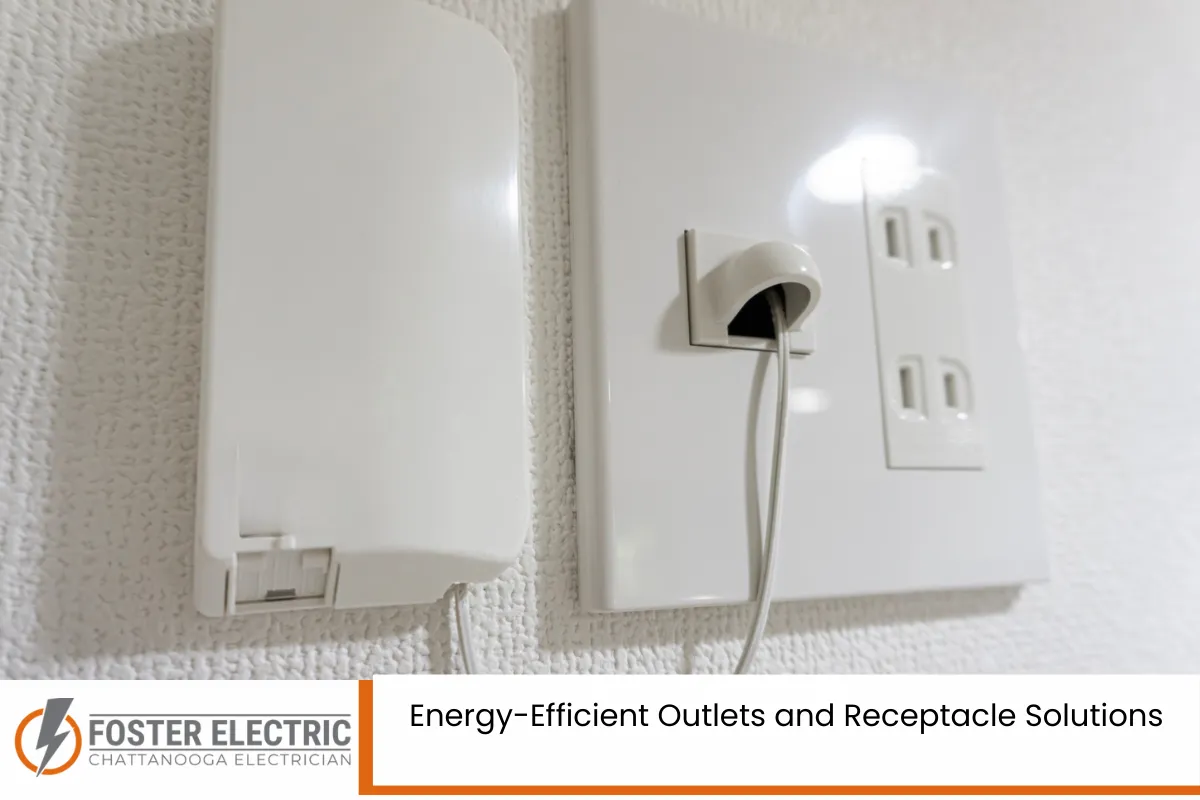
GFCI and AFCI Protection
While primarily safety features, modern GFCI and AFCI outlets contribute to efficiency by preventing power loss caused by faults and arcing. Tennessee building codes require these protections in specific areas, including kitchens, bathrooms, and bedrooms.
USB and Smart Receptacles
Upgrading outlets to include USB ports or smart features reduces the need for inefficient adapters and chargers that draw standby power even when not in use.
HVAC Electrical Improvements That Lower Utility Costs
Heating and cooling systems are among the largest energy consumers in any home. Electrical inefficiencies can undermine even high-efficiency HVAC equipment.
Electrical improvements may include:
- Properly sized disconnects
- Dedicated circuits
- Updated thermostats
- Improved grounding
An electrician coordinates with HVAC professionals to ensure systems receive stable, efficient power.
Surge Protection and Long-Term Efficiency
Whole-Home Surge Protection
Power surges damage electronics slowly over time, reducing efficiency before complete failure. Whole-home surge protectors safeguard appliances and systems at the panel level.
Benefits include:
- Extended equipment lifespan
- Reduced repair costs
- Improved electrical reliability
Protection as an Efficiency Strategy
When appliances operate without internal damage, they maintain optimal performance and energy use for longer periods.
Preparing Your Home for Future Energy Solutions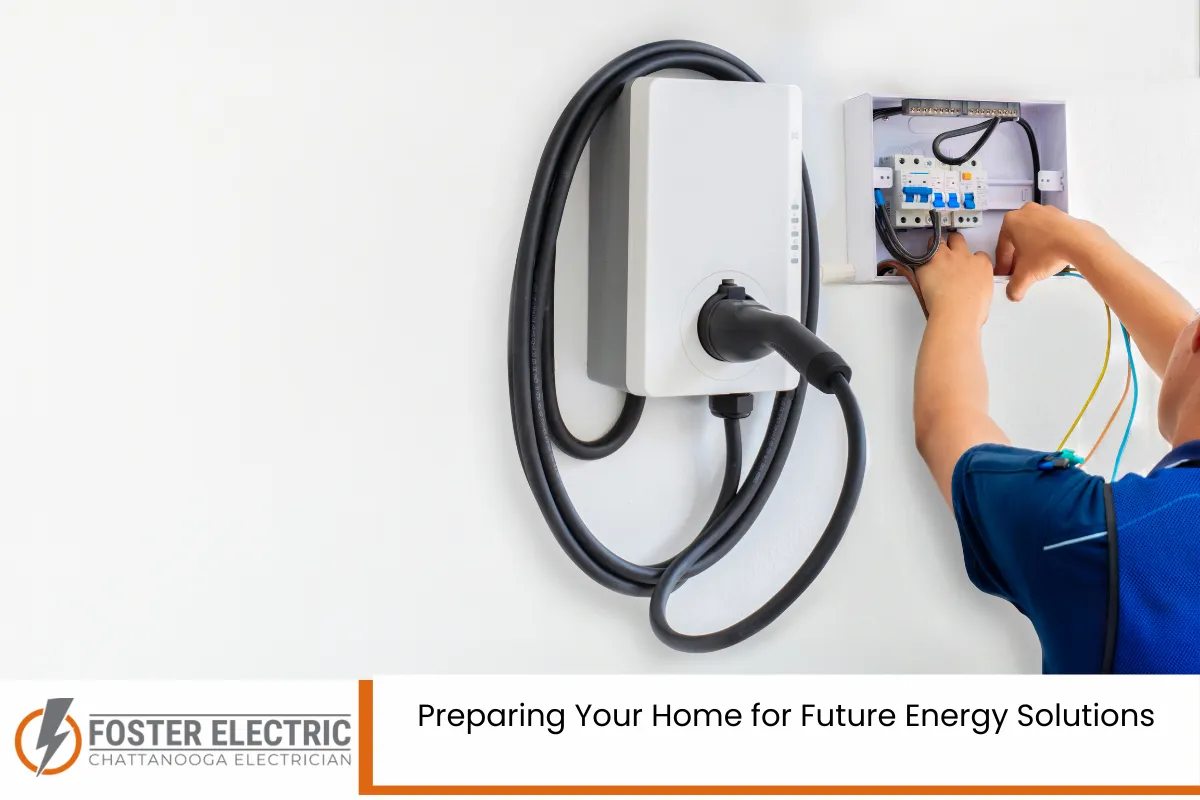
Electric Vehicle Charging Readiness
EV chargers require dedicated circuits and sufficient panel capacity. Installing proper infrastructure now prevents costly rework later and ensures efficient charging.
Solar and Backup Power Compatibility
Even if solar panels or generators are not immediate plans, an electrical service upgrade can prepare your home for future integration without major disruption.
Safety, Permits, and Local Electrical Standards
Residential electrical work in Chattanooga must comply with local permitting and inspection requirements. Skipping these steps can result in:
- Failed home inspections
- Insurance complications
- Safety hazards
- Costly corrections later
A licensed electrician handles permits, inspections, and compliance, protecting homeowners from unnecessary risk.
How Energy-Efficient Electrical Changes Add Home Value
Energy efficiency is increasingly important to buyers. Electrical upgrades signal:
- Lower operating costs
- Modern infrastructure
- Reduced maintenance concerns
- Improved safety
These improvements often deliver returns beyond monthly savings, especially in competitive real estate markets.
Making Smart Electrical Decisions That Pay Off
Energy efficiency is not about one single upgrade. It is the result of coordinated improvements guided by a knowledgeable residential electrician. When systems work together properly, homes use less power, experience fewer issues, and remain adaptable for future needs.
Residential Electrician in Chattanooga, TN – Foster Electric 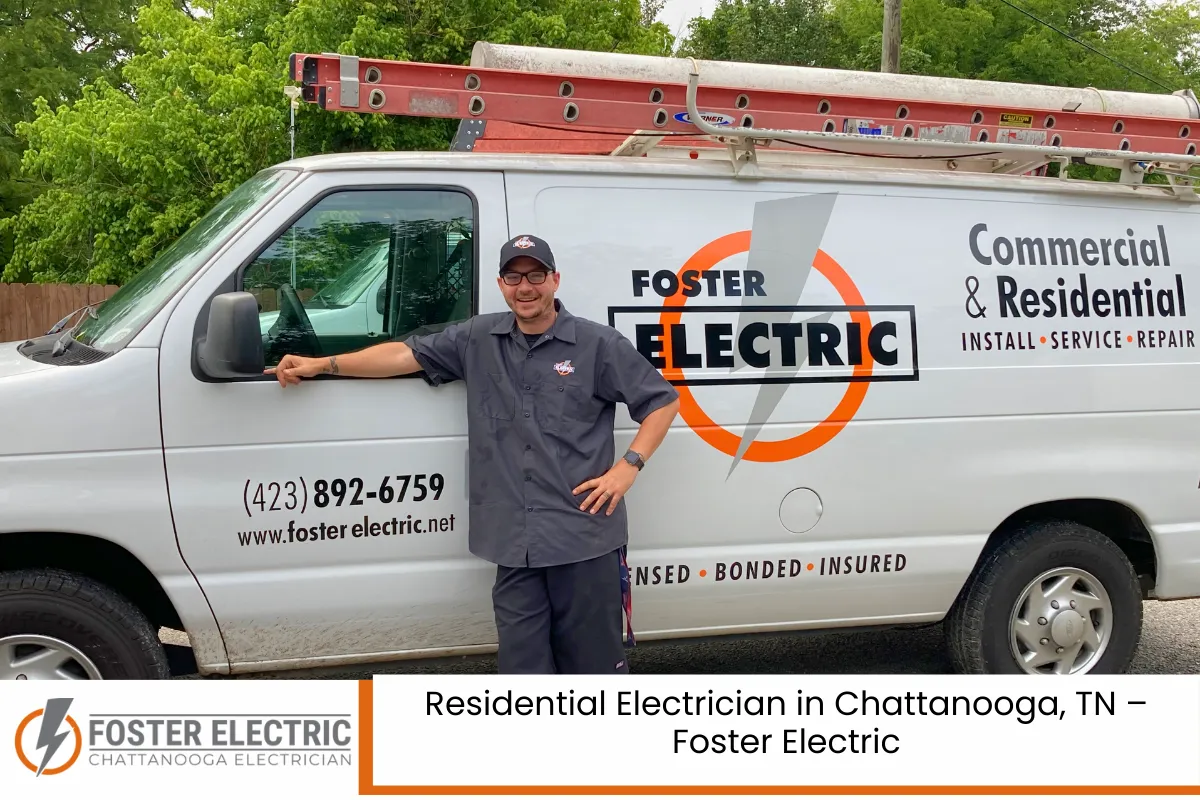
We are Foster Electric, and we take pride in helping homeowners make smarter electrical choices that truly pay off. As a trusted residential electrician in Chattanooga, Tennessee, we focus on safe, code-compliant upgrades that improve efficiency, comfort, and reliability. Our team handles everything from lighting upgrades and panel replacements to wiring improvements and smart home solutions. We understand local electrical requirements and design solutions that fit real homes, not just ideal scenarios. If you are ready to lower energy waste and upgrade with confidence, call us at (423) 892-6759 or fill out our contact form today. We proudly serve Chattanooga and the surrounding areas.
Frequently Asked Questions
How do I know if my home’s electrical system is inefficient?
Many signs point to inefficiency, including high energy bills, frequent breaker trips, warm outlets, flickering lights, or appliances that underperform. Older homes often lack the wiring capacity and layout needed for modern energy demands. A professional electrical evaluation identifies resistance issues, overloaded circuits, and outdated components that quietly waste power. This assessment allows an electrician to recommend upgrades that improve efficiency without unnecessary work.
Are electrical upgrades disruptive to daily life?
Most residential electrical upgrades are completed with minimal disruption. Lighting replacements, outlet upgrades, and smart control installations are typically finished in a single visit. Larger projects like panel upgrades or rewiring may take longer, but experienced electricians plan work carefully to maintain power where possible. Clear communication and proper scheduling help homeowners prepare without major inconvenience.
Can electrical upgrades really reduce monthly energy bills?
Yes, when upgrades address real inefficiencies. LED lighting, smart controls, improved wiring, and properly sized circuits reduce wasted energy. While results vary by home, many homeowners notice lower utility costs within the first few billing cycles. Long-term savings increase as appliances and systems operate more efficiently and last longer.
Is it safe to do electrical upgrades myself?
Most energy-related electrical upgrades require a licensed electrician. Tennessee law and local codes restrict who can perform residential electrical work, especially when it involves panels, wiring, or permits. DIY work can create safety hazards, code violations, and insurance issues. Hiring a qualified electrical contractor protects your home and ensures work is done correctly.
How often should electrical systems be evaluated for efficiency?
Homes should have their electrical systems evaluated every 5–10 years, or sooner if major appliances are added. Renovations, increased energy bills, or aging components are also good reasons for an inspection. Regular evaluations help catch inefficiencies early and allow upgrades to be planned strategically rather than reactively.
Disclaimer: This article is for general informational purposes only and does not replace professional electrical evaluation or advice. Electrical work should always be performed by a licensed electrician in compliance with local and state regulations.
Read Chattanooga Electrician: What Electrical Work Requires a Permit?