
Electricity is a huge part of our lives. It powers our lights, our phones, and even our refrigerators. But what happens when your home’s electrical system gets old? That’s when you need a licensed electrician to step in. Diagnosing outdated electrical systems keeps your home safe, prevents fires, and ensures your devices work properly. Let’s look at how electricians do it and what you can expect during the process!
Why Diagnosing Outdated Electrical Systems Matters
An outdated electrical system isn’t just inconvenient — it can be dangerous. Older wiring or panels may not handle today’s modern electrical loads from big TVs, computers, and kitchen gadgets.
If your system isn’t up to current safety standards, you could face:
- Electrical fires from worn-out wires.
- Power surges that damage appliances.
- Trouble getting home insurance because of code compliance issues.
Having an electrician diagnose problems early helps keep your home efficient, safe, and up to date.
Top Signs Your Electrical System Might Be Outdated
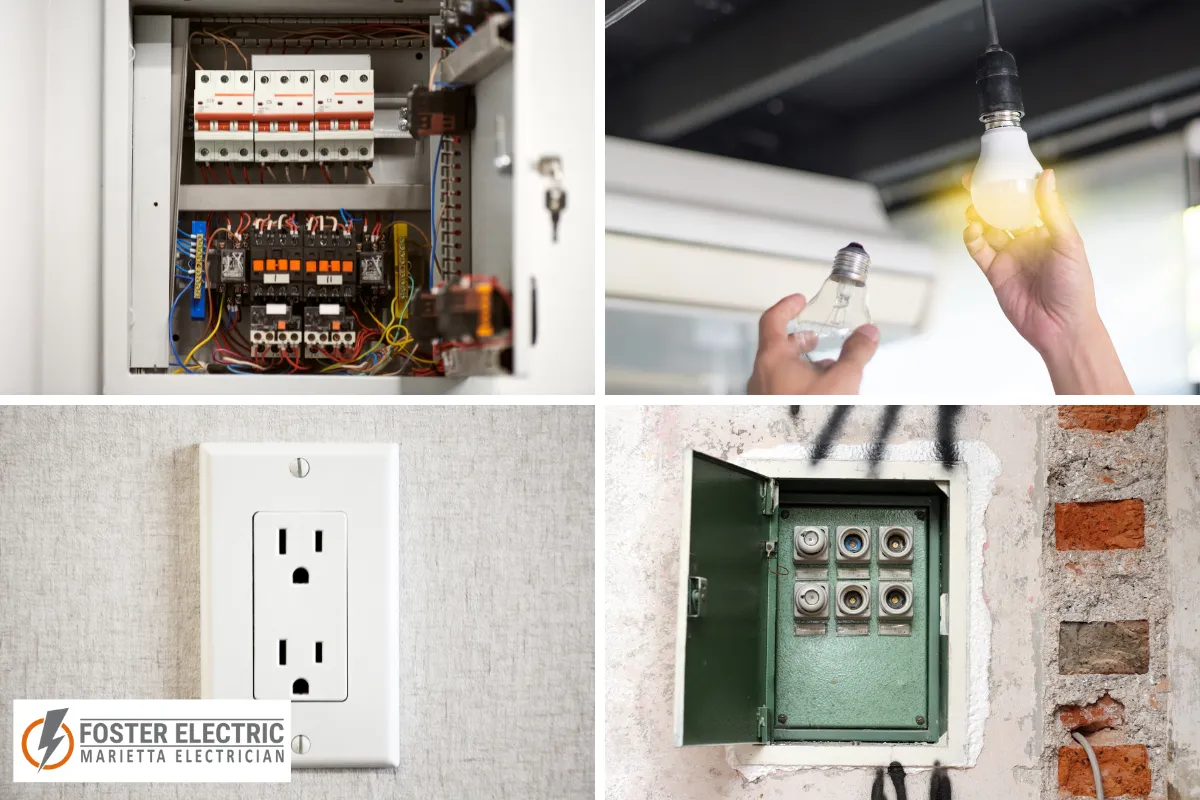
Before calling an electrician, you might notice some telltale signs that something isn’t right:
1. Frequent Breaker Trips and Power Surges
If your breaker box trips often, your system may be too weak to handle all your devices. Service panels in older homes weren’t built for today’s demands.
2. Flickering or Buzzing Lights
Lights that flicker, buzz, or dim could mean faulty connections or damaged electrical circuits behind your walls.
3. Discolored Outlets, Hot Outlets, or Burning Smells
Outlets or switches that feel hot or look burned are serious warnings. They often point to frayed wiring or faulty outlet connections.
4. Two-Prong Outlets (Ungrounded)
If your home still has two-prong outlets, it means there’s no ground protection. This creates a safety risk for you and your electronics.
5. Use of Extension Cords Everywhere
Needing lots of power strips and extension cords signals a shortage of proper outlets. A system upgrade with additional outlets may be needed.
6. Old Electrical Panel or Fuse Box
If you still have fuses or a panel older than 30 years, it might lack important protections like Ground Fault Circuit Interrupters (GFCIs) and Arc Fault Circuit Interrupters (AFCIs).
How an Electrician Diagnoses Outdated Electrical Systems
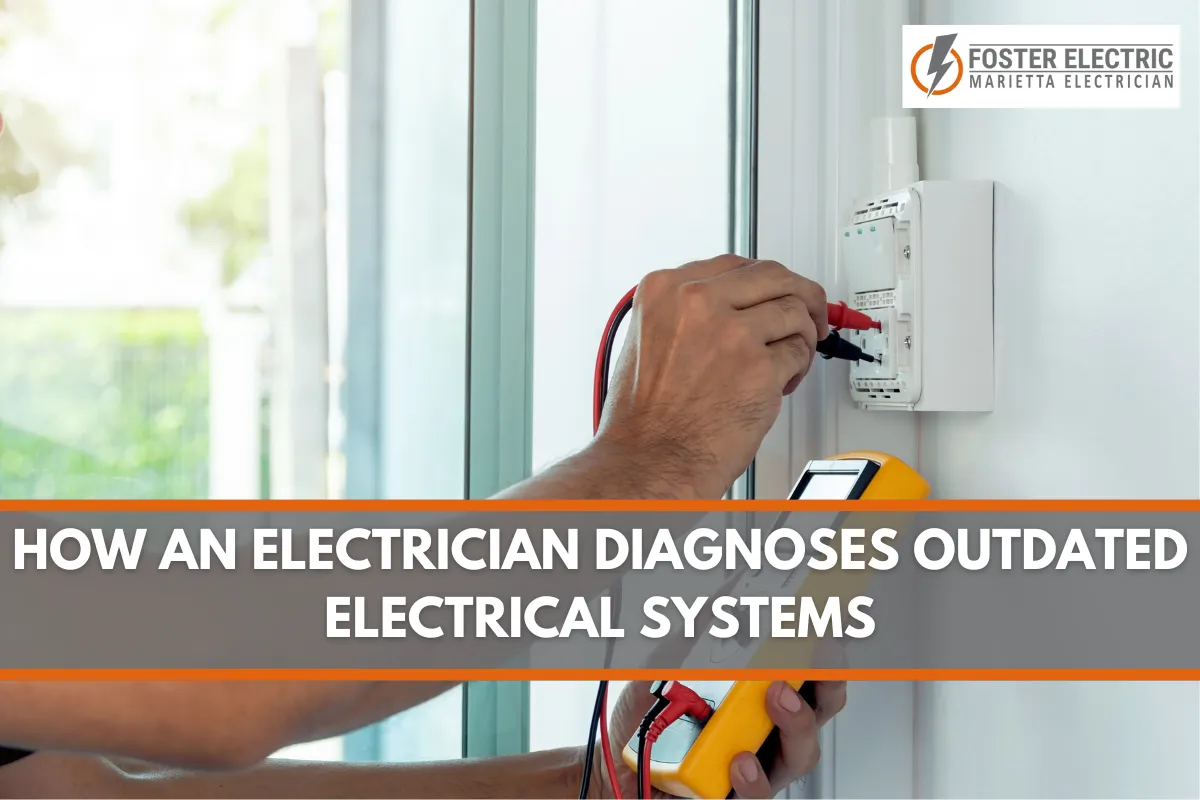
When an electrician visits your home, they don’t just guess what’s wrong. They follow a careful process using professional tools and electrical troubleshooting skills:
Step 1: Initial Visual Inspection
The electrician checks:
- Light fixtures, outlets, and service panels.
- Signs of chaotic wiring, burns, loose connections, or faulty appliances.
- Condition of wiring insulation for cracks or discoloration.
Step 2: Testing the System
Using tools like multimeters, voltage testers, and circuit analyzers, they:
- Measure voltage levels.
- Detect ground faults.
- Identify dead or weak circuits.
Step 3: Electrical Panel Evaluation
The electrical panel is inspected for:
- Overloading.
- Missing breakers.
- Corroded parts.
- Lack of necessary safety features for current safety standards.
Step 4: Wiring Assessment
Electricians check if you have outdated wiring like knob-and-tube or aluminum.
They look for:
- Frayed insulation.
- Loose wire connections.
- Signs of improper splicing or no grounding.
Step 5: Load and Usage Analysis
They assess whether your home’s system can support:
- Major appliances like HVACs and EV chargers.
- Energy-efficient upgrades like LED lighting and smart home gadgets.
This full check helps spot potential safety hazards early.
What to Expect During the Inspection Appointment
When a licensed professional comes to your home, here’s what usually happens:
- The inspection takes about 1 to 3 hours, depending on your home’s size and wiring.
- Electricians need access to the breaker box, outlets, basements, attics, and service panels.
- They’ll carefully explain any issues they find and answer your questions.
You’ll get a full electrical home safety inspection report after they’re done. This checklist includes all problem areas and recommendations for fixes or upgrades.
Common Solutions After a Diagnosis
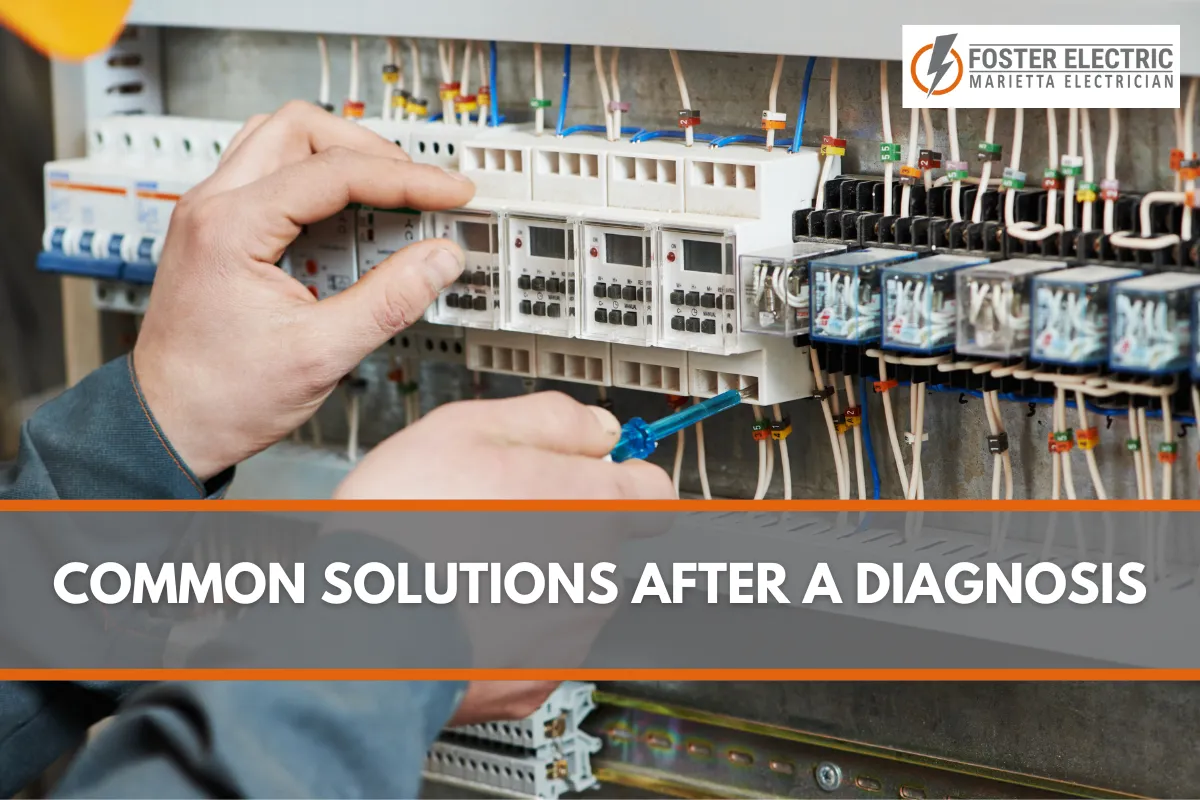
Depending on what they find, an electrician might suggest:
- Electrical panel upgrades to a newer, safer breaker box.
- Wiring system upgrades to replace outdated wiring.
- Adding dedicated circuits for major appliances.
- Replacing unsafe outdoor outlets and upgrading to modern GFCI protection.
- Improving grounding systems for better safety.
These updates aren’t just about convenience — they’re about preventing house fires and protecting your family.
How Diagnosing Early Prevents Bigger Problems
Catching electrical issues early is one of the smartest things you can do.
It helps:
- Stop electrical fires before they start.
- Protect your electronics from damage caused by power surges.
- Avoid costly damage to your home’s structure or appliances.
- Reduce your energy consumption and lower your utility bills.
Plus, early repairs save you money compared to emergency electric repair work after something major fails!
Trust a Professional for a Thorough Electrical Diagnosis
When it comes to diagnosing outdated electrical systems, you need a reputable electrician — not DIY fixes.
Reliable electricians:
- Follow all building codes and electrical inspection code compliance.
- Understand the risks hidden inside your walls.
- Use specialized equipment safely and correctly.
- Make sure your home meets minimum safety standards for peace of mind.
Whether you’re worried about faulty outlets, buzzing lights, or just want a routine electrical safety check, a licensed professional can help you make smart decisions that keep your family safe and your home running smoothly.
Chattanooga, TN Electrician – Foster Electric
If you suspect your home has outdated wiring, frequent circuit breaker trips, or any other electrical issues, trust Foster Electric – Chattanooga Electrician for a thorough and professional diagnosis. Our team of qualified electricians specializes in detecting potential hazards, upgrading breaker panels, repairing faulty wiring, and ensuring your system meets current safety standards.
At Foster Electric, we believe every home deserves safe, reliable power. Whether you’re experiencing persistent issues, planning to install modern appliances, or simply need a routine electrical safety inspection, we have the skills, tools, and experience to get the job done right. Our experts use advanced diagnostic tools to identify problems quickly and recommend smart, cost-effective solutions.
Don’t wait for small problems to become major repairs. Call Foster Electric today at (423) 826-7270 for trusted electrical services in Chattanooga and the surrounding areas!
Frequently Asked Questions About Electrical Diagnosis and Upgrades
What does electrical diagnosis involve?
An electrical diagnosis is a complete detailed diagnosis of your home’s electrical infrastructure. Professional electricians perform an initial inspection where they check electrical outlets, breaker panels, lighting fixtures, and wiring for damage.
They look for:
- Faulty wiring, loose bulbs, and non-functional outlets.
- Signs of wear on electrical wires, such as frayed wires or inadequate grounding.
- Outdated components like aluminum wiring or ungrounded outlets.
During the diagnostic process, electricians use specialized tools like multimeters and circuit tracers to detect circuit performance problems, such as circuit overloads or electrical surges.
They also check for improper installations that might create a potential fire hazard or lead to power outages.
A professional inspection ensures every electrical connection follows current codes and identifies both minor issues and potential hazards before they cause extensive damage.
How do I know if my electrical is outdated?
Recognizing outdated electrical systems involves watching for common issues like:
- Frequent circuit breakers tripping.
- Dimming lights or buzzing sounds from light switches.
- Using lots of extension cords due to a lack of electrical outlets.
- Dead outlets, persistent issues, or non-functional outlets.
- Aluminum wires instead of copper, common in older homes.
Other signs of damage include burnt smells from outlets, frayed wiring, and the presence of two-prong outlets without proper grounding.
Outdated systems often can’t support modern appliances, leading to circuit overloads and energy inefficiency.
If your system hasn’t been inspected in over a decade or if you experience electrical shocks when touching appliances, it’s time for a professional inspection by a qualified electrician to evaluate your power supply and recommend any necessary electrical upgrades.
How long does an electrical diagnosis take?
An electrical diagnosis typically takes between 1 to 3 hours, depending on the size of your home, the number of electrical fixtures, and the complexity of the electrical wiring repairs needed.
During this time, experienced electricians:
- Perform basic troubleshooting on outlets, switches, and panels.
- Check the electrical current across circuits.
- Inspect internal components like your breaker panel for signs of wear or faulty grounding.
Larger homes with extensive wiring or outdoor spaces like patios and detached garages may require a longer repair process.
If persistent issues or potential fire hazards are detected, additional time may be needed for a full diagnostic process.
A thorough diagnosis ensures an accurate diagnosis and allows the creation of effective repairs strategies, avoiding expensive repairs later.
How much does an electrician diagnosis cost?
The average cost for a professional electrical diagnosis ranges from $150 to $400, depending on:
- The home’s square footage.
- The complexity of the electrical infrastructure.
- Accessibility to electrical panels and circuit boxes.
This price typically includes a complete diagnostic process, initial repairs on small issues, and a full report of detected electrical hazards.
If major problems like faulty wiring or breaker panel damage are found, further electrical services or extensive upgrades might cost extra.
Hiring a professional electrician ensures you meet electrical codes, catch potential hazards early, and avoid costly repairs caused by extensive damage or overlooked electrical faults.
Always choose a reputable electrician to ensure you get an accurate diagnosis with a clear explanation of all repair issues and repair strategies.
When should I consider upgrading my electrical system?
You should consider an electrical system upgrade if you experience:
- Frequent circuit breaker trips or complete power loss.
- Installing energy-efficient appliances or other modern appliances that need more power.
- Adding new outdoor spaces with lighting or outlets.
- Experiencing electrical surges or dimmer switches malfunctioning.
Homes over 30 years old may have outdated components like aluminum wiring, inadequate power supply, and faulty grounding that no longer meet current codes.
Upgrading improves electrical current flow, prevents power outage risks, and adds the capacity needed for today’s power requirements.
Always get a professional inspection from a qualified electrician to determine if your home needs a breaker panel replacement, wiring upgrades, or additional circuits to prevent potential issues and ensure proper installation for safety.
How do I know if my electrical system can handle additional appliances or electronics?
Before adding new electrical appliances or modern appliances like EV chargers, HVAC units, or upgraded kitchen equipment, it’s important to ensure your system can handle the extra load.
Telltale signs your system might struggle include:
- Frequent circuit breaker trips.
- Lights dimming when appliances turn on.
- Warm electrical outlets or light switches.
- Buzzing sounds from the breaker panel.
An electrician for repair and inspection will assess your current circuit capacity and power supply using specialized tools like a circuit tracer.
They’ll determine whether your system needs additional circuits, a breaker panel upgrade, or wiring upgrades to safely support new devices.
Professional electricians can calculate your home’s power requirement based on energy-efficient appliances and advise you on proper installation to prevent circuit overloads, electrical faults, and safety hazards.
Can I upgrade my electrical system myself?
Upgrading your electrical system is not a safe DIY project.
DIY repairs may seem appealing but working with electrical wiring, breaker panels, and electrical connections requires:
- Extensive knowledge of current codes and safety precautions.
- Use of specialized tools like voltage meters and insulation testers.
- Proper handling of dangerous tasks to avoid electric shock or property damage.
Without proper knowledge, you risk improper installation, code violations, and creating a potential fire hazard.
Only a qualified electrician should perform major electrical installations or upgrades because they know how to manage electrical faults, install proper grounding, and ensure every step follows electrical codes.
Insulated gloves and other safety gear are essential for safe work, but even those are not enough without training.
Always hire a licensed professional for upgrades to guarantee safe, effective repairs and protect your home.
Will upgrading my electrical system increase the value of my home?
Yes, upgrading your electrical system often increases your home’s value!
Modern buyers want homes with:
- Safe, updated electrical wiring that supports energy-efficient appliances.
- Sufficient electrical outlets and smart home-ready systems.
- Properly installed breaker panels and grounded circuits.
A home with outdated components like aluminum wiring or a small breaker box can deter buyers due to potential hazards and expensive repairs.
An upgraded system ensures code compliance, boosts your home’s energy efficiency, and reduces future owners’ worries about electrical maintenance.
A professional inspection and documented upgrades also show your commitment to safety, reducing the risk of electrical surges and extensive damage.
Whether you plan to sell soon or stay for years, an electrical system upgrade is a smart investment that protects your property and enhances its appeal.
What Do Electricians Fix?
Professional electricians fix a wide range of problems to keep homes and businesses safe.
They handle:
- Faulty wiring and loose electrical connections.
- Dead outlets, non-functional outlets, and light fixture malfunctions.
- Breaker panel replacements and repairs.
- Correcting faulty grounding and inadequate grounding.
- Repairing damage from electrical surges or persistent issues.
They also upgrade systems by installing:
- New electrical fixtures.
- Safe, energy-efficient lighting fixtures and dimmer switches.
- Properly grounded outdoor outlets for patios or gardens.
Through basic troubleshooting, careful repair strategies, and prompt repairs, electricians address both minor issues and major potential hazards.
Choosing a reliable electrician ensures effective repairs that meet current safety standards and prevent future costly repairs.
Why Hire a Professional Electrician?
Hiring a professional electrician is essential for any electrical work, big or small.
Here’s why:
- Safety First: They know how to handle electrical currents, preventing electric shocks and fire hazards.
- Accurate Diagnosis: They use specialized tools for an accurate diagnosis and thorough inspection.
- Code Compliance: All repairs and installations meet current electrical codes and building regulations.
- Proper Installation: Whether fixing a dead outlet or upgrading your breaker panel, electricians ensure proper installation every time.
- Prevent Property Damage: Avoid extensive damage and costly repairs by trusting an expert.
- Experience with Modern Systems: Experienced electricians handle modern appliances, energy-efficient appliances, and smart technologies.
From wiring for signs of wear to ensuring safe electrical installations, a professional brings peace of mind, expert advice, and guaranteed safe results for your home or business.
Read More: Top Signs You Need an Electrician to Inspect Your Electrical System