
Why Electrical Safety Matters More Than Ever in Modern Homes
Electrician in East Ridge, TN is a phrase many homeowners search for when something goes wrong—but what if the issue starts small and seems easy to fix yourself? That’s where risk begins. A loose outlet, flickering lights, or a tripped breaker might look harmless, yet electrical mistakes can lead to fire hazards, code violations, or serious injury. Many homeowners feel confident tackling basic electrical service tasks, but without proper knowledge, a quick fix can become an expensive emergency. The good news is that some electrical jobs are safe to handle if you follow proper precautions. Knowing where to draw the line—and when to call a licensed electrical contractor—can protect your home, your family, and your investment.
Understanding Home Electrical Systems Before Doing Any Work
Before attempting any electrical task, it’s important to understand how your home’s electrical system works. Even basic jobs involve components that carry current and can cause harm if mishandled.
A standard residential system includes:
- Electrical panel (breaker box)
- Circuit breakers or fuses
- Wiring systems (Romex, conduit, etc.)
- Outlets and switches
- Grounding systems
In Tennessee, electrical work must comply with the National Electrical Code (NEC) as adopted by the state. Local jurisdictions like East Ridge may also enforce additional building codes and permit requirements. This means even small projects may need inspection depending on scope.
Homeowners are generally allowed to perform minor electrical service tasks on their own property, but anything involving new wiring, panel upgrades, or structural changes often requires a licensed electrician or electrical contractor.
Safe Electrical Tasks Homeowners Can Handle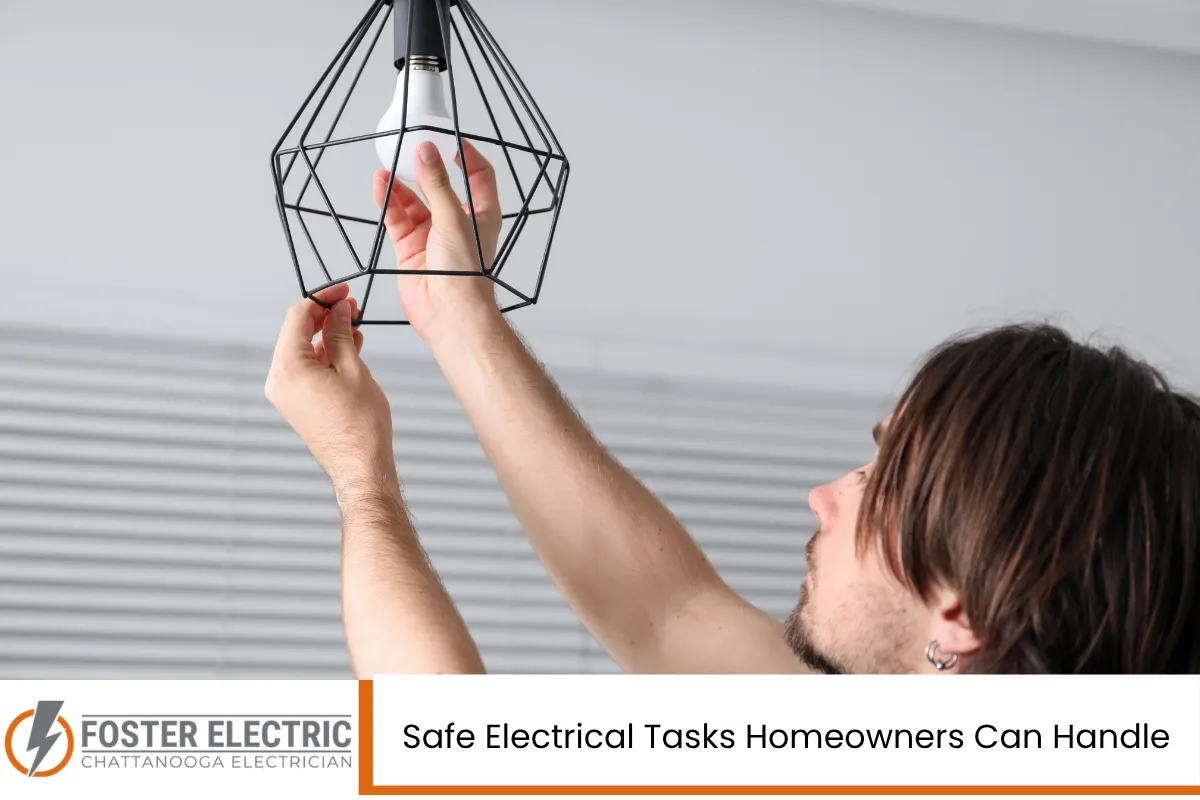
Replacing Light Bulbs and Fixtures
This is one of the simplest and safest electrical tasks. However, safety still matters.
Tips to follow:
- Turn off the light switch before replacing bulbs
- Use the correct wattage for fixtures
- Allow bulbs to cool before touching
Replacing a light fixture is usually safe if:
- The wiring is already in place
- You are not modifying circuits
- You shut off power at the breaker
If you see damaged wires or unfamiliar connections, stop and call an electrician.
Resetting Circuit Breakers
A tripped breaker is common and easy to fix.
Steps:
- Locate your electrical panel
- Identify the tripped breaker (usually in the middle position)
- Flip it fully off, then back on
Frequent breaker trips may signal a deeper issue such as overload, faulty wiring, or a short circuit. In such cases, professional electrical service is necessary.
Replacing Outlet Covers and Switch Plates
This is a cosmetic task that carries minimal risk when done correctly.
- No wiring is involved
- Simply unscrew and replace covers
- Avoid touching internal components
This small update can improve safety and appearance, especially if covers are cracked or loose.
Installing Battery-Powered Devices
Devices like:
- Smoke detectors
- Carbon monoxide detectors
- Wireless doorbells
These are safe for homeowners because they don’t connect directly to your electrical system. However, hardwired smoke detectors should be installed by a licensed electrician to meet code requirements.
Electrical Tasks That Require Extra Caution
Replacing Outlets or Light Switches
While many homeowners attempt this, it requires understanding wiring connections.
Important precautions:
- Turn off power at the breaker
- Use a voltage tester to confirm no current
- Match wire placement exactly
Mistakes can lead to:
- Electrical shock
- Short circuits
- Fire hazards
If you’re unsure about wiring configurations, contact an electrical contractor.
Installing Ceiling Fans
This task is manageable but slightly more advanced.
Challenges include:
- Securing proper mounting support
- Handling multiple wires
- Balancing the fan
Improper installation can lead to:
- Loose fixtures
- Electrical faults
- Structural damage
If your ceiling box isn’t rated for a fan, professional help is required.
Replacing Light Fixtures with Different Designs
Switching from a simple fixture to a chandelier or recessed lighting involves:
- Load considerations
- Mounting adjustments
- Possible wiring changes
Even if it looks simple, this type of electrical service can become complex quickly.
Read Why Should I Hire an Electrician in East Ridge, TN Instead of Doing It Myself?
Electrical Work Homeowners Should Never Attempt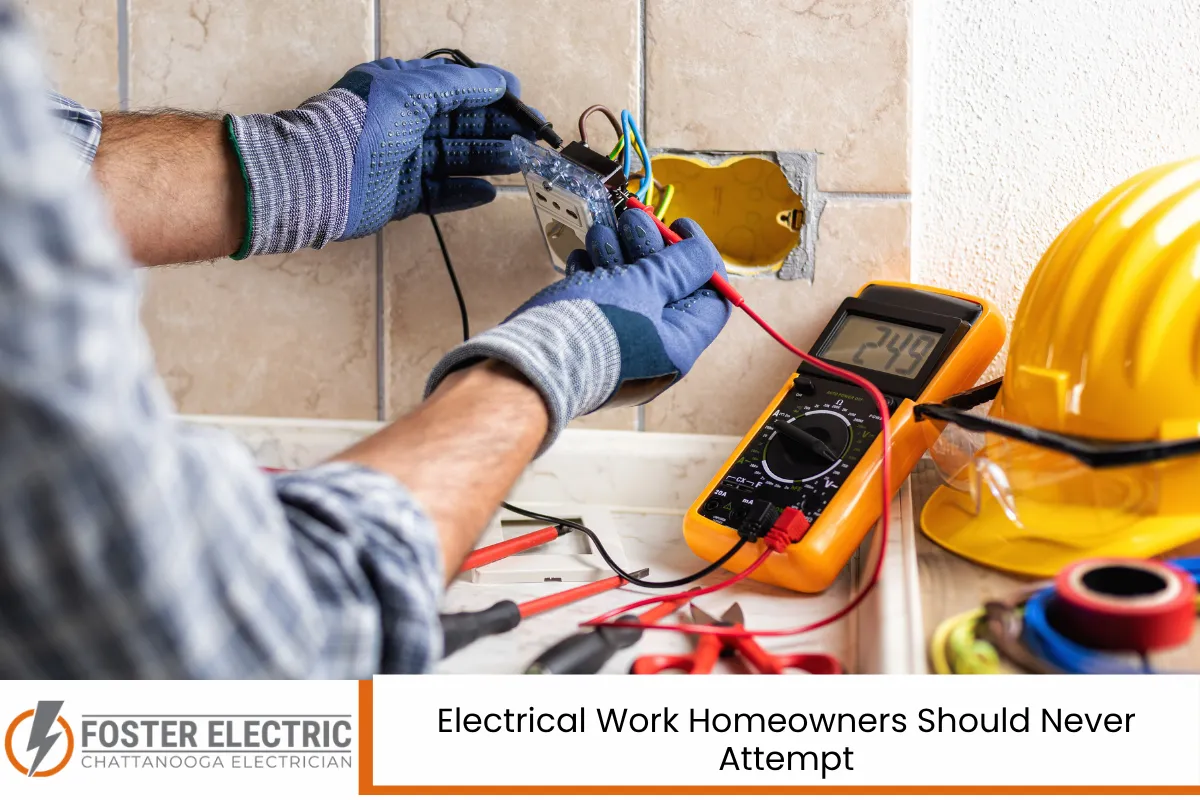
Panel Upgrades or Repairs
Your electrical panel is the heart of your home’s system. Working inside it exposes you to live power even when breakers are off.
Risks include:
- Severe electric shock
- Arc flashes
- Fire hazards
Only a licensed electrician should perform panel upgrades or repairs in East Ridge, TN.
Running New Wiring
Adding new circuits or wiring requires:
- Knowledge of electrical load calculations
- Compliance with NEC codes
- Proper permits and inspections
Incorrect wiring can:
- Fail inspections
- Void insurance claims
- Create long-term safety risks
This work must be handled by a qualified electrical contractor.
Generator Installations
Backup generators require:
- Transfer switches
- Load balancing
- Safe connection to your system
Improper installation can backfeed electricity into utility lines, endangering workers and violating regulations.
Major Electrical Repairs
This includes:
- Fixing damaged wiring
- Addressing electrical fires
- Replacing service panels
These situations require immediate professional electrical service to ensure safety and compliance.
Local Regulations in East Ridge, Tennessee
Electrical work in East Ridge follows Tennessee state guidelines and local building codes. Key considerations include:
- Permits are often required for major electrical work
- Inspections ensure compliance with safety standards
- Licensed electricians must perform certain tasks
Homeowners doing DIY work are still responsible for meeting code requirements. Failing to comply can result in fines or complications when selling your home.
Signs It’s Time to Call an Electrician
Even if you prefer DIY solutions, certain warning signs should never be ignored:
- Frequent breaker trips
- Burning smells from outlets
- Flickering or dimming lights
- Warm or sparking outlets
- Outdated wiring systems
These issues often indicate deeper problems that require professional diagnosis.
Benefits of Hiring a Licensed Electrical Contractor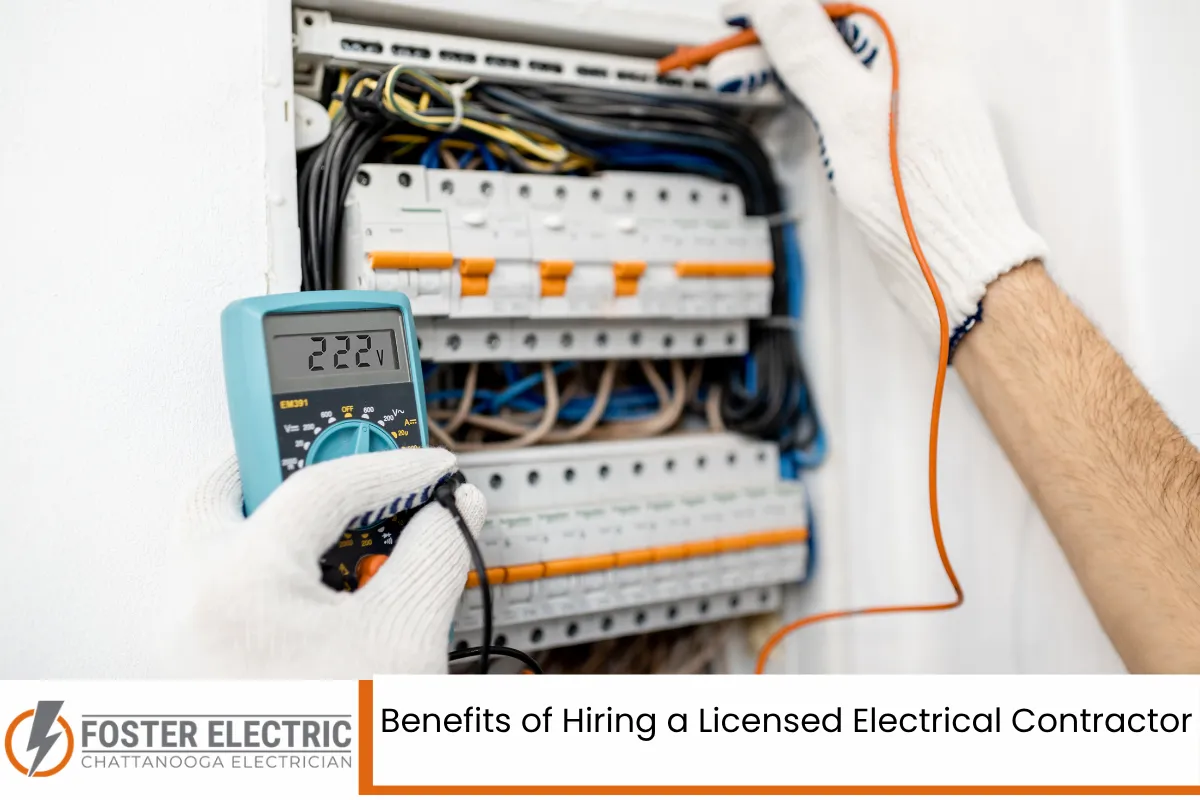
Hiring a professional offers several advantages:
Safety Assurance
Licensed electricians are trained to handle risks and follow safety protocols.
Code Compliance
They ensure all work meets local and national electrical codes.
Long-Term Reliability
Professional work reduces the chance of future failures.
Insurance Protection
Improper DIY work can void homeowner insurance policies.
Tools Every Homeowner Should Have for Minor Electrical Work
If you plan to handle basic electrical service tasks, keep these tools on hand:
- Voltage tester
- Insulated screwdrivers
- Wire strippers
- Electrical tape
- Flashlight
These tools help reduce risk and improve accuracy when performing small jobs.
Practical Safety Tips for DIY Electrical Work
Before starting any project:
- Always turn off power at the breaker
- Double-check with a voltage tester
- Avoid working in wet conditions
- Use insulated tools
- Never rush
Taking these precautions can prevent accidents and ensure safer outcomes.
How Energy Efficiency Connects to Electrical Work
Many homeowners attempt electrical upgrades to improve energy efficiency. Safe DIY projects include:
- Switching to LED lighting
- Installing smart plugs
- Using programmable thermostats
However, installing smart panels or whole-home automation systems should be handled by an electrician.
Smart Home Upgrades: DIY vs Professional Installation
Smart home technology is growing in popularity, but not all upgrades are DIY-friendly.
Safe options:
- Smart bulbs
- Plug-in devices
Professional-required:
- Smart switches with wiring
- Integrated home systems
- EV charger installations
Working with an electrical contractor ensures compatibility and safety.
Making the Right Call for Your Home
Knowing your limits is one of the most important parts of homeownership. While it’s tempting to save money with DIY fixes, electrical work is not an area where risks are worth taking.
Simple tasks like changing bulbs or resetting breakers are manageable. But anything involving wiring, load changes, or system upgrades should always be left to a licensed electrician in East Ridge, TN.
Protecting your home starts with making informed decisions.
Electrician in East Ridge, TN – Foster Electric
When you need a reliable electrician, we’re here to help. At Foster Electric, we provide dependable electrical service for homeowners in East Ridge, Tennessee and nearby communities. Whether you’re dealing with faulty wiring, planning an upgrade, or unsure if a task is safe to handle on your own, our team is ready to guide you.
We take pride in delivering safe, code-compliant solutions that protect your home and family. Our experienced electrical contractors handle everything from minor repairs to full system installations with precision and care. If you’re facing an electrical issue or planning improvements, call us at (423) 826-7270 or fill out our contact form today. Let us handle the work so you can have peace of mind.
Frequently Asked Questions
Can I legally do my own electrical work in East Ridge, TN?
Homeowners in East Ridge are generally allowed to perform minor electrical work on their own property. However, any major electrical service, such as installing new circuits or upgrading panels, typically requires permits and must meet strict code requirements. Inspections may also be required. If the work fails inspection, you could face fines or be required to redo the project. It’s always best to check with local authorities before starting. Hiring a licensed electrician ensures compliance with regulations and reduces risks associated with improper installations.
How do I know if my home’s wiring is outdated?
Outdated wiring often shows warning signs such as frequent breaker trips, flickering lights, or outlets that feel warm to the touch. Homes built decades ago may still use older systems that cannot handle modern electrical loads. You might also notice two-prong outlets instead of grounded ones. These issues can increase fire risk and reduce efficiency. A professional electrical contractor can inspect your system and recommend upgrades if necessary, ensuring your home meets current safety standards.
Are DIY electrical repairs covered by homeowners insurance?
In many cases, insurance policies may not cover damages caused by improper DIY electrical work. If an issue arises due to unlicensed repairs or code violations, claims could be denied. Insurance companies often require that electrical service be performed by qualified professionals. This protects both the homeowner and the insurer from unnecessary risk. Before attempting any electrical repair, it’s wise to review your policy and consider whether hiring a licensed electrician would provide better long-term protection.
What is the most common electrical mistake homeowners make?
One of the most common mistakes is failing to turn off power completely before starting work. Many people rely only on a switch instead of shutting off the breaker. Another frequent error is incorrect wiring connections, which can lead to short circuits or fire hazards. Using the wrong materials or overloading circuits is also common. These mistakes highlight the importance of understanding basic electrical principles or hiring a professional electrician to avoid serious consequences.
How often should I have my electrical system inspected?
It’s recommended to have your electrical system inspected every 3 to 5 years, especially if your home is older. Regular inspections can identify potential hazards such as worn wiring, overloaded circuits, or outdated panels. If you’ve recently purchased a home or completed renovations, an inspection is especially important. A licensed electrical contractor can assess your system and ensure everything meets current safety standards, helping you avoid costly repairs or dangerous situations in the future.
Important Electrical Safety Note: This article is for general informational purposes only and does not replace professional advice. Electrical work can be dangerous and must comply with local codes. Always consult a licensed electrician for complex tasks or when unsure about safety.
Read East Ridge Electrician: Why Does My Circuit Breaker Keep Tripping?