
Your electrical system is like the hidden engine that powers your home. It keeps your lights bright, your fridge running, and your favorite devices charged. But when something isn’t right, it can also become dangerous. Knowing the top signs that you need an electrician to inspect your electrical system can help you avoid costly repairs, fires, and even bigger disasters. Let’s dive into the warning signs that you should never ignore!
Why It’s Important to Have Regular Electrical Inspections
Electrical systems don’t last forever. Over time, wires can wear out, connections can loosen, and electrical components can become unsafe.
Getting regular electrical inspections by a licensed electrician helps:
- Prevent potential fire hazards and shocks.
- Catch minor issues before they become major problems.
- Keep your home in line with the latest electrical safety standards.
- Improve your home’s energy efficiency and lower your energy costs.
Routine checks are a smart and simple way to protect your home, your family, and your wallet!
Top Signs You Need an Electrician to Inspect Your Electrical System
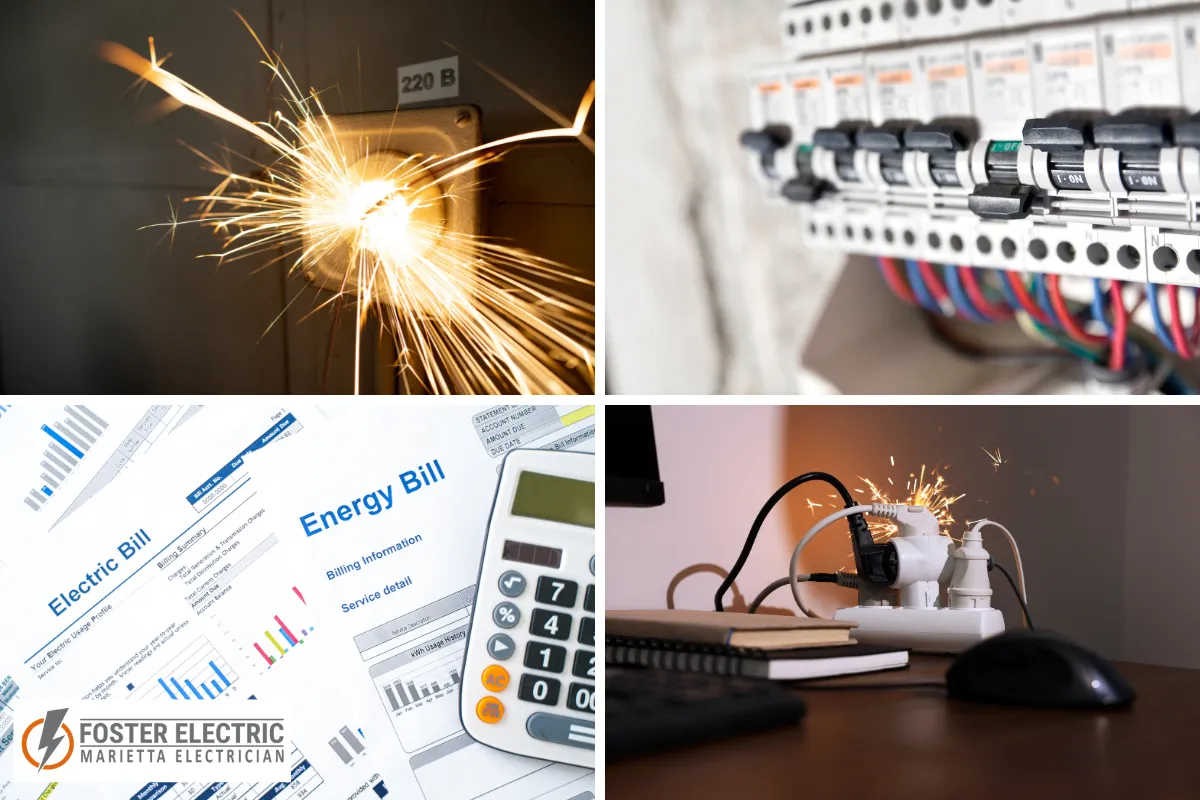
Here are the clearest signs your home needs a professional checkup:
1. Frequent Circuit Breaker Trips
If your circuit breaker trips often, that’s a big warning sign.
Circuit breakers protect you from circuit overloads, but if they trip a lot, it could mean:
- Too much power demand on a single circuit.
- Electrical wiring faults behind the walls.
- A faulty breaker that needs replacement.
An electrician can perform a circuit breaker inspection to find the root cause and fix it safely.
2. Flickering, Dimming, or Buzzing Lights
Do your lights flicker or dim when you turn on the microwave?
This could be from:
- Loose electrical connections.
- Overloaded circuits.
- An aging lighting fixture struggling to keep up.
Buzzing sounds are a sign of trouble too — and should never be ignored!
3. Burning Smell or Discolored Outlets/Switches
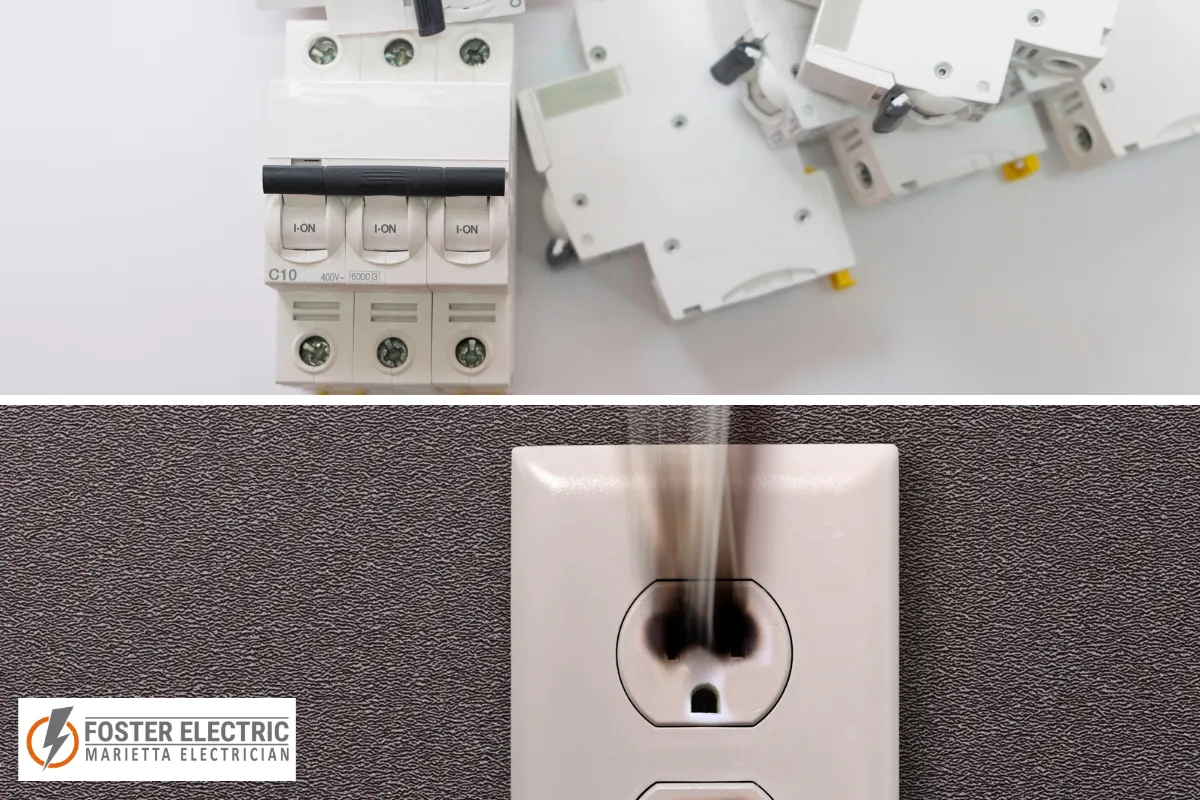
If you smell something burning near your electrical outlets or see brown or black marks, call a professional immediately.
These signs usually mean:
- Loose wire connections.
- Overheated circuits.
- Hidden potential hazards inside your walls.
This is a major warning that your home may have a potential fire risk.
4. Warm or Hot Electrical Components
Outlets, switches, or even your electric panel should never feel hot.
Excessive heat points to:
- Overloaded circuits.
- Damaged wires.
- Failing breakers.
A qualified electrician can locate and repair these dangers before they cause a serious issue.
5. Sparking from Outlets or Appliances
Seeing sparks when plugging something in?
That’s not normal!
Sparking can be caused by:
- Worn-out outlets.
- Poor connections.
- Loose wiring.
Sparks can lead to fires, so schedule a professional electrical repair as soon as possible.
6. Outdated or Overloaded Electrical Panel
If your panel is older than 25–30 years or still uses fuses instead of breakers, it’s time for an update.
Modern panels have safety features like Arc Fault Circuit Interrupters (AFCIs) to better protect your home.
Signs your panel needs attention include:
- Buzzing sounds.
- Burnt smells.
- Not enough circuits for your modern appliances.
7. Overuse of Extension Cords and Power Strips
If you constantly rely on extension cords or power strips, it means your home doesn’t have enough electrical outlets.
Adding additional circuits and extra outlets will make your home safer and more convenient.
8. Shock or Tingling Sensation from Devices
Feeling a tingle when touching a device or outlet?
That’s a clear sign of:
- Grounding issues.
- A loose connection inside the wiring.
- Serious electrical hazards that need professional attention.
9. High, Unexplained Energy Bills
If your energy usage hasn’t changed but your bills have shot up, faulty wiring could be to blame.
Damaged or outdated electrical components waste power and increase energy costs.
A skilled electrician can improve your energy efficiency and lower your bills.
10. Recent Storm or Physical Damage
Storms, floods, or physical damage can quietly harm your home’s electrical wiring.
Even if you don’t see damage, hidden issues may exist.
A prompt inspection after such events ensures your home stays safe and that no underlying issues threaten your power system.
Why You Should Never Ignore These Electrical Warning Signs
Ignoring the signs of trouble can turn small problems into dangerous emergencies.
Minor signs like buzzing sounds or warm outlets often hide much bigger dangers behind your walls.
Potential fire hazards, electrical shocks, and costly property damage can happen fast if issues are left unchecked.
By scheduling a professional inspection when you spot any of these signs, you take a proactive measure to:
- Protect your family’s safety.
- Save thousands in possible repairs.
- Maintain a safe living environment with proper flow of electricity.
What a Licensed Electrician Will Check During an Inspection
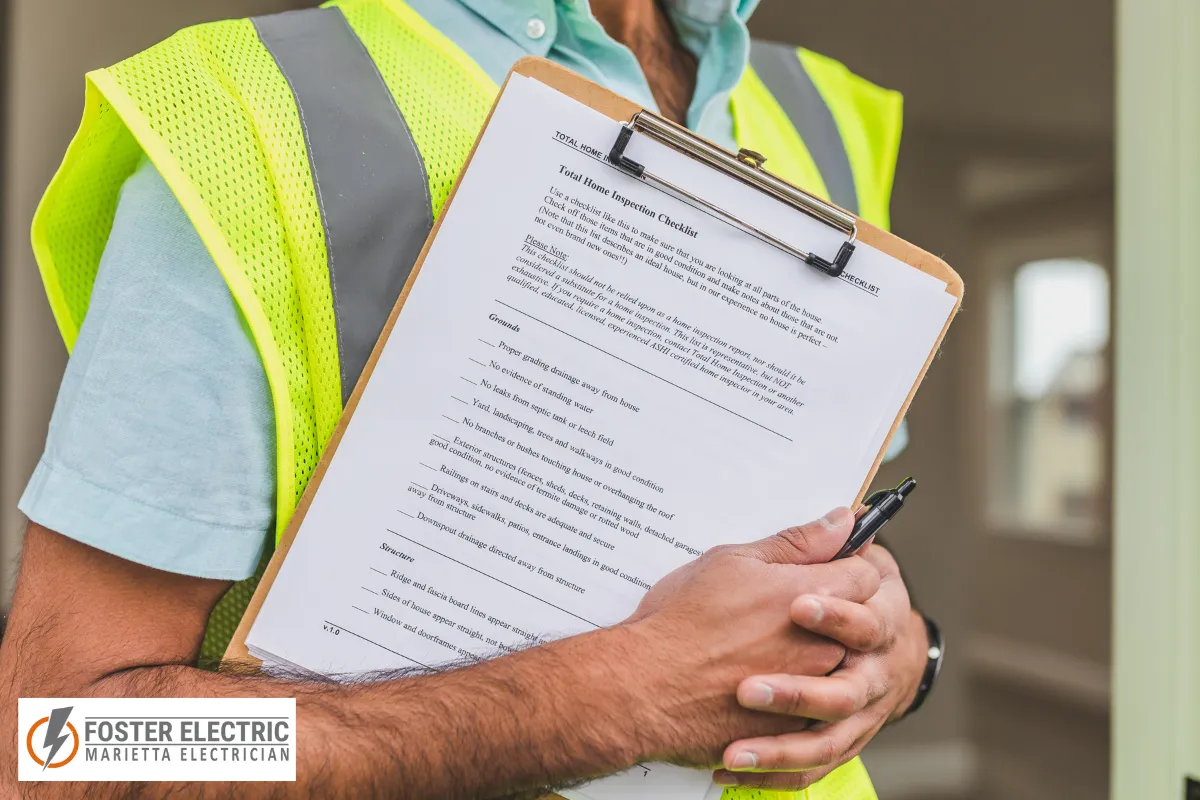
When a professional electrician visits, they’ll do more than just peek at your outlets!
Here’s what they typically inspect:
- Light switches, electrical outlets, and junction boxes.
- Your electrical panel for overloads, damage, or outdated parts.
- The grounding and bonding systems that prevent electric shock.
- Overall wiring condition, searching for loose wire connections, frayed wires, or overheating.
They’ll also check if your system can support energy-efficient appliances and recommend energy-efficient upgrades if needed.
When to Schedule an Immediate Electrical Inspection
You should call an electrician right away if:
- You notice persistent issues like tripped breakers or sparking outlets.
- You’ve remodeled or added new large appliances.
- Your home is older and hasn’t had a recent electrical system evaluation.
- Severe weather or water damage has occurred.
Routine checks every few years help catch problems early, but urgent symptoms need a prompt inspection without delay.
Protect Your Home with a Professional Electrical Inspection

Keeping your electrical system safe isn’t just smart — it’s necessary.
By watching for signs like flickering lights, warm outlets, or frequent breaker trips, you can stop bigger problems before they happen.
A licensed electrician has the expert guidance to fix issues, ensure proper installation of new systems, and help you enjoy a safe living environment with reliable, efficient power.
Don’t wait until a small warning becomes a big, costly disaster.
Schedule a professional electrical inspection today and give yourself peace of mind knowing your home’s power is in expert hands!
Chattanooga, TN Electrician – Foster Electric
If you’ve noticed flickering lights, warm outlets, or frequent breaker trips, it’s time to trust the experts at Foster Electric – Chattanooga Electrician. Our licensed professionals specialize in thorough electrical safety inspections, panel upgrades, and wiring repairs to keep your home safe, energy-efficient, and up to current safety standards. Whether you need to correct outdated wiring, add additional outlets, or address potential electrical hazards, our team is ready to deliver top-quality service with a commitment to safety.
At Foster Electric, we understand how important it is to catch electrical issues early to avoid costly repairs and ensure peace of mind. With decades of experience handling everything from minor electrical repairs to full breaker box inspections, our skilled electricians are here to help.
Call us today at (423) 826-7270 for trusted, reliable electrical services in Chattanooga and the surrounding areas!
Frequently Asked Questions About Electrical Inspections
When to get an electrical inspection?
You should get an electrical safety inspection during several important times:
- When buying or selling a home.
- After major renovations or installing major appliances.
- If your home is over 25 years old with possible outdated wiring.
- When you notice warning signs like hot outlets, dead outlets, or flickering ceiling fans.
An electrical home safety inspection ensures your system meets current safety standards and detects potential safety hazards like frayed wiring or faulty connections.
You should also schedule routine inspections every 3 to 5 years to prevent electrical fires, comply with building codes, and maintain your home’s electrical lighting and outdoor outlets safely.
According to the Electrical Safety Foundation, early detection through inspections helps avoid costly damage, protects from electrical circuits overloads, and ensures reliable electrical appliances use every day.
How do I know I need an electrician?
Several telltale signs mean you should call a residential electrician or commercial electrician:
- Frequent tripped breakers or chaotic wiring around your circuit box.
- Hot outlets or faulty outlet sparks when plugging in devices.
- Buzzing sounds from electrical fixtures or the breaker box.
- Burning smells near electrical wires or light fixtures.
- Power surges that damage your devices.
These signs point to wiring issues, ground faults, and potential electrical safety hazards that need prompt attention.
A licensed professional provides expert electrical repair service to fix faulty appliances, upgrade service panels, and bring your home up to minimum safety standards.
Working with reliable electricians also ensures your home meets electrical codes and that you are safe from electrical fires caused by outdated outlets or energy inefficiency.
How much does an electrician charge to inspect wiring?
The average cost for a wiring inspection ranges from $150 to $400, depending on your home’s size, age, and the complexity of the system.
Costs can vary based on:
- Checking electrical circuits for faulty connections.
- Inspecting electrical fixtures, light fixtures, and outdoor outlets.
- Testing the circuit box for code compliance.
Sometimes a more detailed electrical safety check can cost more if additional testing is needed, especially for wiring upgrades or inspections related to energy inefficiency.
It’s important to hire a reputable electrician with experience in code compliance inspections to make sure all electrical inspection checklist circuits are fully reviewed.
Before choosing an electric repair provider, ask about:
- Inspection pricing.
- Past reviews from previous clients.
- Their commitment to electrical safety hazards prevention.
Hiring a licensed professional ensures accurate inspection and peace of mind.
When should you inspect electrical equipment?
Electrical equipment like service panels, breaker boxes, and electrical appliances should be inspected:
- Annually for heavy-use or commercial properties.
- Every 3–5 years for homes under normal conditions.
- Immediately if you see signs of damage like a hot outlet, burning smell, or dead outlets.
Equipment inspections prevent electrical safety hazards and ensure electrical safety check results meet building codes.
Common reasons to inspect electrical equipment include:
- New electrical lighting installations.
- Adding additional outlets.
- After installing major appliances like HVAC units.
Professional electrical services include checking for faulty connections, ground faults, and outdated parts that no longer meet current safety standards.
Ignoring inspections can lead to safety risks like fires or shocks, so routine inspections are a crucial part of a safe living environment.
Why Do You Need an Electrical Inspection?
An electrical inspection is crucial for keeping your home safe, efficient, and code-compliant.
It helps you:
- Spot wiring issues like frayed wiring early.
- Detect potential safety hazards such as faulty outlets and ground faults.
- Ensure all electrical appliances meet minimum safety standards.
- Lower energy inefficiency by finding faulty appliances draining excess power.
A licensed professional uses an electrical inspection checklist to evaluate your entire system, including electrical circuits, service panels, and outdoor outlets.
This protects against electrical fires, house fires, and costly damage.
Inspections also verify electrical codes compliance and help identify when wiring upgrades or panel replacements are needed to maintain safe, modern functionality.
Routine inspections, done by reliable electricians, show a true commitment to safety and long-term home value.
What Does an Electrical Inspection Cover?
A full electrical safety inspection covers many critical areas:
- Testing electrical circuits and breakers.
- Checking electrical wires for wear, damage, or frayed wiring.
- Inspecting light fixtures, outlets, ceiling fans, and service panels.
- Reviewing your breaker box for capacity and safety.
- Verifying all wiring meets electrical inspection code compliance standards.
- Evaluating electrical appliances for safe operation.
Professional inspections ensure everything meets current safety standards and that no faulty connections create hidden risks.
They also help detect energy inefficiency, recommend necessary wiring upgrades, and ensure proper grounding of all outdoor outlets and major appliances.
By catching telltale signs of trouble early, an electrician helps avoid costly repairs and protects your home from safety concerns.
How Often Should You Get an Electrical Inspection?
You should schedule an electrical inspection:
- Every 3–5 years for most homes.
- Every year for older homes (30+ years) or properties with outdated wiring.
- Immediately if you experience power surges, faulty outlets, or suspect any electrical safety hazards.
Routine inspections ensure your home stays within electrical codes and meets current safety standards.
Inspections are also important:
- Before selling or buying a home.
- After significant home remodeling or electrical lighting upgrades.
Following a regular inspection schedule helps identify potential safety hazards early and improves the lifespan of your electrical fixtures and electrical appliances.
What Will Fail an Electrical Inspection?
Several issues can cause your home to fail an electrical safety inspection:
- Outdated wiring like aluminum or knob-and-tube.
- Missing or broken GFCI protection in bathrooms and kitchens.
- Frayed wiring or faulty connections inside walls.
- Dead outlets or hot outlets.
- Overcrowded breaker boxes without room for additional outlets.
- Chaotic wiring inside service panels.
A failed inspection usually points to potential safety hazards or failure to meet minimum safety standards.
Failing to fix these problems can lead to electrical fires, house fires, and major insurance issues.
A domestic electrician or reputable electrician can perform the necessary repairs and upgrades to bring your home back into code compliance and ensure a safe, modern electrical system.
Read More: How to Tell If Your Electrical System Needs an Update: Expert Tips from an Electrician