
Your electrical system is like the heart of your home — it powers your lights, keeps your fridge cold, and charges all your favorite devices. But just like anything else, it can wear out over time. If you’re wondering how to tell if your electrical system needs an update, you’re in the right place! Today, we’ll walk you through the signs, expert tips, and everything you need to know to keep your home safe and running smoothly.
Why Updating Your Electrical System Matters
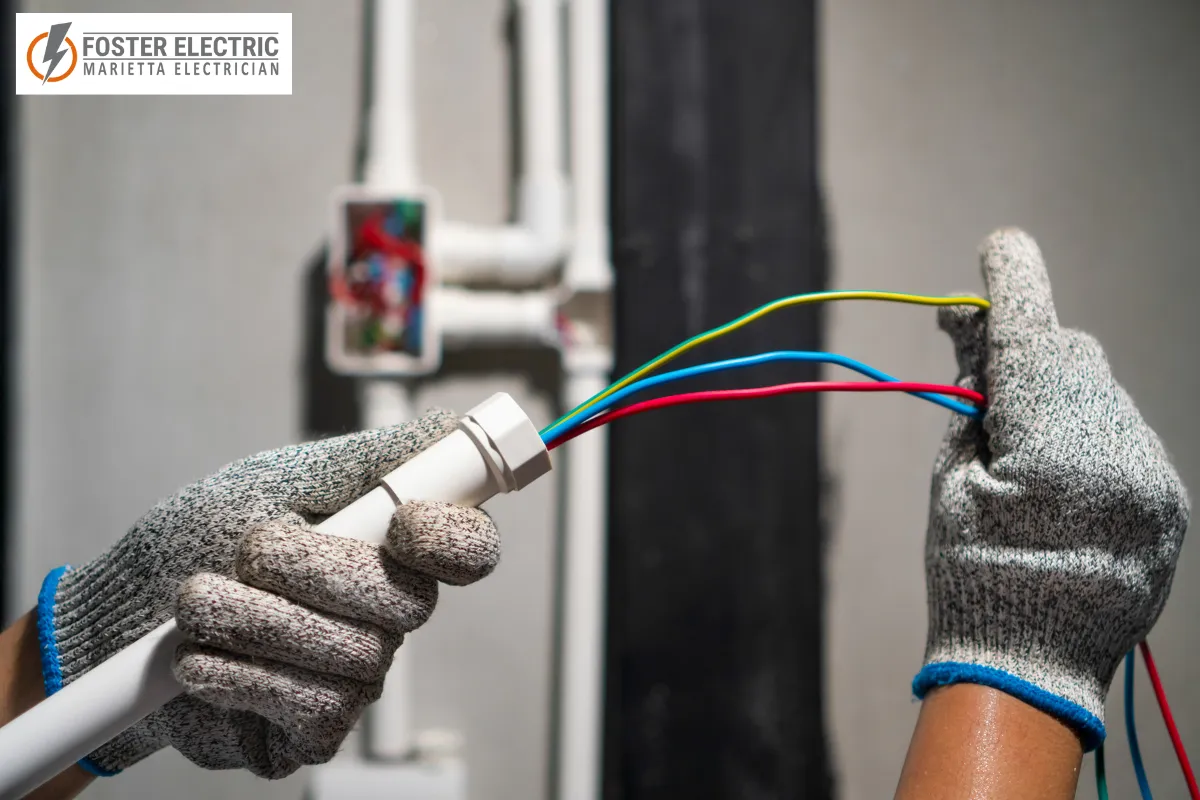
Updating your electrical system isn’t just about keeping the lights on. It’s about protecting your home and family from serious dangers like fires, power outages, or even electrocution.
Today’s homes use much more electricity than they did 20 or 30 years ago. Between TVs, laptops, smart devices, and bigger appliances, older systems can struggle to keep up. Plus, insurance companies often require homes to meet modern electrical codes, and upgrades can even boost your home’s value!
An experienced electrician will make sure everything meets the latest safety standards, helping you avoid expensive problems down the line.
Major Warning Signs Your Electrical System Needs an Update
It’s not always easy to see what’s going on behind your walls, but your home gives you clues. Watch out for these signs:
1. Frequent Circuit Breaker Trips
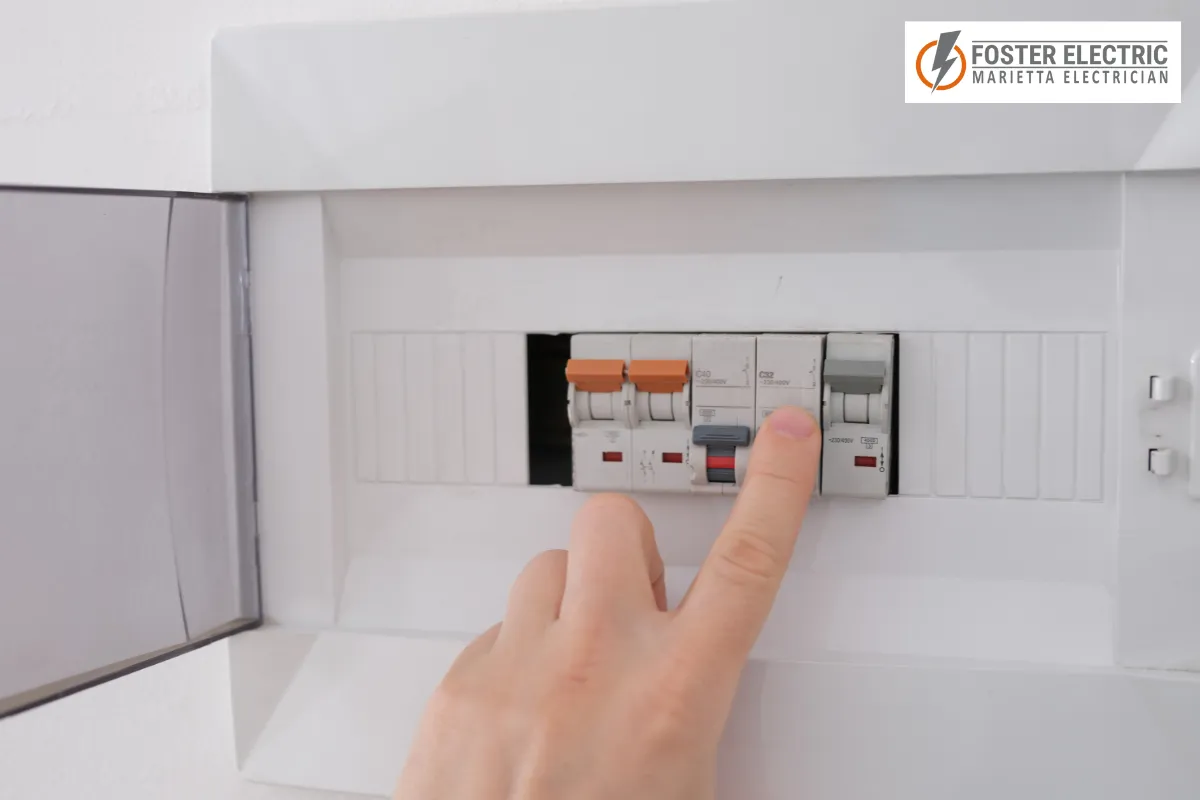
If your circuit breakers trip a lot, that’s a big red flag. Circuit breakers are meant to protect you by shutting off the electricity if there’s too much demand. If it happens often, it means your system might be overloaded and needs a professional circuit breaker inspection or even a circuit breaker replacement.
2. Flickering, Dimming, or Buzzing Lights
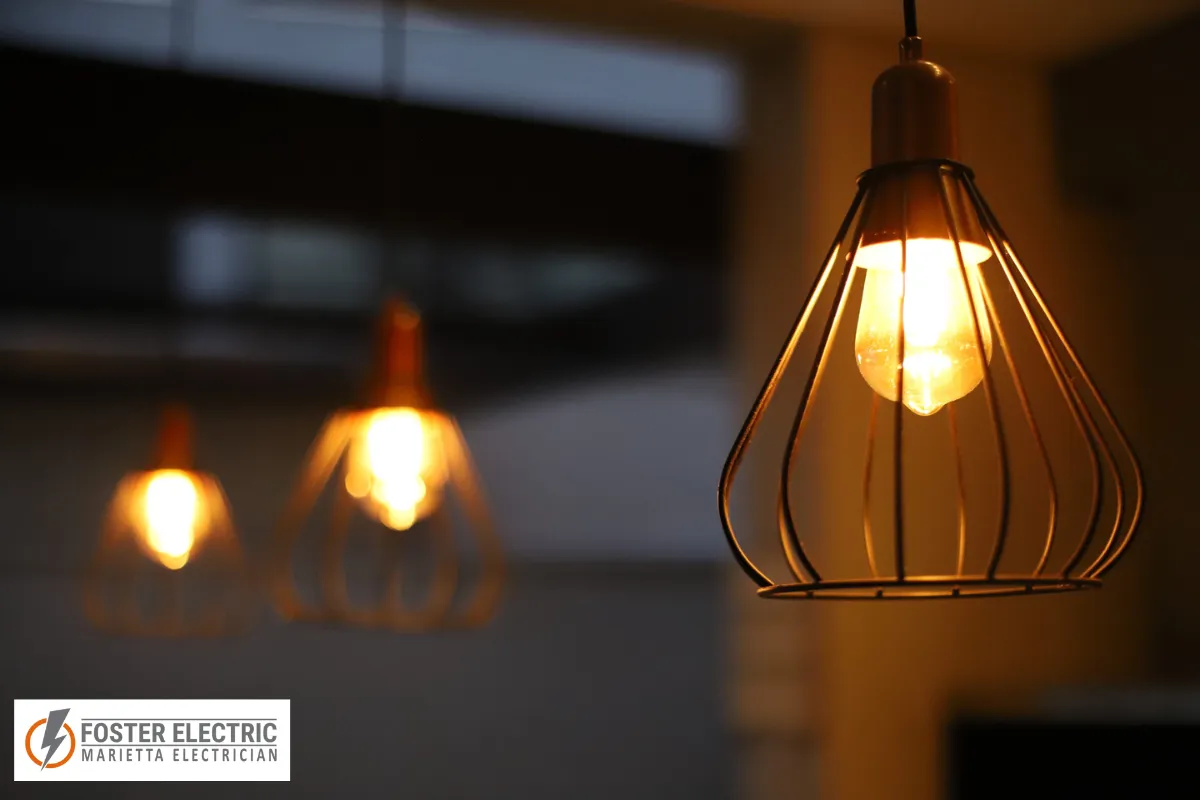
Do your lights flicker or dim when you plug in a vacuum cleaner or microwave? That could mean unstable power flow. Sometimes, you might even hear buzzing sounds, which could point to serious wiring problems needing immediate attention from a licensed electrician.
3. Burning Smells or Discolored Outlets
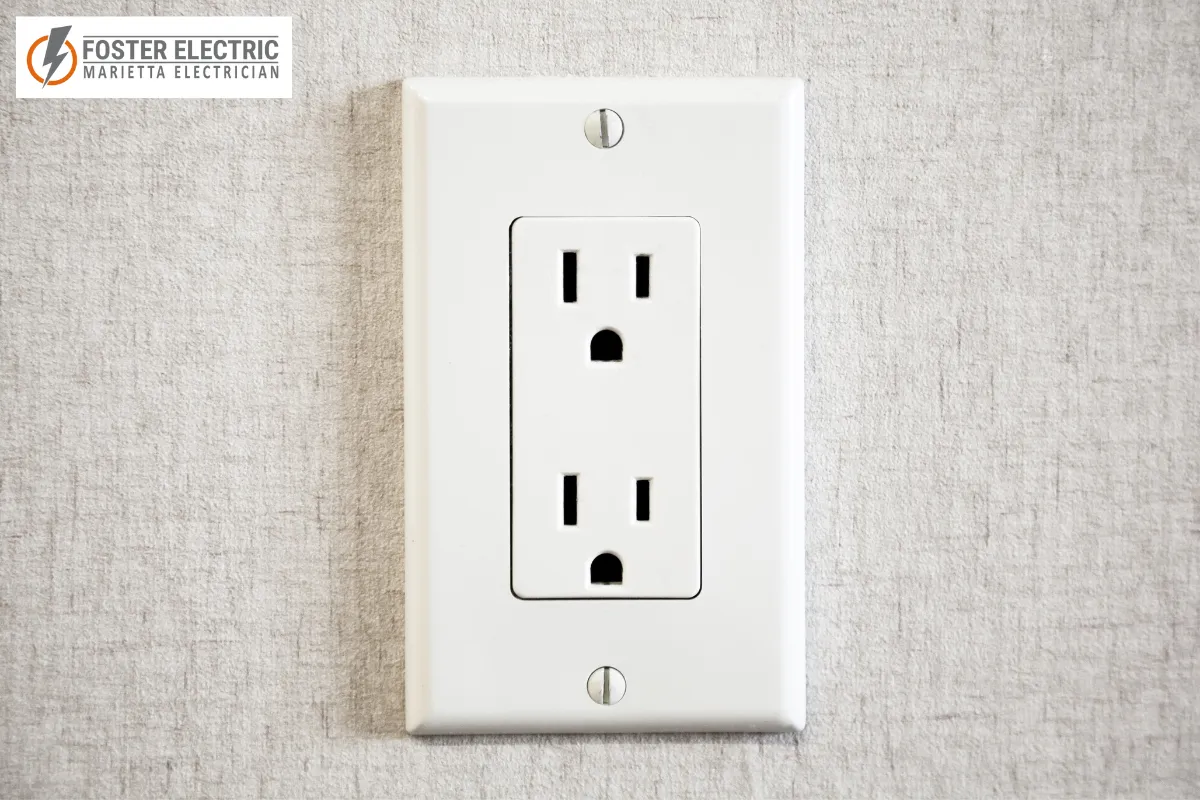
If you ever smell something burning — especially near outlets or switches — stop and call an electrician right away. Discolored outlets or switches can mean the wiring behind them is overheating, which is a huge fire risk.
4. Outdated Electrical Panel
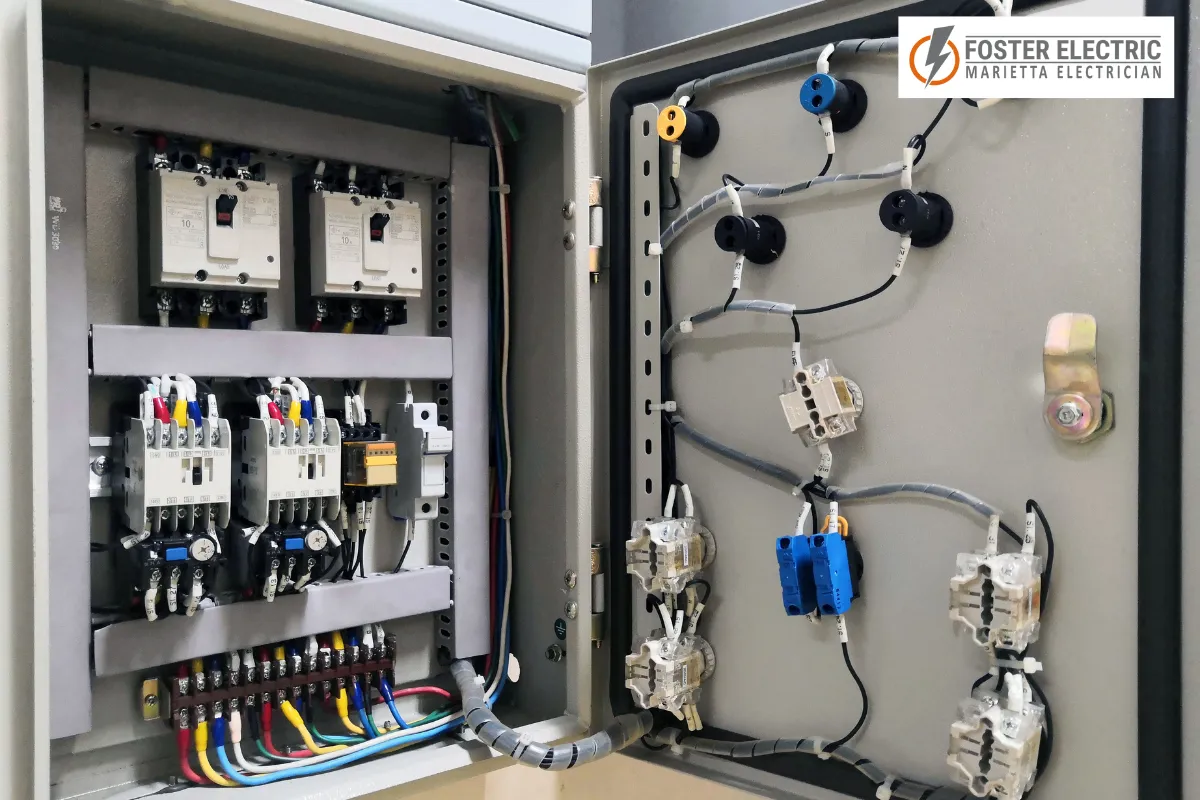
Many older homes have electrical panels that can’t handle modern energy needs. If your panel is more than 25 years old or still uses old fuses instead of breakers, it’s definitely time for an electrical panel upgrade. Upgrading to a modern 200-amp panel can make your home safer and more energy-efficient.
5. Overuse of Extension Cords and Power Strips
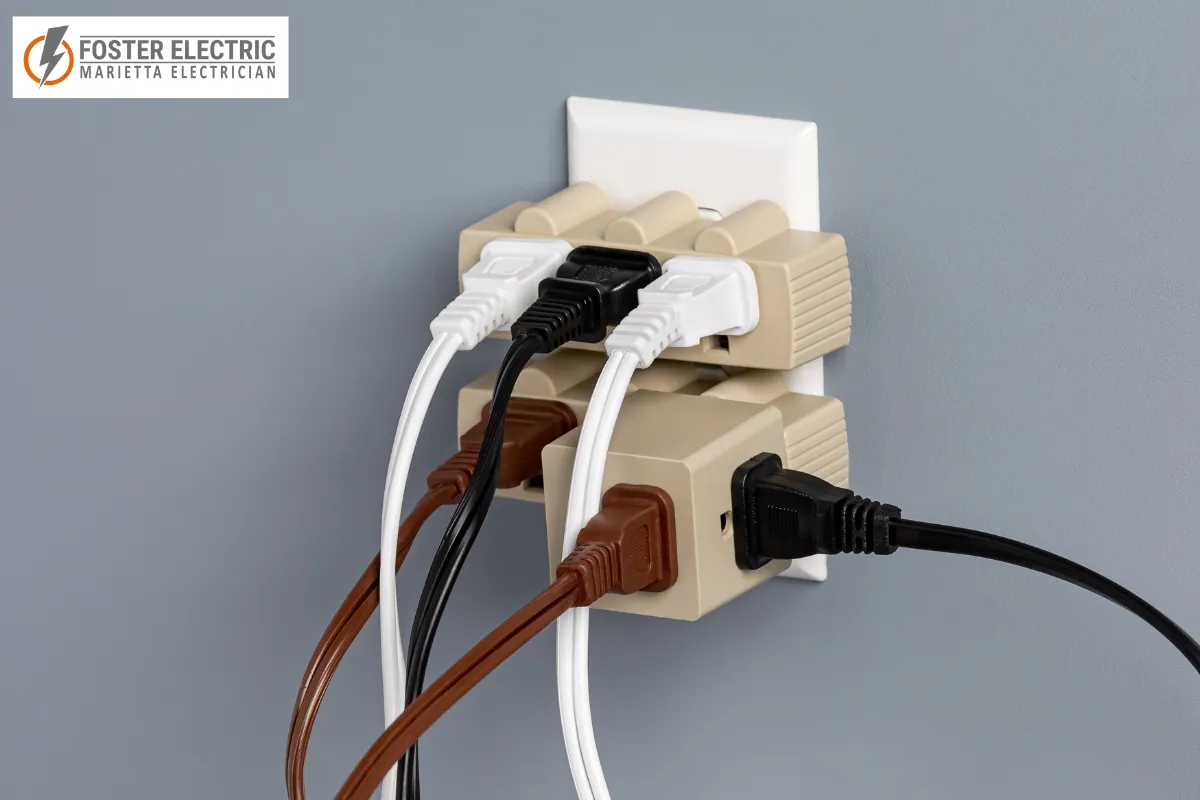
Using lots of extension cords? That’s a sign your home doesn’t have enough outlets. Instead of running cords everywhere, it’s smarter (and safer) to upgrade your system to add more circuits and outlets.
6. Hot or Warm Switches and Outlets
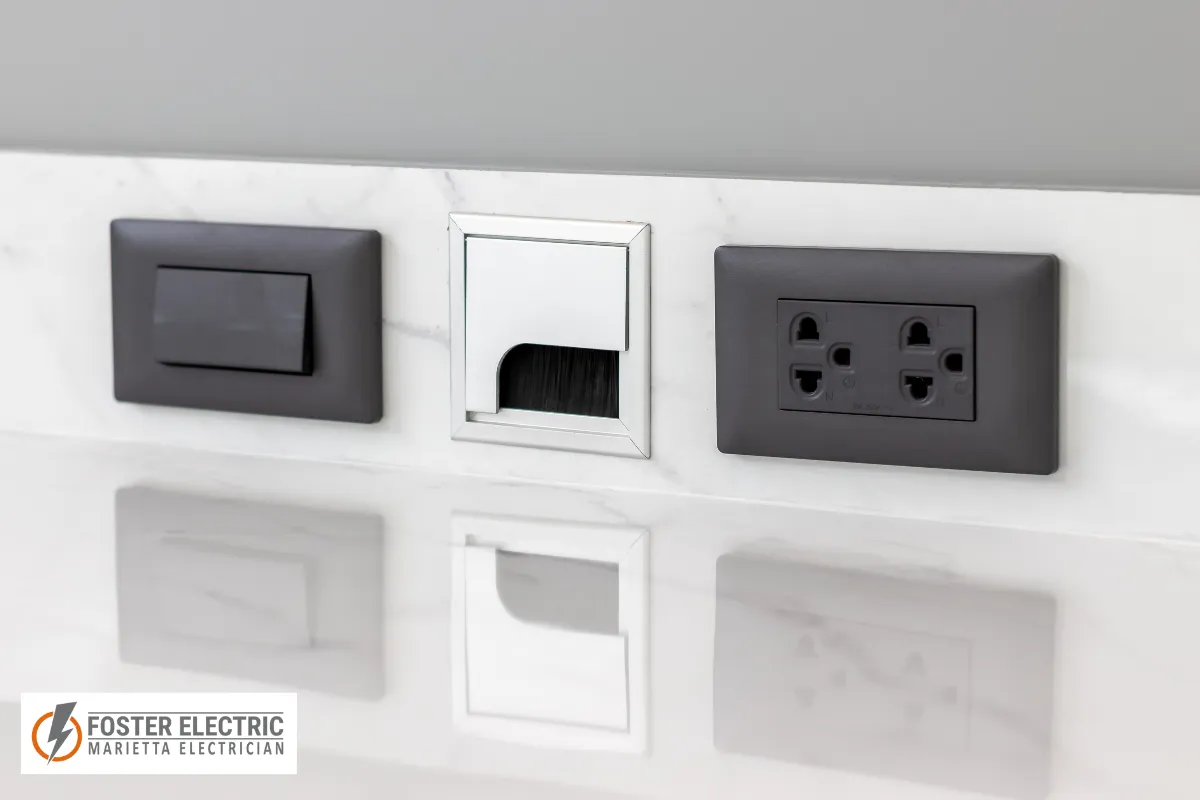
If switches or outlets feel warm or even hot to the touch, it’s a sign that electricity isn’t flowing properly. This heat can eventually cause fires if left unchecked, so it’s important to have a licensed electrician inspect them.
7. Two-Prong Outlets
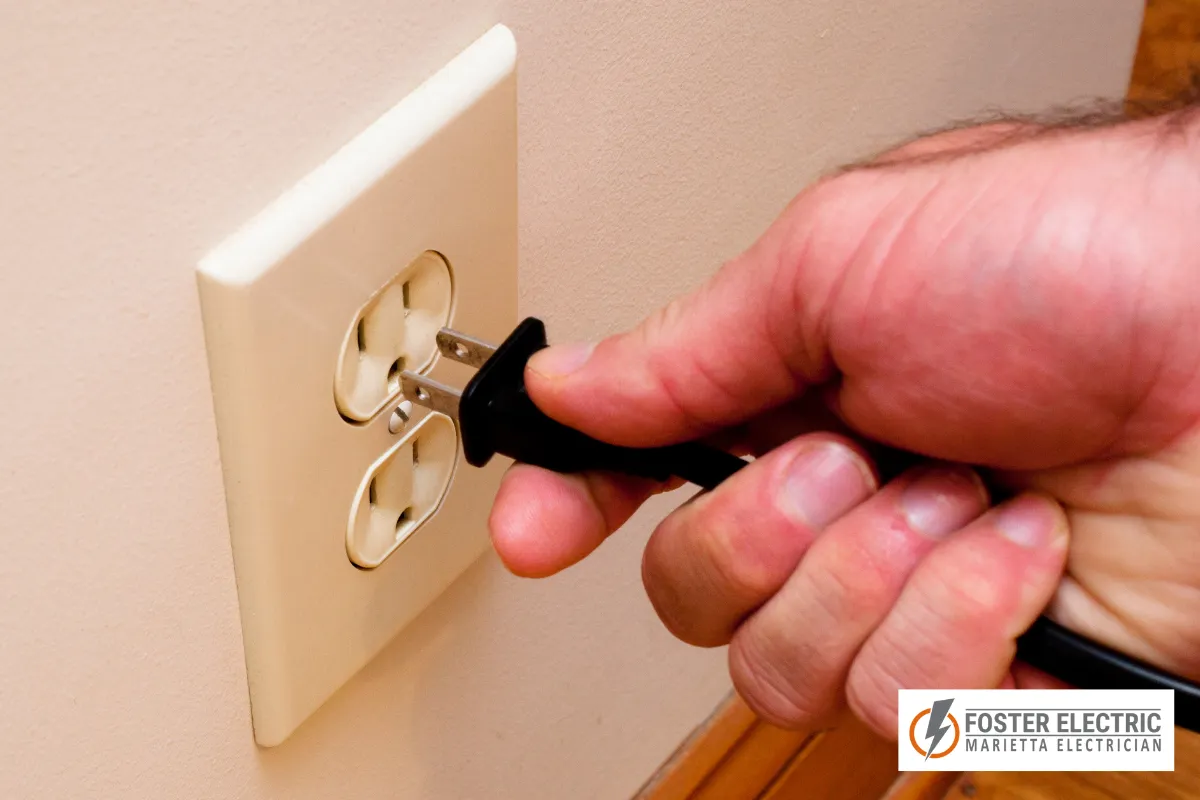
Two-prong outlets don’t have grounding, which helps protect you from shocks. Today’s electrical codes require three-prong outlets in most areas for better safety. If you still have two-prong outlets, it’s time for a system upgrade.
8. Age of Home (30+ Years)
Even if everything seems fine, older homes often have worn-out wiring that can’t safely handle today’s electricity needs. Materials like aluminum wiring or knob-and-tube setups are outdated and can be dangerous without modern upgrades.
Situations When You Should Proactively Consider an Upgrade
Sometimes you should think about upgrading your electrical system even if you don’t see clear warning signs. Here’s when:
- Home Renovations: Adding rooms, finishing a basement, or remodeling kitchens needs more power.
- Installing New Appliances: Big items like hot tubs, EV chargers, or air conditioners need strong, safe wiring.
- Buying an Older Home: Before you move in, it’s smart to get a residential wiring update.
- After a Storm: Heavy storms can damage wires even if you don’t notice it right away.
An electrical safety evaluation from a licensed electrician can catch hidden problems before they become major issues.
Risks of Ignoring Electrical System Problems
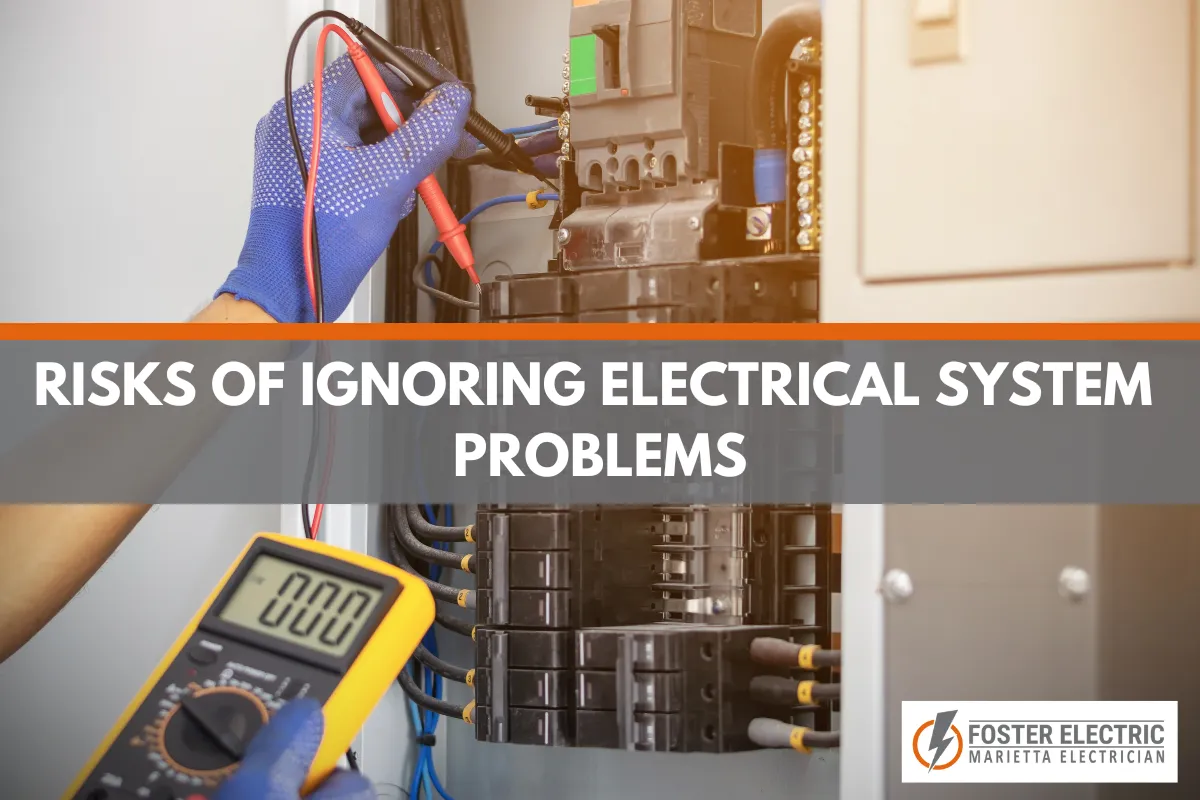
Ignoring electrical problems is like ignoring a leak in your roof — it doesn’t get better on its own. Here’s what can happen:
- Electrical Fires: Overloaded circuits and faulty wiring are one of the leading causes of house fires.
- Power Surges: Damaged wiring can fry your appliances and devices.
- Shock Hazards: Old systems might not have proper grounding, increasing the risk of electrical shock.
- Expensive Repairs: Waiting too long can lead to bigger, costlier issues later on.
- High Energy Bills: Outdated systems waste electricity, making your bills climb.
Keeping your electrical system updated helps protect your home, your wallet, and your peace of mind.
Expert Tips from an Electrician on What to Do
You don’t have to be an expert yourself — but you should know when to call one! Here are smart steps you can take:
- Schedule a Full Electrical System Inspection: A licensed electrician will check your wiring, outlets, breaker panels, and grounding.
- Upgrade to a Modern Electrical Panel: If your home still uses an old panel or fuse box, upgrade to at least a 200-amp panel.
- Replace Outdated Wiring: Modern copper wiring is safer and more reliable than older types like aluminum.
- Install GFCI and AFCI Outlets: These devices shut off power quickly if they detect problems, keeping you safer in kitchens, bathrooms, and outdoor areas.
- Stay Updated with NEC Codes: Electricians follow the National Electrical Code (NEC) to ensure your home meets the latest safety standards.
- Get Regular Electrical Safety Evaluations: Every 3–5 years, even if you don’t notice obvious problems.
An experienced electrician knows exactly what to look for and can recommend updates that keep your home safe for years to come.
Keep Your Home Safe by Staying Ahead of Electrical Problems

Your home should be a place of comfort and security — and a big part of that is having a safe electrical system. Learning how to tell if your electrical system needs an update isn’t just smart; it’s one of the best things you can do for your family’s safety.
If you’ve noticed any of the signs we talked about — or if you just want peace of mind — don’t wait. A trusted, licensed electrician can check your system, recommend the right upgrades, and make sure your home meets today’s highest safety standards.
Protect your home, lower your bills, and power your future safely — all it takes is one call to an expert!
Chattanooga, TN Electrician – Foster Electric
If you’re noticing flickering lights, warm outlets, or frequent breaker trips, it’s time to call the trusted experts at Foster Electric – Chattanooga Electrician. Our team specializes in professional electrical inspections, panel upgrades, and complete electrical services to keep your home safe, efficient, and up-to-code. Whether your home needs an urgent wiring check, an electrical panel replacement, or energy-efficient upgrades, Foster Electric has the experience and skills to handle it all.
Modern homes demand modern solutions. Our qualified electricians help identify potential hazards early, preventing costly repairs and keeping your family safe from electrical risks. We stay up-to-date with all safety regulations and technological advancements to ensure your home’s electrical system can handle today’s high energy usage needs.
Don’t wait for small problems to become serious hazards. Call Foster Electric today at (423) 826-7270 for expert advice, prompt service, and top-quality electrical care you can trust!
Frequently Asked Questions About Electrical System Updates and Maintenance
When should electrical be updated?
Electrical systems should be updated when you notice persistent issues like frequent breaker trips, warm outlets, loose connections, or when your home is older than 25 years.
Modern homes require updated systems to handle modern appliances, smart home technology, and greater energy demands.
It’s smart to update when:
- You renovate or add new rooms.
- You install sensitive electronics or high-power appliances.
- Your insurance provider requires compliance with new safety regulations.
Updating helps prevent potential hazards like electrical overloads, electric shock, and potential fire risks.
A professional electrician can provide a prompt inspection and expert advice on whether a larger panel, additional circuits, or modern wiring is needed.
Stay proactive—routine updates protect your home from excessive heat, frayed wires, and signs of damage hidden behind walls.
Do I need to upgrade my electrical system?
You may need an electrical upgrade if your home’s flow of electricity can’t keep up with today’s energy-efficient appliances and technology.
Common signs you need an upgrade include:
- Flickering lights and faulty breakers.
- Overloaded single circuit handling multiple high-powered electrical devices.
- Strange odors near outlets or electrical fixtures.
If you have a current panel over 25 years old, loose wire connections, or persistent issues with your electrical appliances, an upgrade is necessary.
A qualified electrician can assess your home’s electrical components, recommend dedicated circuits, and install additional outlets if needed.
Upgrading improves energy efficiency, ensures consistent power, and reduces potential damage from electrical faults or circuit overloads.
It’s a vital step for a safe living environment and keeping up with technological advancements like smart switches and LED lighting.
How much does it cost to have an electrician check wiring?
The cost for a professional inspection of electrical wiring typically ranges from $150 to $400, depending on your home’s size, age, and the complexity of the inspection.
A licensed electrical contractor will:
- Check junction boxes.
- Inspect electrical outlets and lighting fixtures.
- Test for loose connections, signs of damage, and potential fire hazards.
Additional costs may arise if minor issues like poor connections or frayed wires need immediate electrical repairs.
Hiring a team of electricians ensures the inspection is thorough, focusing on identifying safety hazards, improper installations, and potential needs for energy-efficient upgrades.
Investing in a prompt inspection helps avoid costly repairs later due to hidden electrical faults or damaged electrical components.
A professional electrician also provides valuable expert guidance on preventive measures and future-proofing your home with modern wiring.
How do I know if my electrical panel needs to be upgraded?
You should consider upgrading your electric panel if:
- Your breakers trip often.
- The panel feels warm or smells burnt.
- You still have a fuse box instead of breakers.
- You added new electrical gadgets or high-powered modern appliances.
Older panels often lack safety features like Ground Fault Circuit Interrupters (GFCIs) and Arc Fault Circuit Interrupters (AFCIs), making them a potential hazard.
Expert advice suggests that if your home still runs on a 60-amp or 100-amp panel, it’s not enough for today’s energy consumption needs.
A professional electrician can perform a professional inspection and recommend a larger panel capable of supporting additional circuits and safer flow of electricity.
By upgrading, you avoid circuit overloads, major hazards, and ensure consistent power across all rooms.
How do I know if my electrical is outdated?
You can spot outdated electrical systems by watching for:
- Two-prong outlets without grounding.
- Warm light switches and lighting fixtures.
- Constant need for extension cords.
- Flickering or dimming light bulbs (especially when using large appliances).
- A panel that struggles with energy-efficient appliances.
Outdated wiring materials like aluminum can create potential fire hazards due to poor connection and excessive heat.
Homes built more than 30 years ago often have electrical wiring that no longer meets modern safety regulations or energy efficiency standards.
Hiring a professional electrician ensures you catch signs of damage, such as loose connections, frayed wires, or persistent issues before they escalate into emergencies.
An electrical system stuck in the past can also cause unnecessary energy waste and higher energy costs.
How often should the electrical systems be inspected by a licensed electrician?
Electrical systems should undergo routine inspections by a licensed electrician every 3 to 5 years for standard homes.
However, older homes or properties with persistent issues may need regular inspections every 1 to 2 years.
An inspection covers:
- Electrical connections.
- Electrical panels and junction boxes.
- Loose wire connections.
- Condition of light fixtures and electrical outlets.
Regular maintenance ensures you spot minor issues like a faulty switch or loose connections before they turn into major hazards.
A professional inspection also guarantees your system meets current safety regulations and supports your home’s growing energy usage needs.
Stay ahead with proactive measures — don’t wait for a failure to act!
What are the immediate warning signs of serious electrical problems in my home?
Serious electrical issues often show up through clear warning signs you shouldn’t ignore. Immediate red flags include:
- Strange odors like burning plastic near electrical outlets or light switches.
- Warm outlets, switches, or the electric panel.
- Buzzing sounds from walls, switches, or lighting fixtures.
- Flickering lights without reason.
- Frequent circuit overloads or faulty breakers.
- Frayed wires or visibly damaged electrical components.
If you notice any of these, it points to an underlying issue needing professional attention right away.
Leaving these signs untreated can create potential fire risks and major hazards for your home and family.
Calling a qualified electrician for an urgent electrical inspection is the safest action.
Quick detection of loose connections, poor connections, or improper installations through a prompt inspection prevents costly repairs and keeps your home’s flow of electricity safe.
Can I fix any electrical issues myself?
While it might be tempting to handle small electrical tasks, working with electricity can be extremely dangerous without the right training.
Even minor mistakes can cause:
- Electric shock.
- Potential fire hazards.
- Serious property damage or injury.
You can safely change light bulbs, especially switching from old incandescent bulbs to energy-efficient LED lights.
However, repairing electrical wiring, replacing junction boxes, or installing smart switches should only be done by a professional electrician or electrical contractor.
These jobs require proper installation, deep knowledge of safety regulations, and understanding of energy usage needs.
Trusting skilled professionals ensures that electrical components are installed safely and that your home meets the latest technological advancements and energy efficiency standards.
Proactive measures like scheduling regular inspections can help you stay safe without risking DIY mistakes.
Why Upgrade Your Electrical System?
Upgrading your electrical system is one of the smartest ways to improve energy efficiency, boost safety, and future-proof your home.
Here’s why it matters:
- Prevent safety hazards like electrical faults, excessive heat, and frayed wires.
- Support modern appliances and smart home technology that demand more power.
- Reduce energy consumption and lower energy costs with energy-efficient upgrades.
- Add extra outlets and dedicated circuits to meet growing electrical needs.
- Increase your home’s resale value and meet current safety regulations.
A professional electrician can evaluate your current panel and recommend the right electrical services to match your home’s unique needs.
Whether it’s updating lighting fixtures, replacing outdated electrical connections, or installing a larger panel, upgrading ensures a safer, more comfortable living environment.
What are some common electrical maintenance tasks?
Keeping your home’s electrical system healthy involves a few important routine maintenance tasks:
- Tightening loose connections at outlets and switches.
- Checking for frayed wires or signs of potential fire risks.
- Testing Ground Fault Circuit Interrupters (GFCIs).
- Inspecting light fixtures and replacing outdated incandescent bulbs with LED lighting.
- Examining the electric panel for signs of trouble like rust or intense heat.
Regularly inspecting electrical components reduces the risk of persistent issues and electrical overloads.
Always use a qualified electrician for these inspections to ensure every power source in your home remains safe and efficient.
By practicing preventive measures, you avoid costly repairs, keep your energy usage low, and extend the life of your valuable electrical devices.
Can electrical maintenance be done in-house, or should it be outsourced to a professional?
While you can perform basic checks like replacing light bulbs or resetting tripped breakers, true electrical maintenance should always be handled by skilled electricians.
In-house tasks you can safely do:
- Test your GFCI outlets monthly.
- Visually inspect light switches for cracks or damage.
- Monitor energy consumption and unusual spikes in bills.
Tasks for professionals:
- Inspecting and tightening electrical connections.
- Evaluating lighting fixtures and junction boxes.
- Upgrading electrical appliances and installing dedicated circuits.
- Identifying hidden potential issues like a loose wire connection.
Outsourcing to a professional electrician ensures a thorough electrical inspection that meets strict safety regulations and supports safe, efficient energy flow throughout your home.
Working with top-quality services prevents major hazards, keeps your home compliant, and ensures that all your electrical gadgets and smart switches operate safely and efficiently.
Read More: Essential Services Offered by Professional Electricians