
Why Do Some Outlets Suddenly Stop Working?
East Ridge Electrician homeowners often call when outlets stop working in one room while the rest of the house still has power. It’s frustrating, confusing, and sometimes alarming. You plug in a device, flip a switch, and nothing happens. You reset one breaker, then another, but the issue remains. Now you’re wondering: is this a small wiring issue or something more serious?
When part of your home loses power, it’s usually tied to a localized electrical problem. The good news is that many outlet failures have identifiable causes. The key is understanding what’s happening behind the walls. In this guide, we’ll walk through the most common reasons outlets stop working, what you can safely check, and when it’s time to call a licensed electrician for professional electrical service.
When One Room Loses Power but the Breaker Isn’t Tripped
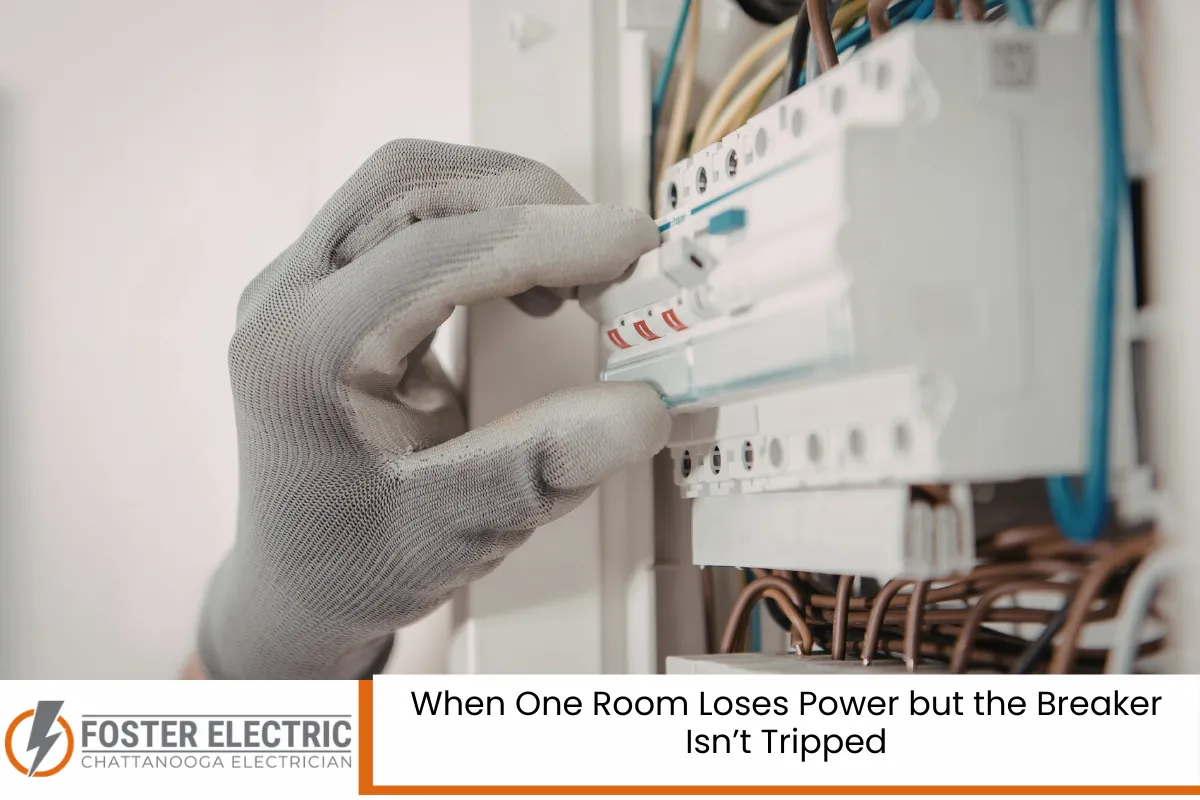
One of the most common scenarios is losing power to a few outlets or a single room while your electrical panel appears normal. Many homeowners assume that if no breaker is flipped, everything must be fine. That’s not always true.
Several issues can interrupt power flow without fully tripping a circuit breaker:
- A tripped GFCI outlet elsewhere in the home
- A loose wire connection
- A failing receptacle
- Backstab wiring that has loosened over time
- A partially tripped breaker that looks “on”
Electrical systems are interconnected. One faulty outlet can affect multiple downstream outlets on the same branch circuit.
GFCI Outlets: The Hidden Culprit in Many Homes
Ground Fault Circuit Interrupter outlets are designed to protect you from electric shock. They’re commonly installed in kitchens, bathrooms, garages, laundry rooms, and outdoor spaces. If one GFCI trips, it can shut off power to other outlets connected to it.
How GFCI Protection Works
GFCI outlets monitor the flow of electricity. If they detect an imbalance—such as electricity flowing through water or a person—they trip instantly to prevent injury. This is required by the National Electrical Code and enforced in Tennessee for specific areas of the home.
What to Check First
If outlets stop working:
- Look for a GFCI outlet nearby.
- Press the “reset” button firmly.
- Check other bathrooms, garages, and exterior outlets.
Sometimes the GFCI controlling your living room outlet may actually be located in a bathroom or garage. If it won’t reset, there may be a deeper wiring issue requiring a licensed electrical contractor.
Circuit Breaker Problems Beyond the Obvious
Even if your breaker doesn’t look tripped, it may still be the problem.
Partially Tripped Breakers
Breakers sometimes move only slightly out of position. They may appear on but are not fully engaged. To reset properly:
- Flip the breaker fully to the “off” position.
- Then switch it back to “on.”
If it trips again immediately, that suggests a short circuit or overloaded circuit.
Overloaded Circuits
Modern homes use more electronics than ever—space heaters, air fryers, gaming systems, charging stations. Plugging too many high-wattage devices into one circuit can overload it.
Signs of overload include:
- Warm outlet covers
- Flickering lights
- Frequent breaker trips
- Burning smell
An electrician can evaluate whether your panel or circuits need upgrading.
Loose or Damaged Wiring Inside the Outlet
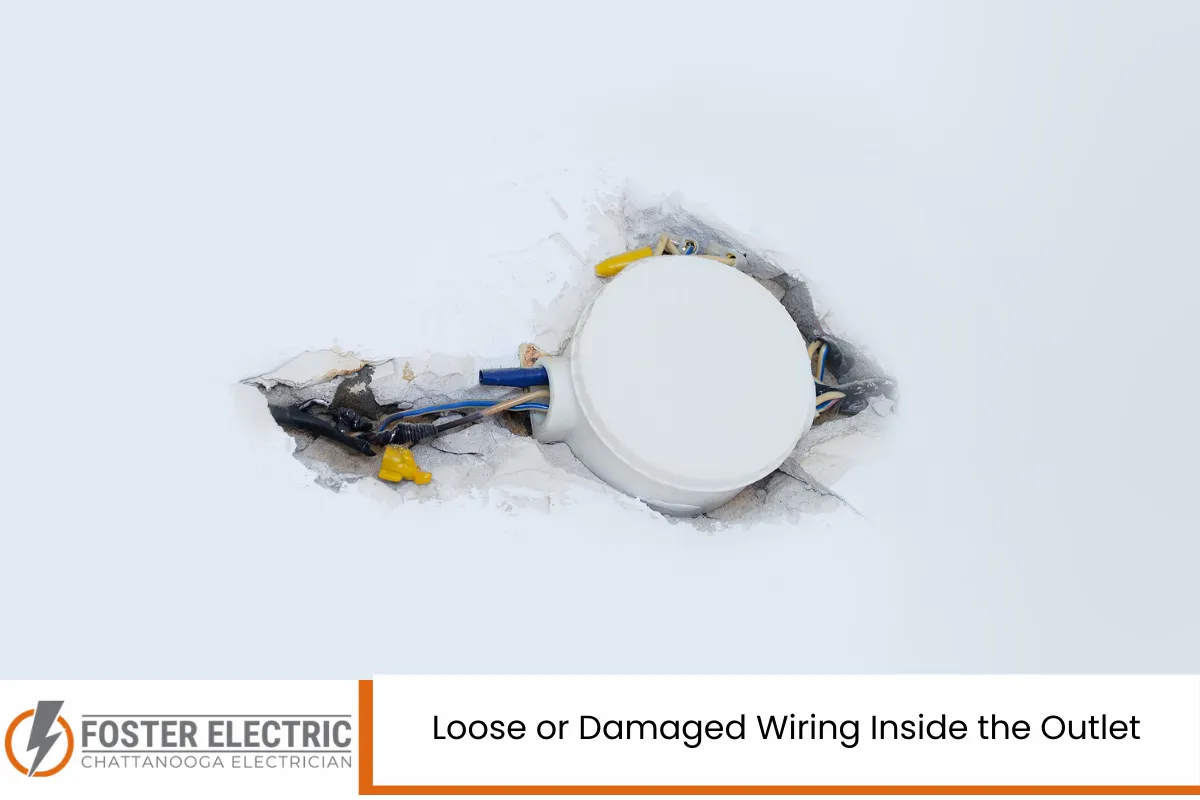
Over time, wiring connections can loosen due to temperature changes and usage. A loose wire creates resistance, which generates heat and disrupts power flow.
Backstab Wiring Issues
Some outlets are installed using “backstab” connections, where wires are pushed into the back rather than secured with screw terminals. These connections can loosen over years of expansion and contraction.
When this happens:
- Power may cut in and out
- Downstream outlets may fail
- You may hear crackling sounds
A qualified electrical contractor can safely inspect and secure wiring connections according to Tennessee building codes.
Burned or Worn-Out Receptacles
Outlets don’t last forever. After years of plugging and unplugging devices, internal contacts can wear out.
Signs of a failing receptacle include:
- Plugs falling out easily
- Visible burn marks
- Discoloration
- Intermittent power
If you see blackening or smell burning plastic, turn off power at the panel immediately and call for electrical service. Damaged outlets can lead to electrical fires.
Open Neutral: A Serious but Common Issue
An open neutral occurs when the neutral wire in a circuit becomes disconnected. This can cause partial power loss or erratic voltage.
You might notice:
- Lights unusually bright or dim
- Some devices working, others not
- Buzzing sounds
Open neutrals require professional troubleshooting with proper voltage testing equipment. Attempting DIY repairs without training can create shock hazards.
AFCI Breakers and Modern Electrical Panels
Arc Fault Circuit Interrupters (AFCIs) are now required in many areas of the home. These breakers detect dangerous arc faults that can cause fires.
If an AFCI trips:
- It may indicate damaged wiring
- It could signal loose connections
- It may detect appliance-related issues
A licensed electrician in East Ridge can diagnose whether the issue is nuisance tripping or a real hazard.
Read East Ridge Electrician: Why Do My Lights Flicker When I Turn on Appliances?
Rodent Damage and Hidden Wiring Problems
In some homes, especially older properties or those with crawl spaces, rodents can chew on wiring. Damaged insulation exposes conductors and disrupts circuits.
Signs include:
- Sudden unexplained outages
- Burning smells
- Tripped breakers
This type of issue requires immediate professional evaluation to prevent fire risks.
Aluminum Wiring in Older Homes
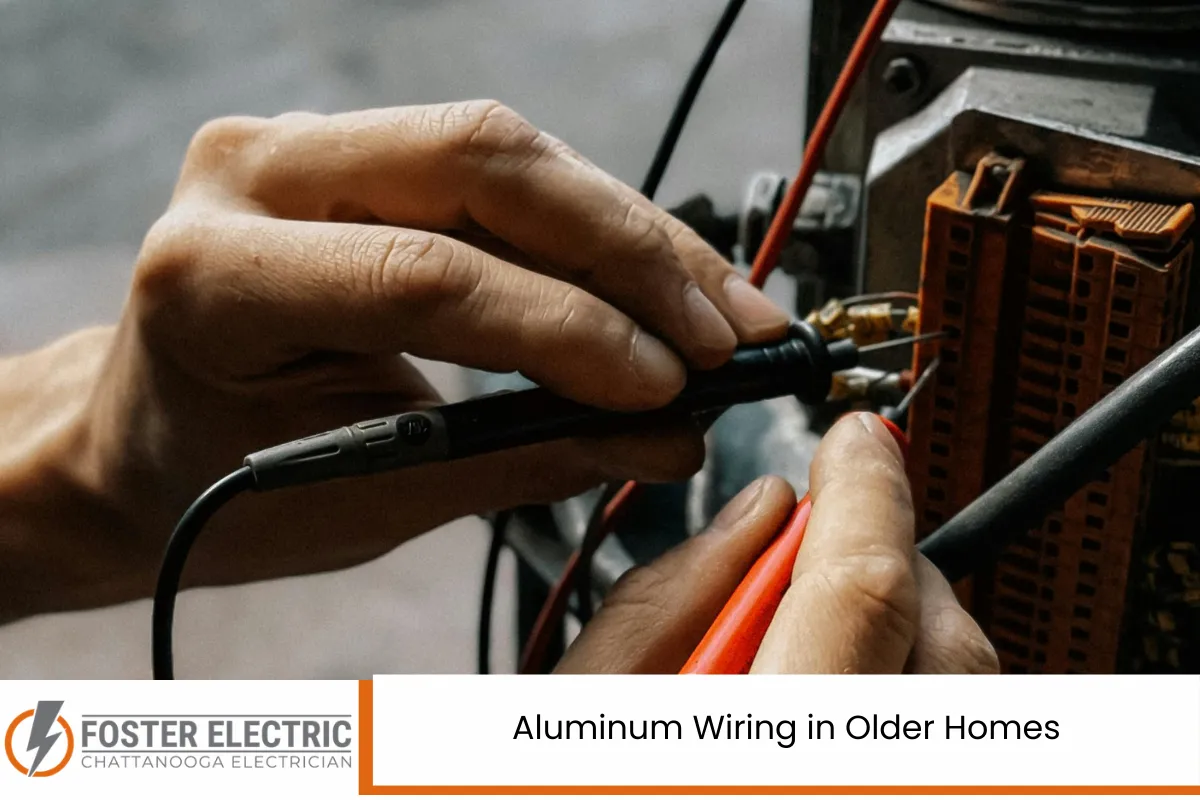
Homes built in the 1960s and early 1970s may contain aluminum wiring. While not inherently unsafe, it expands and contracts more than copper, increasing the risk of loose connections.
If your home in East Ridge was built during that period, have an electrical contractor inspect for:
- Proper terminations
- Approved connectors
- Signs of overheating
Modern standards require specific connectors for aluminum wiring repairs.
Outdoor Outlets and Weather Exposure
Exterior outlets are especially vulnerable to moisture intrusion. Rain, humidity, and temperature swings can corrode connections.
Common issues:
- GFCI tripping after storms
- Rusted terminals
- Damaged weatherproof covers
Outdoor receptacles must meet NEC guidelines and include in-use covers. A professional electrical service ensures compliance and long-term reliability.
Extension Cords and Power Strips Causing Circuit Problems
While convenient, extension cords are not permanent wiring solutions. Overloaded strips can damage outlets over time.
Avoid:
- Daisy-chaining power strips
- Running cords under rugs
- Using indoor cords outdoors
If you rely heavily on extension cords, it may be time for additional outlets installed by a licensed electrician.
Signs You Should Call a Professional Immediately
Contact an electrician if you notice:
- Burning smell
- Smoke
- Warm or hot outlets
- Frequent breaker trips
- Sparking when plugging in devices
- Partial power loss with flickering lights
Electrical systems in Tennessee must comply with state and local building codes. Licensed contractors are trained to perform repairs safely and legally.
Tennessee Electrical Licensing and Safety Standards
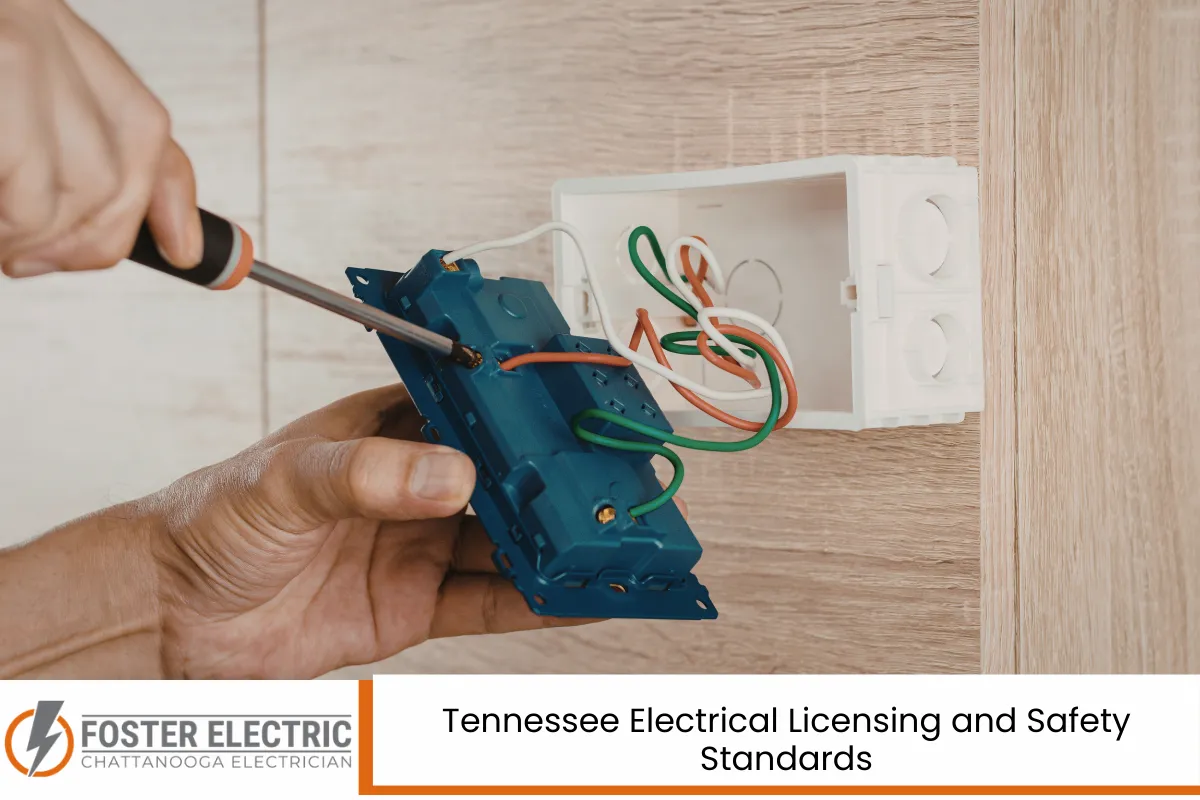
In Tennessee, electricians performing residential work must hold proper licensing. Electrical installations must follow the adopted National Electrical Code standards. In Hamilton County and East Ridge, inspections are typically required for major electrical work.
Hiring a qualified electrical contractor ensures:
- Work meets code requirements
- Permits are obtained when necessary
- Insurance protection
- Safe, long-term repairs
Unlicensed work can void homeowners insurance and create serious hazards.
Troubleshooting Checklist Before Calling
You can safely check:
- Reset all GFCI outlets.
- Reset the breaker properly.
- Test the outlet with a different device.
- Look for visible damage.
Do not remove outlet covers or access wiring unless you are trained and the power is verified off with proper testing tools.
Preventing Future Outlet Failures
Prevention saves money and stress.
Schedule Periodic Electrical Inspections
Especially if:
- Your home is over 20 years old
- You’ve added major appliances
- You experience repeated electrical issues
Upgrade Outdated Panels
Older panels may struggle with today’s electrical demand. An upgraded service panel improves safety and reliability.
Install Surge Protection
Whole-home surge protectors guard against voltage spikes from storms or utility issues.
Avoid Overloading Circuits
Spread high-wattage appliances across different circuits.
Electrical Problems Don’t Fix Themselves
If outlets stop working in parts of your house, it’s rarely random. Electrical systems are carefully designed networks. A single loose connection or tripped device can interrupt power flow. The key is identifying the root cause safely and correctly.
Ignoring outlet issues can lead to worsening problems, including fire hazards and costly damage. Professional diagnosis ensures the issue is corrected at its source.
East Ridge Electrician – Foster Electric
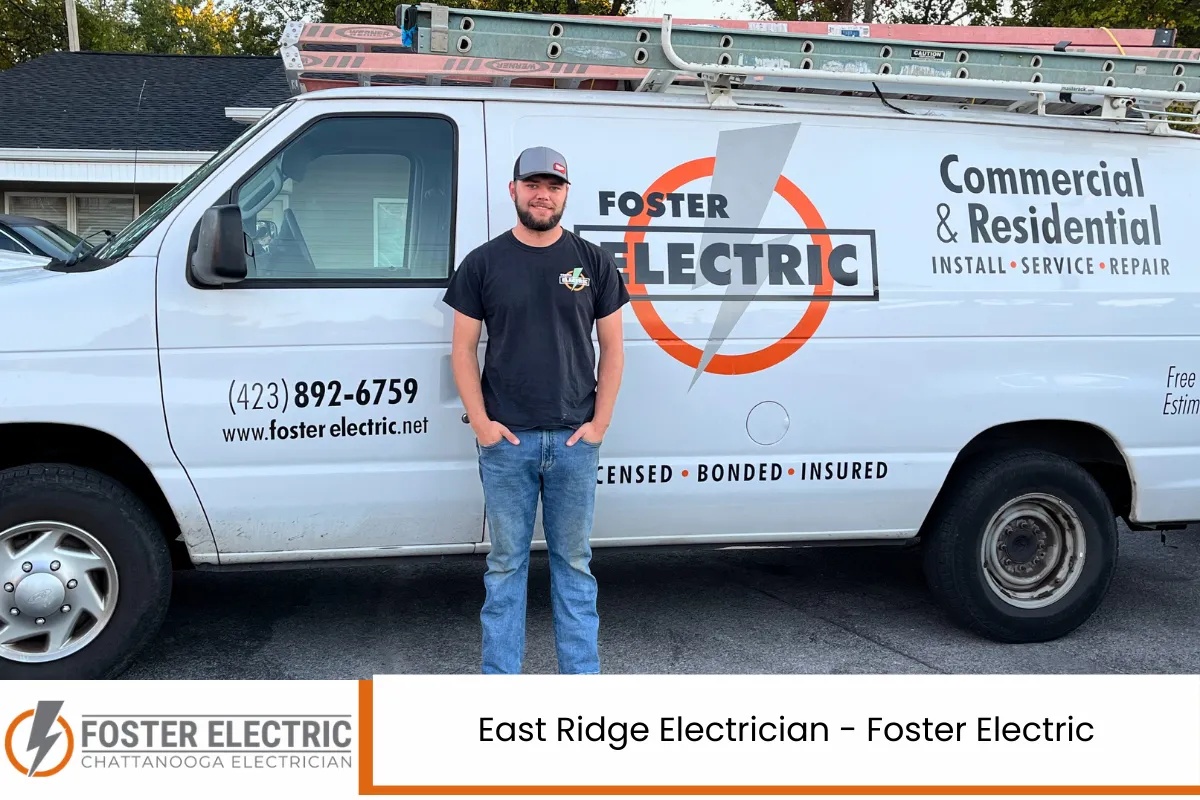
When outlets stop working in your home, we know how disruptive it can be. At Foster Electric, we provide dependable electrical service throughout East Ridge, Tennessee and the surrounding areas. As a trusted electrician, we take the time to diagnose the real cause—whether it’s a tripped GFCI, damaged wiring, or a panel issue.
Our team handles residential troubleshooting, outlet replacements, breaker repairs, panel upgrades, and complete electrical inspections. We follow Tennessee codes and prioritize your safety with every job. If you’re experiencing partial power loss or recurring electrical problems, call us at (423) 826-7270 or fill out our contact form today. We’re ready to restore safe, reliable power to your home.
Frequently Asked Questions
1. Can a bad appliance cause multiple outlets to stop working?
Yes, a faulty appliance can trip a breaker or GFCI and shut off multiple outlets on the same circuit. If the appliance has an internal short or ground fault, it can disrupt power flow instantly. Even after unplugging the device, you may need to reset the breaker or GFCI outlet to restore power. If plugging the appliance back in causes the problem again, stop using it immediately. Continued use could damage wiring or create a fire hazard. An electrician can test the circuit and confirm whether the appliance or wiring is at fault.
2. Why do my outlets work sometimes and then stop?
Intermittent outlet performance often indicates a loose connection somewhere in the circuit. As wires expand and contract with temperature changes, a weak connection may temporarily reconnect and disconnect. This is common with aging receptacles or backstabbed wiring. Intermittent power should never be ignored because loose connections create heat buildup. Heat increases the risk of electrical fires behind walls where damage may not be visible. A professional inspection can pinpoint the unstable connection and permanently resolve the issue.
3. Is it dangerous if only half of my house loses power?
Yes, partial power loss can signal a serious wiring issue, especially if it involves voltage imbalance. In some cases, a damaged service line or open neutral connection can cause uneven voltage distribution. This may damage appliances and electronics quickly. If lights appear unusually bright in one area and dim in another, turn off sensitive devices and contact an electrical contractor immediately. Quick action can prevent extensive damage to HVAC systems, refrigerators, and other major equipment.
4. How long do electrical outlets typically last?
Most residential outlets last 15 to 25 years under normal use. However, heavy usage, frequent plugging and unplugging, or high-load devices can shorten their lifespan. Environmental factors such as humidity or poor installation also affect durability. If outlets feel loose, show discoloration, or fail to hold plugs securely, replacement is recommended. Modern outlets also offer improved safety features compared to older models, making upgrades beneficial for both performance and protection.
5. Should I upgrade to tamper-resistant outlets?
Tamper-resistant outlets are now required in most areas of new residential construction under current electrical code standards. They contain internal shutters that prevent foreign objects from being inserted. Even in older homes, upgrading to tamper-resistant receptacles improves safety, especially in households with children. Installation must follow code guidelines to ensure proper grounding and secure connections. An electrician can upgrade your outlets efficiently and verify that your wiring system supports modern safety features.
Important Notice: This article is for informational purposes only and does not replace professional electrical advice or inspection. Electrical work should be performed by a properly licensed electrician in accordance with Tennessee state and local building codes. Always consult a qualified professional for diagnosis and repairs.
Read East Ridge Electrician: What Should I Do if I Smell Burning From an Outlet?