
A Chattanooga Electrician is often the first professional homeowners call when upgrading to a smart thermostat like Nest or Ecobee—but many people aren’t sure if that’s the right move. You want lower energy bills, remote control from your phone, and better comfort. But once you remove your old thermostat and see unfamiliar wiring, confusion sets in. Is it low voltage? Do you need a C-wire? Could you damage your HVAC system?
That uncertainty leads many homeowners to second-guess themselves. A wiring mistake can cause short circuits, blown fuses, or even expensive HVAC repairs.
The good news? Yes, a qualified electrician can install smart thermostats safely and correctly—especially when wiring updates or code compliance are involved.
Why Smart Thermostats Are So Popular in Chattanooga Homes
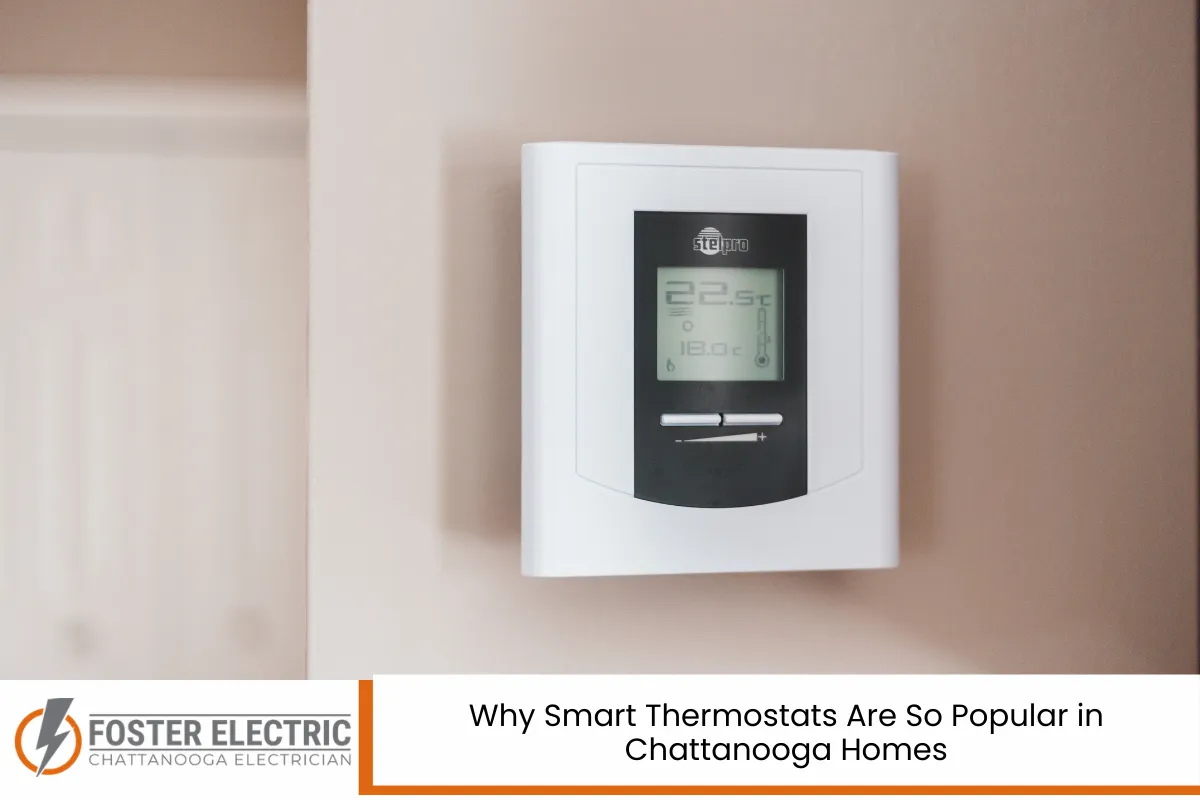
Smart thermostats like Nest and Ecobee have become common upgrades in residential properties across Chattanooga and surrounding areas. With fluctuating Tennessee weather—humid summers and chilly winters—efficient heating and cooling control matters.
Modern smart thermostats offer:
- Wi-Fi connectivity
- Learning capabilities that adjust to your habits
- Energy usage reports
- Remote access via smartphone apps
- Integration with smart home systems
Homeowners looking to improve energy efficiency and reduce monthly utility costs often start with thermostat upgrades. However, not every system is “plug-and-play.”
Can an Electrician Install a Smart Thermostat?
Yes. A licensed electrician can install a smart thermostat, especially when electrical modifications are required.
While thermostat wiring is typically low voltage (24 volts), there are situations where professional electrical service is strongly recommended:
- No existing C-wire (common wire)
- Old or damaged wiring
- Aluminum wiring concerns
- Electrical panel upgrades
- New circuit requirements
- Smart home hub integration
A residential electrician has the training to evaluate wiring, confirm voltage, ensure grounding, and verify that the installation complies with Tennessee building codes and the National Electrical Code (NEC).
When HVAC Technicians vs. Electricians Handle Installation
Homeowners often ask whether to call an HVAC company or an electrician. The answer depends on the situation.
When HVAC Handles It
If you’re replacing a thermostat on a newer system and the wiring is already compatible, an HVAC technician may complete the installation quickly.
When an Electrician Is the Better Choice
An electrician is ideal when:
- You need new wiring run behind walls
- Your home lacks a C-wire
- The breaker panel requires inspection
- There are tripped breakers or electrical issues
- You’re integrating multiple smart home devices
An electrical contractor can safely modify or extend wiring, ensuring your thermostat installation doesn’t interfere with other systems.
Understanding the C-Wire and Why It Matters
Many Nest and Ecobee models require a C-wire to provide continuous power. Older homes in Chattanooga often lack this wire.
Without a C-wire:
- The thermostat may lose power
- The HVAC system can short cycle
- Error codes may appear
A licensed electrician can:
- Run a new 18/5 thermostat cable
- Install a C-wire adapter
- Evaluate transformer compatibility
- Ensure safe low-voltage connections
Running new wiring may require attic or crawl space access—something best handled by a trained professional.
Electrical Code Considerations in Chattanooga, Tennessee
In Chattanooga, electrical work must comply with locally adopted building codes based on the National Electrical Code. While replacing a thermostat may not always require a permit, electrical modifications sometimes do.
An experienced electrical contractor understands:
- Local inspection requirements
- Grounding standards
- Proper low-voltage separation
- Safe breaker panel practices
Homeowners attempting DIY installations sometimes overlook bonding requirements or proper wire termination. Hiring a professional ensures the electrical service meets local safety standards.
Common Smart Thermostat Installation Challenges
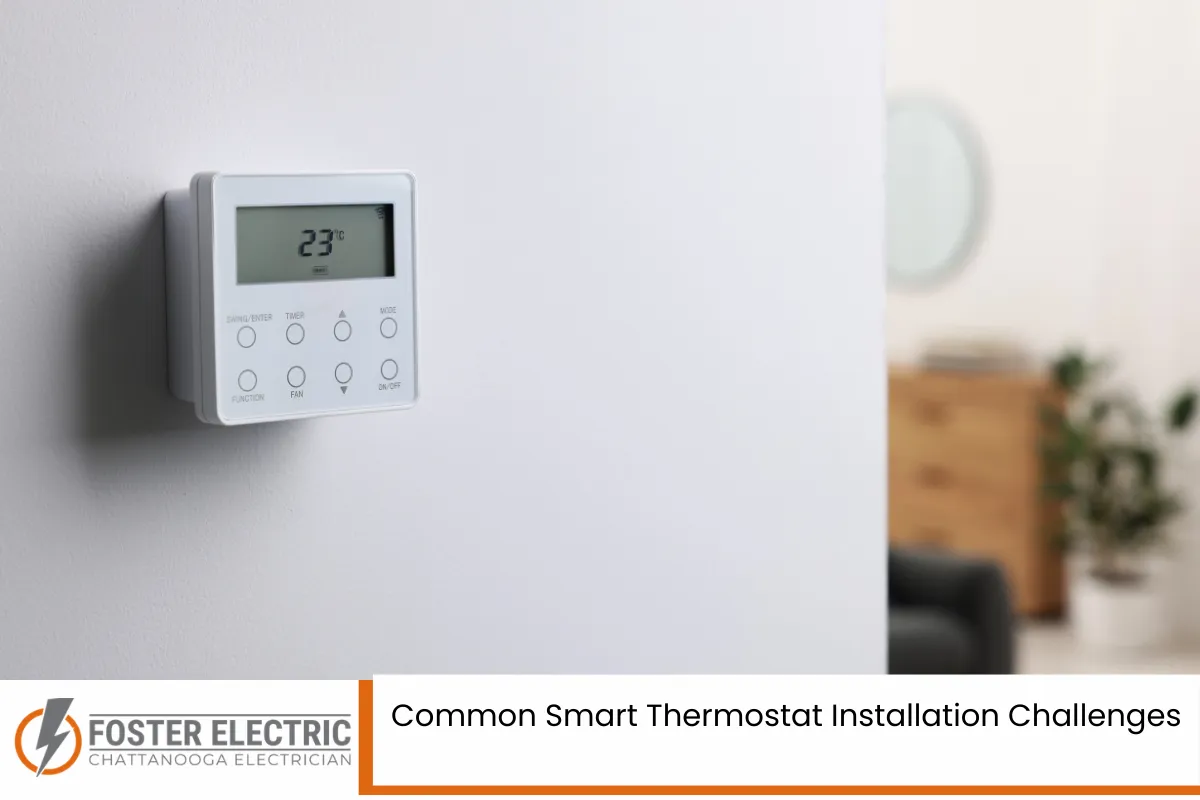
Not every installation is straightforward. Below are common issues seen in residential properties:
Incompatible HVAC Systems
Some older heat pumps or multi-stage systems require specific thermostat configurations.
Incorrect Wire Labeling
Previous installations may have mislabeled wires, causing confusion.
Voltage Mismatch
Smart thermostats require 24V systems. Line-voltage thermostats (120V or 240V) are entirely different and must be handled carefully.
Weak Wi-Fi Signal
Placement affects connectivity. An electrician may help assess optimal placement during installation.
Electrical Panel Issues
If breakers trip during installation, it could indicate underlying electrical concerns requiring further evaluation.
Read Can a Residential Chattanooga Electrician Install USB Outlets?
The Benefits of Hiring a Licensed Residential Electrician
Working with a licensed residential electrician offers advantages beyond just installation.
- Ensures wiring is secure and code-compliant
- Prevents short circuits
- Reduces risk of damaging HVAC equipment
- Confirms compatibility before installation
- Provides peace of mind
Electricians carry proper insurance and licensing required by Tennessee law. That protection matters if issues arise later.
Step-by-Step Overview of Professional Installation
Here’s what typically happens when an electrician installs a smart thermostat:
- Power shut off at breaker
- Old thermostat removed
- Voltage tested for safety
- Wires labeled and inspected
- C-wire verification or installation
- Mounting bracket secured
- New thermostat connected
- Power restored
- System tested for heating and cooling cycles
- Wi-Fi setup and calibration
The entire process usually takes 1–2 hours, depending on wiring complexity.
Smart Thermostats and Energy Efficiency in Tennessee
The Tennessee Valley Authority (TVA) promotes energy efficiency programs encouraging smart upgrades. Smart thermostats can help reduce HVAC runtime by automatically adjusting when you’re away.
Features that improve efficiency include:
- Geofencing
- Learning algorithms
- Energy history tracking
- Utility rebate compatibility
Proper installation ensures accurate temperature readings and reliable performance.
Is DIY Installation Safe?
Some homeowners successfully install smart thermostats themselves. However, risks increase when:
- Wiring colors don’t match manuals
- There is no C-wire
- The HVAC system is multi-stage
- The breaker panel is outdated
Improper wiring can blow low-voltage fuses inside the HVAC control board. Repairing that damage often costs more than hiring a professional in the first place.
Cost to Install a Smart Thermostat in Chattanooga
Costs vary depending on complexity.
Typical price factors include:
- Wiring updates
- C-wire installation
- Wall patching
- Panel adjustments
- Smart home integration
In many cases, professional installation ranges between $150 and $400. Extensive wiring or panel work may increase the total cost.
Always request a clear estimate from a qualified electrician before proceeding.
What to Look for in a Qualified Electrical Contractor
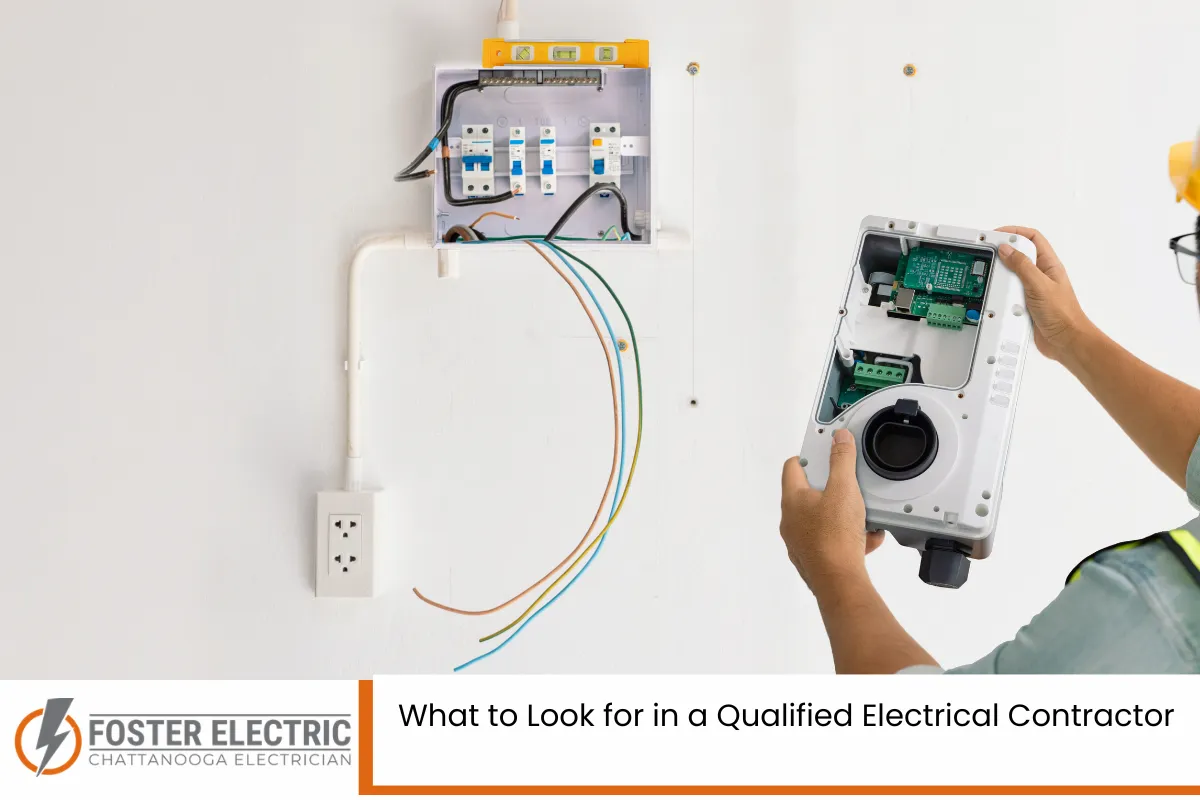
Not all contractors have equal experience with smart home devices.
Before hiring, confirm:
- Valid Tennessee electrical license
- Liability insurance
- Experience with smart thermostats
- Familiarity with Nest and Ecobee systems
- Knowledge of local building codes
Ask about warranty coverage on workmanship. A reputable electrical service provider stands behind their work.
Smart Home Integration Opportunities
Once a smart thermostat is installed, many homeowners expand their systems.
An electrician can assist with:
- Smart lighting controls
- Whole-home surge protection
- Smart outlets
- EV charger installation
- Panel upgrades
Integrating multiple devices often requires coordinated electrical planning to avoid circuit overloads.
Signs You Should Call an Electrician Immediately
After installation, watch for warning signs:
- HVAC won’t turn on
- Breaker keeps tripping
- Burning smell
- Display not powering up
- Erratic temperature readings
These issues may indicate wiring problems that require professional attention.
Long-Term Maintenance Considerations
Smart thermostats require minimal maintenance, but periodic checks help maintain performance.
- Keep firmware updated
- Check wiring annually
- Inspect breaker connections
- Monitor energy reports
If your home undergoes renovations, consult a residential electrician before modifying circuits connected to your HVAC system.
Final Takeaway: Yes, a Chattanooga Electrician Can Install Smart Thermostats
If you’re wondering whether a Chattanooga Electrician installs smart thermostats like Nest or Ecobee, the answer is yes—especially when wiring updates or electrical modifications are required. While some installations are simple, others involve code compliance, panel considerations, and compatibility checks that go beyond basic DIY tasks.
Hiring a licensed professional ensures your thermostat works correctly, safely, and efficiently. Whether you’re upgrading for convenience or energy savings, professional electrical service gives you peace of mind and protects your HVAC investment.
Chattanooga Electrician – Foster Electric
At Foster Electric, we provide professional electrician services throughout Chattanooga, Tennessee and the surrounding areas. If you’re upgrading to a smart thermostat like Nest or Ecobee, we ensure it’s installed safely and correctly. Our licensed residential electrician team handles wiring upgrades, C-wire installation, breaker panel evaluations, and complete electrical service solutions.
We understand local codes and follow Tennessee safety standards on every job. Whether you need a quick thermostat replacement or a more complex electrical contractor service, we’re ready to help. Call us at (423) 892-6759 to schedule your appointment or fill out our contact form online. We take pride in delivering dependable service, honest pricing, and lasting workmanship. Let Foster Electric power your next upgrade.
Frequently Asked Questions
1. Do smart thermostats work during a power outage?
Smart thermostats rely on your home’s electrical system. During a power outage, they will not function because the HVAC system also loses power. Some models retain settings and schedules internally, so once power is restored, they resume normal operation automatically. However, Wi-Fi features won’t work without internet service. If outages are common in your area, installing a standby generator or whole-home surge protection through a licensed electrician can help maintain system reliability and protect sensitive electronics.
2. Can a smart thermostat increase my home’s resale value?
Yes, smart home upgrades are attractive to many buyers. Energy-efficient features like programmable thermostats signal modern updates and lower utility costs. While it may not dramatically increase appraisal value on its own, it can improve buyer perception and marketability. A properly installed device by a qualified electrical contractor also reassures buyers that the work was completed safely and according to code, which adds confidence during inspections.
3. Are there rebates available in Tennessee for smart thermostats?
Utility rebate programs occasionally offer incentives for installing energy-efficient devices. Availability can change depending on the provider and the time of year. Some programs require professional installation and proof of purchase. Checking with your local utility company or energy provider can clarify current offers. A residential electrician familiar with energy efficiency programs can often guide homeowners through eligibility requirements and documentation.
4. How long do smart thermostats typically last?
Most smart thermostats last around 8–10 years, depending on usage and firmware updates. Because they contain electronic components, lifespan depends on voltage stability and surge protection. Installing whole-home surge protection through an electrical service professional can extend the life of smart devices by protecting them from voltage spikes caused by storms or grid fluctuations.
5. Will a smart thermostat work with zoned HVAC systems?
Yes, but compatibility depends on how the zoning system is wired. Zoned systems use dampers controlled by a central panel, and not all thermostats integrate seamlessly. Installation may require configuration adjustments or additional wiring. A qualified electrician can review your zoning control board and confirm compatibility before installation to prevent operational issues.
Disclaimer: This article is for informational purposes only and does not replace professional electrical advice. Always consult a licensed electrician in Chattanooga, Tennessee for work involving wiring, breaker panels, or HVAC electrical components.
Read Residential Electrician in Chattanooga, TN: Are LED Light Upgrades Worth the Cost?