
When Power Keeps Cutting Off and Frustration Builds
East Ridge Electrician is often the phrase homeowners search when their circuit breaker trips again and again with no clear explanation. The problem usually starts small—lights flicker, outlets stop working, or appliances shut off unexpectedly. Over time, these interruptions create stress, safety concerns, and uncertainty about whether your home’s electrical system can handle daily demands. Frequent breaker trips aren’t just annoying; they can signal overloaded circuits, faulty wiring, or aging electrical panels. Ignoring the issue can increase the risk of electrical fires or damaged equipment. The solution is understanding what causes these trips and knowing when professional electrical services are needed to restore safety, reliability, and peace of mind.
Why Circuit Breakers Are Designed to Trip
Circuit breakers act as protective devices within your electrical panel. Their role is to stop the flow of electricity when something goes wrong. Instead of allowing wires to overheat or appliances to fail, the breaker shuts off power automatically.
A breaker typically trips for three core reasons:
- Too much electrical load on a circuit
- A short circuit or ground fault
- Internal breaker failure
This safety mechanism is required under the National Electrical Code, which Tennessee follows with state and local amendments. Tripping is not a malfunction by itself—it is a warning sign that something needs attention.
Overloaded Circuits and Modern Electrical Demand
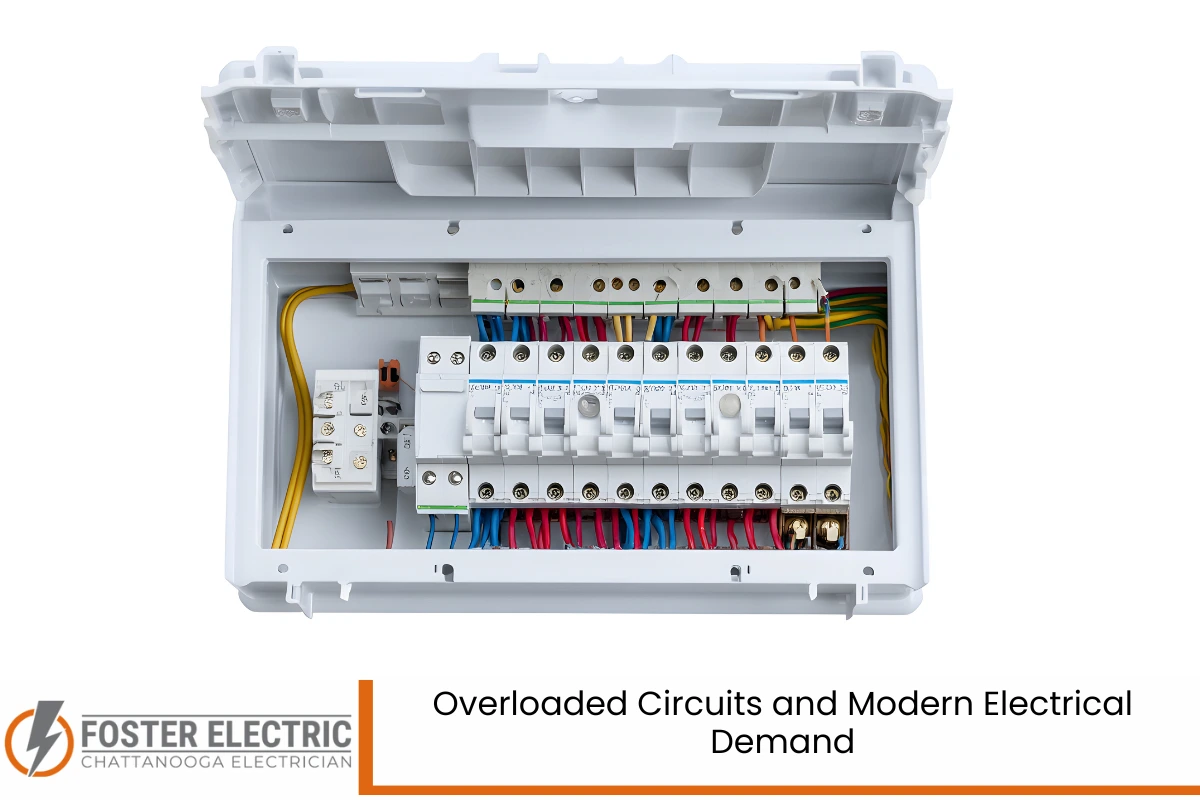
How Everyday Devices Push Systems Too Far
Many homes were wired decades ago, long before today’s high-demand electronics. When multiple devices draw power from the same circuit, the total load can exceed its capacity.
Common contributors include:
- Space heaters and portable AC units
- Microwaves and air fryers
- Hair dryers and curling irons
- Home office equipment
When too many of these operate simultaneously, the circuit overheats, and the breaker trips to prevent damage.
Warning Signs of an Overloaded Circuit
- Breaker trips only when certain appliances run
- Warm outlets or switch plates
- Dimming lights when devices turn on
An electrician can rebalance loads, add dedicated circuits, or upgrade the panel to better support modern usage.
Short Circuits and Why They’re More Serious
What Happens During a Short Circuit
A short circuit occurs when a hot wire touches a neutral or another hot wire. This creates a sudden surge of current, causing the breaker to trip instantly.
Short circuits can result from:
- Damaged wire insulation
- Loose connections
- Faulty appliances
- Rodent damage inside walls
Unlike overloads, short circuits pose a higher fire risk and should never be ignored.
Signs That Point to a Short Circuit
- Burning smell near outlets
- Scorch marks on receptacles
- Breaker trips immediately when reset
Professional electrical services are essential here, as diagnosing hidden wiring issues requires training and proper tools.
Ground Faults in Moist or Outdoor Areas
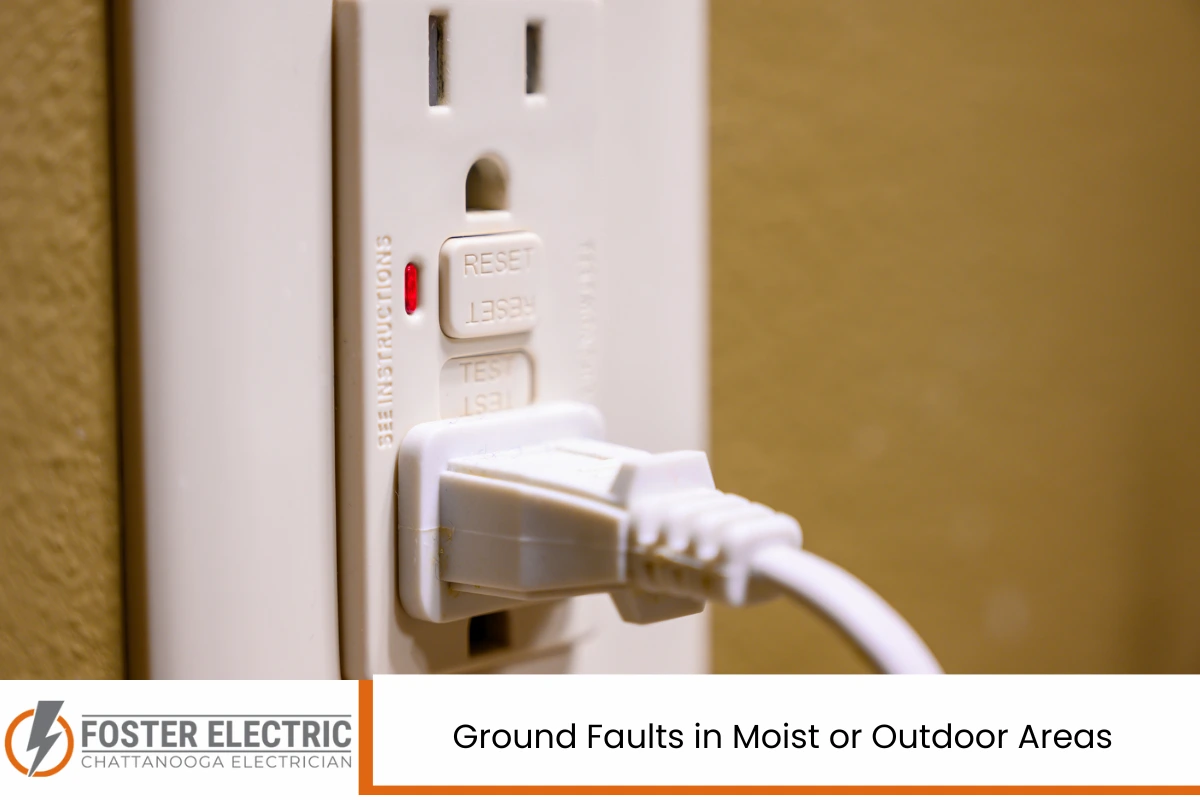
Why Ground Faults Occur
Ground faults happen when electricity escapes its intended path and flows into the ground. These are especially common in:
- Kitchens
- Bathrooms
- Garages
- Outdoor outlets
Water exposure, damaged cords, or faulty devices can trigger this condition.
Role of GFCI Protection
Ground Fault Circuit Interrupters are required in specific areas by code. They shut off power in milliseconds to prevent shock. If a breaker trips when using outlets near water, a ground fault may be present.
An electrician can test GFCI outlets, repair wiring, and ensure compliance with East Ridge safety standards.
Aging Electrical Panels and Breaker Wear
When the Panel Itself Becomes the Problem
Circuit breakers are mechanical devices that wear out over time. In older homes, panels may no longer meet current electrical demands or safety expectations.
Potential issues include:
- Breakers that trip too easily
- Corrosion inside the panel
- Limited space for additional circuits
Outdated panels may also lack modern safety features, increasing the risk of failure.
Signs a Panel Upgrade May Be Needed
- Frequent unexplained trips
- Crackling sounds from the panel
- Burning odors
- Visible rust or heat damage
Upgrading an electrical panel must follow Tennessee regulations and local permitting requirements, making professional installation essential.
Read East Ridge Electrician: What Should I Do if I Smell Burning From an Outlet?
Faulty Appliances and Hidden Electrical Issues
How Appliances Can Trigger Breaker Trips
Sometimes the issue isn’t your wiring but the appliance itself. Internal shorts, worn cords, or failing motors can draw excessive current.
Common culprits include:
- Refrigerators
- Washing machines
- Dishwashers
- Window air conditioners
Testing appliances individually can help isolate the problem, but a licensed electrician can confirm whether the issue lies with the device or the circuit.
Wiring Problems Inside Walls and Ceilings
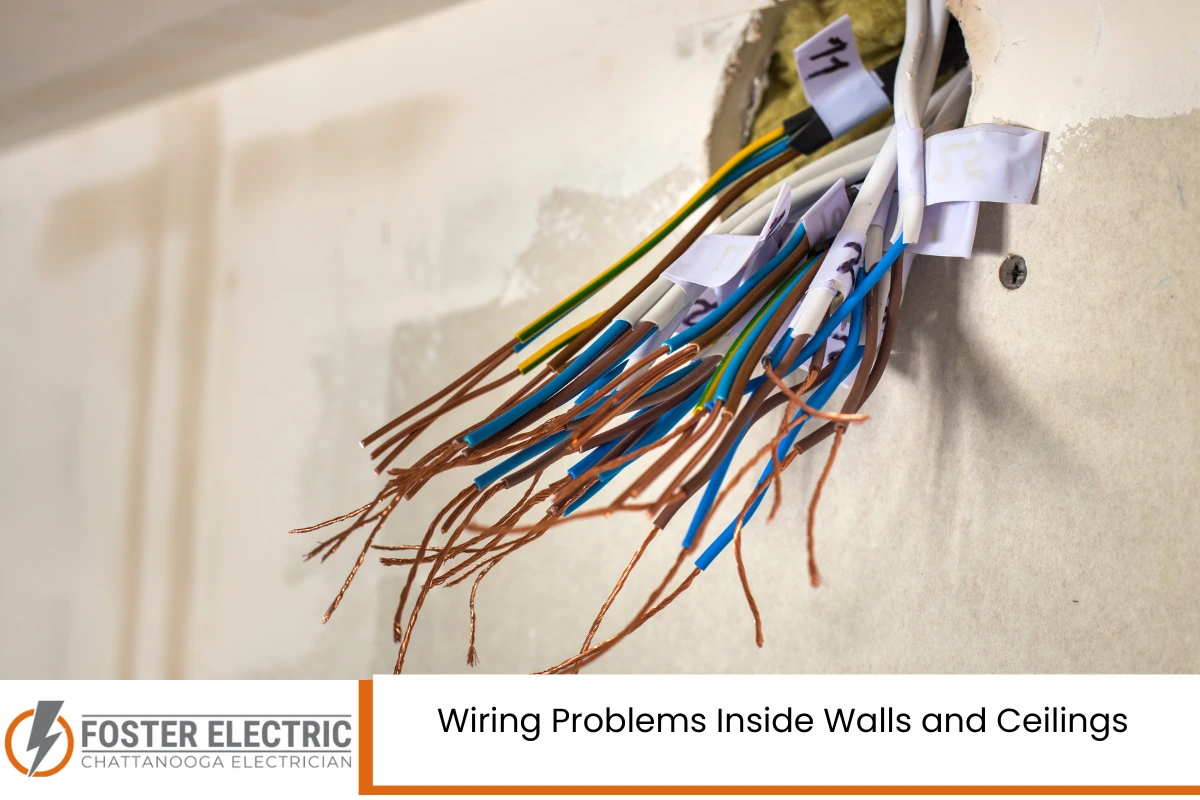
The Risks of Aging or Improper Wiring
Homes with older wiring systems may experience insulation breakdown, loose connections, or outdated materials. These issues often remain hidden until a breaker starts tripping.
Causes include:
- Natural aging of materials
- Poor workmanship from past repairs
- DIY electrical modifications
Because these hazards are not visible, professional diagnostics are critical for long-term safety.
When Breaker Trips Become a Safety Concern
Frequent circuit breaker trips should never be dismissed as a nuisance. They are early indicators of potential hazards that can escalate quickly.
Ignoring repeated trips can lead to:
- Electrical fires
- Shock hazards
- Damage to appliances
- Reduced property value
Timely electrical services help identify root causes and restore dependable power throughout the home.
Practical Steps Homeowners Can Take Before Calling
While professional help is often required, homeowners can safely take a few initial steps:
- Note which breaker trips and when
- Unplug devices on the affected circuit
- Reset the breaker once
- Avoid repeated resets if it trips again
If the problem continues, it’s time to involve an electrician to prevent further risk.
Common Misconceptions About Circuit Breaker Trips
“It’s Normal, So I’ll Ignore It”
Occasional trips can happen, but frequent ones are not normal and indicate underlying problems.
“A Bigger Breaker Will Fix It”
Installing a higher-rated breaker without addressing wiring capacity is dangerous and violates electrical codes.
“DIY Fixes Are Enough”
Electrical systems are complex. Incorrect repairs can worsen hazards and lead to costly damage.
A Final Word on Electrical Safety and Reliability
Circuit breakers are designed to protect homes, but frequent trips mean something needs attention. Whether the cause is overloaded circuits, faulty wiring, or aging equipment, addressing the issue early prevents serious risks. Professional electrical services ensure repairs meet current codes and provide lasting safety for your household.
East Ridge Electrician – Foster Electric
Foster Electric provides trusted electrical services for homeowners and businesses in East Ridge, Tennessee. When circuit breakers trip repeatedly, their experienced electrician team focuses on identifying the real cause, not just resetting the switch. From overloaded circuits and faulty appliances to panel upgrades and wiring repairs, Foster Electric delivers solutions that meet current safety codes and local regulations. Every service call is handled with care, clear communication, and attention to long-term reliability. If your power keeps shutting off or you’re concerned about electrical safety, contact Foster Electric today. Call (423) 826-7270, visit their website, or fill out the contact form to schedule professional service with a local electrician you can trust.
Frequently Asked Questions
Why does my breaker trip even when nothing is plugged in?
If a breaker trips without any visible load, the issue may be internal wiring damage or a failing breaker. Hidden problems such as insulation breakdown, loose connections, or moisture intrusion can cause intermittent faults. These issues are difficult to diagnose without specialized testing equipment. A licensed electrician can trace the circuit, inspect junction boxes, and determine whether the breaker or wiring needs repair or replacement.
Is it dangerous to keep resetting a tripped breaker?
Yes. Repeatedly resetting a breaker without fixing the underlying problem can allow wires to overheat. Each trip is a warning that something is wrong. Ignoring it increases the risk of fire, shock, or appliance damage. Electrical codes emphasize correcting the cause, not bypassing the protection. If a breaker trips more than once, professional evaluation is recommended.
Can weather or humidity cause breaker problems?
Moisture can affect outdoor outlets, service panels, and exposed wiring. Heavy rain or high humidity may introduce ground faults or corrosion that triggers breaker trips. This is especially common in garages, basements, and exterior circuits. Proper sealing, GFCI protection, and weather-rated components installed by an electrician help reduce weather-related electrical issues.
How long do circuit breakers usually last?
Most circuit breakers last 30 to 40 years, depending on usage and environmental conditions. Frequent tripping, heat exposure, or corrosion can shorten their lifespan. Older breakers may become overly sensitive or fail to trip when needed. Routine inspections help determine when replacement is safer than continued use.
Will adding more outlets stop breaker trips?
Adding outlets alone does not reduce electrical load. In fact, it can worsen the problem if the circuit remains overloaded. The real solution is adding new circuits or redistributing power demand. An electrician evaluates total load requirements and designs a system that safely supports your home’s needs.
Disclaimer: This article is for general informational purposes only and does not replace professional electrical advice. Electrical work should be performed by a licensed electrician in compliance with East Ridge, Tennessee regulations and applicable electrical codes.
Read East Ridge Electrician: Can Electricians Handle Data and Network Cabling?