
Saving energy at home is not just about turning off lights. Sometimes, hidden electrical problems can waste a lot of power without you even realizing it! Knowing the common electrical issues that waste energy — and when it’s time to call a professional electrician — can help you lower your bills and keep your home safe.
Let’s dive into what to watch for and how the right help can make a big difference.
Why Electrical Issues Can Lead to Energy Waste
When something is wrong with your home’s electrical system, it doesn’t just create safety risks — it often wastes electricity too.
Here’s why:
- Loose wires, damaged outlets, and overloaded circuits can cause energy to leak without being used properly.
- Devices that are left plugged in, even when they’re off, draw small amounts of energy, called phantom loads.
- Old or broken breaker panels struggle to manage electrical load efficiently, leading to higher electricity bills.
Even minor problems can grow over time, leading to bigger issues and power surges that damage electronics.
Common Electrical Issues That Waste Energy
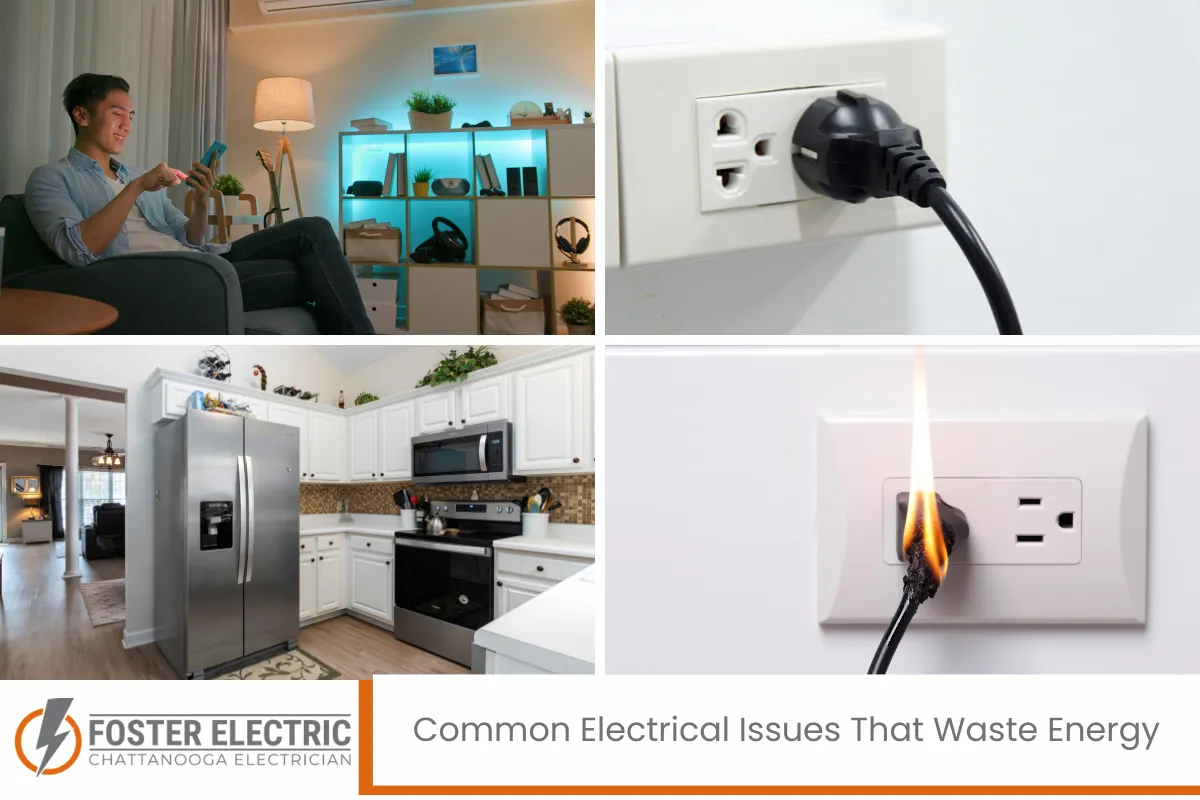
Here are the most common problems you should watch for:
1. Loose or Damaged Wiring
Loose connections and damaged electrical wires cause uneven electricity flow, making your devices work harder. This not only wastes energy but also increases the risk of electrical fires. If you notice flickering lights or hear buzzing sounds from walls, it’s time to call a licensed electrician.
2. Faulty Outlets and Switches
Broken or worn-out electrical outlets and light switches don’t deliver power properly. Sometimes they even leak electricity into surrounding areas, creating phantom loads.
If your outlets feel warm or your switches don’t click properly, it’s a potential hazard that needs professional repair.
3. Outdated or Overloaded Electrical Panels
Older homes often have breaker panels that aren’t designed to handle today’s high power requirements.
When a panel is outdated, it can:
- Cause power surges.
- Overload circuits easily.
- Waste energy by not distributing it efficiently.
A breaker box replacement by a skilled electrician improves safety and saves energy.
4. Overloaded Circuits
Plugging too many electronic devices into one outlet causes circuit overloads.
This doesn’t just trip breakers — it forces circuits to work harder than they should, wasting power and increasing fire risks.
Professional electricians can install additional outlets to balance your home’s electrical load safely.
5. Inefficient Lighting Systems
Still using traditional lighting like old bulbs?
Incandescent bulbs use much more energy than modern LED lighting.
Upgrading to energy-saving bulbs is one of the easiest ways to improve energy efficiency immediately and lower your electric bill.
6. Phantom Loads from Standby Devices
When you leave TVs, chargers, or coffee makers plugged in all the time, they keep using electricity even when they seem off.
Solutions:
- Unplug unused devices.
- Install smart plugs to cut phantom loads automatically.
Stopping these invisible drains can lead to big savings over time!
7. Malfunctioning Major Appliances
If your refrigerator, air conditioner, or hot water heater is older or faulty, it could be using double the energy it should.
Signs include:
- Loud noises.
- Longer running times.
- Higher energy bills without increased usage.
A team of experts can inspect and recommend energy-efficient upgrades for better performance.
8. Ground Faults and Short Circuits
Improper grounding causes electricity to move unpredictably, wasting energy and creating serious dangers.
Short circuits happen when electrical flow takes a shortcut, causing overheating and damage.
These issues need professional electrical troubleshooting to prevent power losses and potential fires.
Signs You Need to Call a Professional Electrician
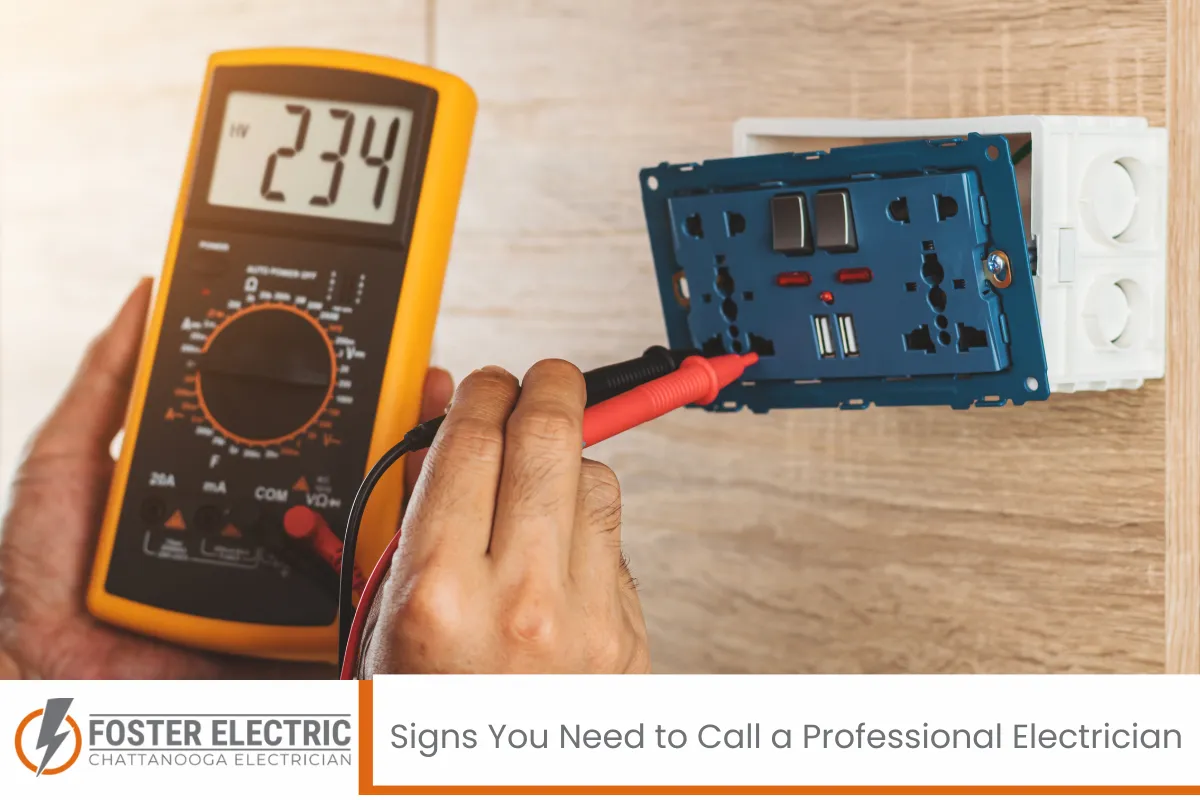
Sometimes the warning signs are easy to spot.
Here’s when you should call a professional electrician right away:
- Flickering lights, even after changing bulbs.
- Outlets or switches that are hot to the touch.
- Burning smells near outlets or panels.
- Breaker trips happening frequently.
- Getting a shock or tingling feeling when touching appliances.
- Skyrocketing electric bills with no clear reason.
Ignoring these signs risks expensive repairs and bigger problems like electrical fires or complete power outages.
How a Professional Electrician Can Help Save Energy
Calling in a qualified electrician isn’t just about fixing what’s broken — it’s also about making your home smarter and more efficient.
They can:
- Perform a professional electrical inspection to find hidden problems.
- Upgrade old breaker panels and faulty wiring.
- Recommend installing surge protectors and energy-efficient appliances.
- Offer routine maintenance plans to keep your system running smoothly.
Working with a team of electricians ensures proper installations, better safety, and long-term savings through energy efficiency.
The Importance of Routine Electrical Maintenance
Think of routine electrical maintenance like going to the doctor for a checkup.
Even if everything seems fine, small issues can be hiding behind the walls:
- Frayed wires.
- Loose connections.
- Dirty breaker panels slowing down performance.
Catching these early keeps your home safe, supports energy conservation efforts, and helps your system run at peak efficiency — all while keeping your electricity bills lower.
Save Energy and Protect Your Home with Expert Help
You don’t have to wait for a major breakdown to take action.
Fixing common electrical issues early not only saves money but also protects your home from serious risks.
A trusted electrician can help you stop wasting energy, lower your power bills, and make sure your home’s electrical system is safe and up to date.
If you notice persistent issues or want to boost your home’s energy efficiency, calling a professional electrician is the smartest move you can make!
Chattanooga, TN Electrician – Foster Electric

If you’re noticing flickering lights, frequent breaker trips, or suspiciously high energy bills, it’s time to call the experts at Foster Electric – Chattanooga Electrician! Our skilled team specializes in diagnosing and repairing common electrical issues that waste energy and pose serious safety risks.
We offer professional inspections to catch faulty wiring, loose outlets, outdated breaker panels, and hidden electrical hazards before they cause costly repairs or put your home or business in danger. Whether you need help with residential upgrades or complex commercial systems, our experienced electricians deliver top-quality electrical services designed to meet current safety codes and maximize energy efficiency.
At Foster Electric, we believe in preventive care, reliable service, and solutions that protect your home while saving you money. Don’t wait for small problems to become big ones — call us today at (423) 892-6759 to schedule your inspection or repair service!
Frequently Asked Questions About Electrical Problems and Professional Help
What are the 10 common electrical problems and solutions?
Here are 10 common electrical problems and how to solve them:
- Frequent circuit breaker trips: Caused by overloaded circuits; fix by redistributing electrical devices across outlets.
- Flickering lights: May mean loose wiring or faulty connections; needs professional tightening or rewiring.
- Hot outlet: Signals a poor connection or faulty wiring; an experienced electrician should replace it.
- Discolored outlets or Cover Plates: Indicates overheating; replace outlets immediately.
- Burning smell from outlets: Shut power off at the service panel and call for electrical repairs.
- Blown fuse: Replace with correct wattage or upgrade from fuse box to a circuit breaker system.
- Loose outlets: Can cause electric shocks; needs securing and rewiring.
- Ungrounded outlets: Upgrade to ground fault circuit interrupters (GFCI).
- Outdated wiring: Replace aluminum wiring or tube wiring for safety.
- Faulty bulbs in lighting fixtures: Use properly rated LED bulbs.
Ignoring these can cause electrical hazards and costly repairs later.
What are the 3 most common causes of electrical problems?
The three most common causes of electrical problems are:
- Faulty wiring: Bad wiring from old construction, poor connections, or loose wiring cause interruptions in current flow and increase potential fire hazards.
- Overloaded circuits: Plugging too many devices into a single outlet or power strips stresses the electrical circuit and leads to frequent circuit breaker trips and blown fuses.
- Outdated or damaged electrical components: Old service panels, aluminum wires, and damaged wires don’t meet modern safety codes, creating serious safety hazards like electrical surges and risk of electrocution.
Routine checks by a professional electrician are vital to spot underlying issues early and prevent costly repairs or damage to appliances caused by faulty power supply.
How much does it cost to have an electrician check wiring?
The cost to have an electrician for repairs or a wiring check usually ranges between $150 and $400, depending on:
- Home size.
- Age of the electrical system.
- Accessibility of electrical wiring and lighting fixtures.
- Severity of the underlying issue found during inspection.
For larger projects like tracing loose outlets or upgrading aluminum wiring, costs can increase.
Many electricians offer professional inspections that include reviewing light fixtures, testing ground wires, examining service panels, and ensuring electrical connections meet electrical codes.
Investing in regular inspections helps catch potential dangers early, lowers energy costs, and prevents more expensive repairs caused by electrical faults or electrical fire hazards later.
How to trace electrical issues?
Tracing electrical issues involves several important steps:
- Visual inspection: Check for discolored outlets, loose bulbs, warm outlets, or exposed damaged wires.
- Testing voltage: Using a multimeter, measure voltage drops at outlets and fixtures.
- Circuit breaker checks: Identify frequent circuit breaker trips and trace them back to specific appliances or outlets.
- Inspect wiring insulation: Look for worn wire insulation around neutral wires and ground wires.
- Check for grounding issues: Use specialized tools to verify proper grounding at outlets and panels.
If you notice signs of a fault in wiring like flickering lights or random power loss, call an experienced electrician immediately.
Professional electrical services use advanced diagnostic tools to detect even hidden faults in your electrical setup or residential wiring safely.
What are the most common signs of faulty wiring in a home?
Here are some common signs that you may have faulty wiring:
- Frequent circuit breaker trips.
- Buzzing or flickering lights.
- Hot outlets or switches.
- Burning smells near walls or fixtures.
- Discolored outlets or burn marks around plugs.
- Loose outlets or covers.
- Electric shocks when plugging in devices.
Other indicators include dimming lights when you turn on appliances or a sudden spike in power usage without explanation.
Bad wiring or poor wiring increases the risk of electrical fire hazards and damage to appliances.
If you spot any of these issues, schedule a future inspection with a professional electrician to prevent potential dangers.
Can I fix faulty wiring issues myself, or should I hire a professional?
It’s strongly recommended to hire a professional electrician for any faulty wiring issues.
Here’s why:
- DIY electrical work can violate electrical codes and cause safety hazards like electrical shocks or fires.
- Properly diagnosing poor connections, neutral wires, ground wires, and current flow requires specialized tools and experience.
- Incorrect repairs can result in potential fire hazards, electrical surges, and costly repairs later.
Even if a problem seems minor, like a loose bulb or a hot outlet, it can point to an underlying issue deeper within the electrical setup.
Commercial electricians and residential electricians are trained to handle electrical repairs safely and ensure everything meets safety codes.
Protect your family, home, and appliances by relying on experienced electricians rather than taking risks with DIY fixes.
How often should I get an electrical inspection to prevent faulty wiring?
For safety and energy efficiency, regular inspections are essential:
- Every 3–5 years for newer homes.
- Every 1–2 years for homes over 30 years old, especially if they have aluminum wiring or older service panels.
- Immediately after buying a home, remodeling, or noticing any common signs of electrical problems.
Routine professional inspections help detect loose wiring, poor connections, and outdated wiring before they turn into serious hazards.
They also ensure that your electrical devices, lighting fixtures, and power supply meet updated safety standards.
Scheduling inspections with a qualified electrician protects your home against electrical faults, power surges, and avoids costly repairs down the road.
What Will Fail an Electrical Inspection?
Several issues can cause your home to fail an electrical inspection:
- Outdated wiring like knob-and-tube or aluminum wiring.
- Improperly grounded outlets or lack of ground fault circuit interrupters (GFCIs).
- Frequent circuit breaker trips signaling overloaded circuits.
- Faulty appliance connections or poor wiring behind cover plates.
- Exposed damaged wires, neutral wires, or loose outlets.
- Absence of surge protection or improper service panel labeling.
Failing an inspection shows your electrical setup doesn’t meet current safety codes and could expose you to potential fire hazards or electric shocks.
Hiring an experienced electrician for electrical repairs and upgrades ensures your home is safe, efficient, and passes future inspections easily.
Why Rely on Professional Electricians for Your Commercial Building?
Commercial systems are much more complex than residential wiring and need specialized care.
Professional electricians provide:
- Safe installation and maintenance of electrical devices and power lines.
- Compliance with strict commercial electrical codes.
- Upgrades to support high power usage needs safely.
- Solutions to manage lighting fixtures, service panels, and commercial-grade appliances efficiently.
They also identify electrical hazards, prevent power surges, and install safety features like ground fault circuit interrupters to protect your business.
Using commercial electricians prevents potential dangers such as electrical fires, damage to appliances, and business downtime due to electrical faults.
A team of experts ensures your property operates at peak efficiency and avoids expensive downtime or liability risks.
Read More: Top Tips for Reducing Your Energy Consumption: Advice from a Professional Electrician