
An electrician may not recommend replacing every circuit breaker simply because it has reached a certain birthday. Most breakers can remain dependable for decades, but age, repeated tripping, heat, corrosion, electrical surges, loose connections, and heavy household demand can shorten their useful life. The real problem is that a worn breaker may look normal while becoming less reliable at interrupting unsafe current. Ignoring warning signs can expose wiring, appliances, and the electrical panel to damaging heat. Fortunately, homeowners do not have to guess. Regular panel inspections, prompt investigation of recurring trips, and professional testing can reveal whether one breaker or the entire panel needs attention. This guide explains typical replacement timing, failure symptoms, safety considerations, and the right next steps for East Ridge homeowners.
How Often Do Residential Circuit Breakers Need Replacement?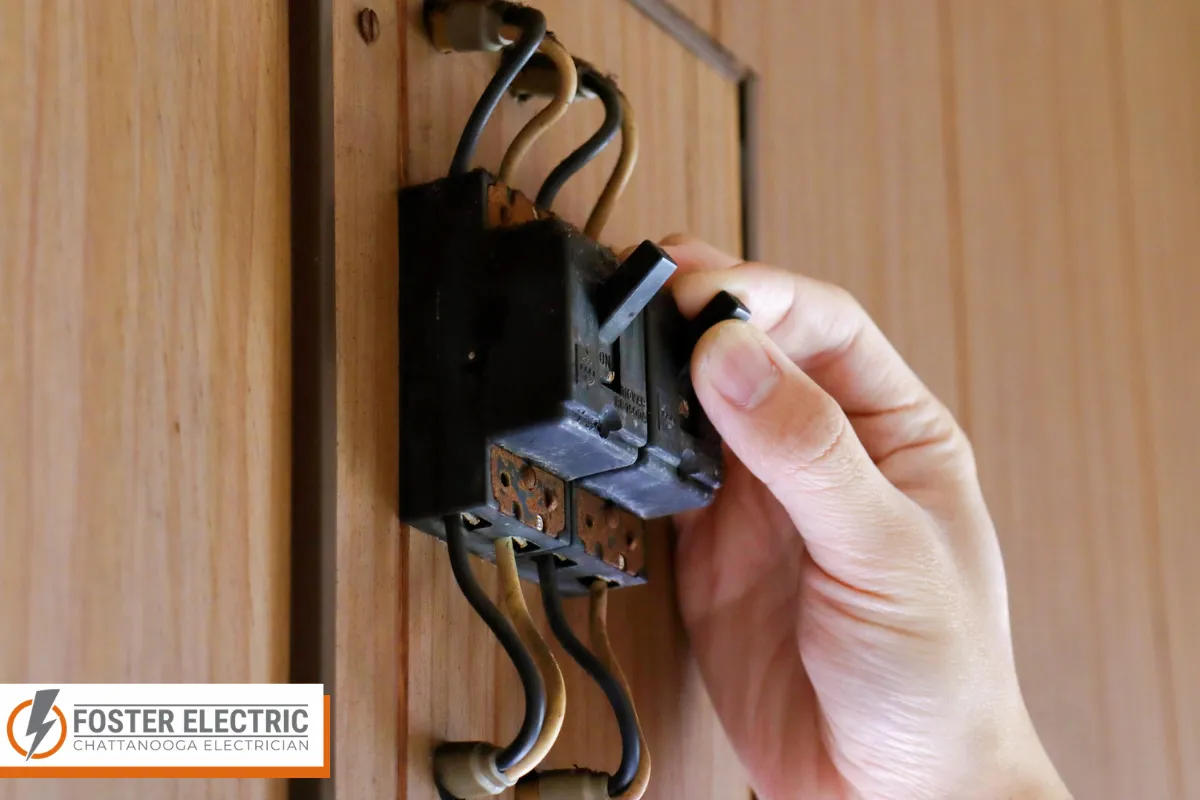
Circuit breakers do not have a universal replacement interval. A properly installed breaker operating under normal conditions may remain in service for 30 to 40 years, and some continue functioning longer. That range is an estimate rather than a guaranteed service life.
A breaker should be evaluated according to its condition, performance, installation environment, compatibility with the panel, and exposure to abnormal electrical events. A relatively new breaker can fail after severe overheating or a damaging fault, while an older breaker may still pass a professional assessment.
For most East Ridge homes, the practical approach is:
- Have unexplained or recurring trips investigated promptly.
- Include the electrical panel in periodic home safety inspections.
- Schedule a detailed evaluation when the panel approaches 25 to 30 years old.
- Replace any defective, damaged, recalled, or incompatible breaker without delay.
- Consider a panel upgrade when aging equipment can no longer support the home safely.
Homeowners should not treat 30 years as an automatic expiration date. Instead, it is a useful point at which closer inspection becomes increasingly important.
Why Circuit Breakers Wear Out
A circuit breaker is a protective switching device. It monitors the current traveling through a branch circuit and opens the circuit when current exceeds a safe level. Standard breakers generally respond to overloads and short circuits, while specialized devices may also provide ground-fault or arc-fault protection.
Inside the breaker are mechanical and electrical components that must operate correctly under stress. Every trip requires the internal mechanism to open the circuit. Over time, repeated operation, heat, contamination, and damaged contact surfaces may affect performance.
Frequent Overloads Create Repeated Thermal Stress
An overload occurs when connected equipment draws more current than the circuit is designed to carry. Common examples include running several high-wattage appliances from the same circuit or using portable heaters on already busy receptacle circuits.
A breaker is supposed to trip during a sustained overload. However, repeatedly resetting it without correcting the cause subjects the device and surrounding conductors to additional heating cycles. Frequent trips are therefore not normal household maintenance. They are evidence that the circuit, connected load, wiring, or breaker needs to be examined.
Short Circuits Can Damage Internal Components
A short circuit creates an unintended low-resistance path that allows a large amount of current to flow. This can happen when energized conductors contact each other or when damaged insulation exposes wiring.
The breaker should interrupt the fault rapidly, but a severe event can still stress its contacts and internal mechanism. After a major fault, an electrical contractor may recommend replacing the affected breaker even when it can be reset.
Loose Connections Generate Dangerous Heat
A loose terminal can create electrical resistance, localized heating, arcing, or discoloration. The breaker itself may become unusually warm, and nearby insulation may begin to deteriorate.
Loose connections can develop because of improper installation, vibration, conductor movement, incorrect torque, damaged components, or thermal expansion and contraction. Tightening panel connections is not a suitable do-it-yourself project. Parts of a service panel can remain energized even when the main disconnect is switched off.
Moisture and Corrosion Shorten Equipment Life
Electrical panels should remain dry and protected. Water intrusion, condensation, humid conditions, and corrosive contamination can affect breaker terminals, bus bars, cabinet surfaces, and grounding components.
Rust on the outer enclosure deserves attention, but corrosion inside the panel is more serious. It may compromise connections or interfere with the breaker’s attachment to the bus. Water stains, mineral deposits, oxidation, or a musty odor near the panel should lead to a professional inspection.
Power Surges May Cause Cumulative Damage
Lightning, utility disturbances, damaged equipment, and large motors switching on and off can produce transient voltage events. A surge does not always cause immediate breaker failure, but repeated exposure can contribute to the deterioration of electrical components.
Whole-home surge protective devices can provide an added layer of protection. They do not replace circuit breakers, grounding, bonding, or point-of-use protection, but they can help manage transient overvoltage when properly selected and installed.
Warning Signs a Breaker May Need Immediate Replacement
The age of a breaker matters less than what it is doing. Certain symptoms indicate that prompt electrical service is appropriate.
The Breaker Trips Again After Resetting
One trip can result from a temporary overload. A breaker that trips repeatedly is telling you that a problem remains.
Do not continue resetting it or install a higher-amperage device as a shortcut. The breaker rating must coordinate with the conductor size and circuit design. Installing a larger breaker on wiring that cannot safely carry the additional current can allow conductors to overheat before protection activates.
Disconnect or turn off the equipment being used when the trip occurred. If the breaker still trips, leave it off and arrange an inspection.
It Will Not Reset or Stay in the On Position
Most breakers must be moved fully to the off position before they can be reset. If the handle feels loose, will not latch, remains between positions, or trips with the circuit load removed, the breaker may be damaged.
The fault could also be located in the circuit. A qualified electrician can separate a defective protective device from a wiring or equipment problem.
The Panel Produces a Burning Odor
A burning, hot-plastic, or fish-like odor near electrical equipment can indicate overheating insulation, damaged components, or arcing. Treat this as an urgent warning.
Avoid touching the panel if it is hot, smoking, crackling, or visibly damaged. Keep people away from the area and obtain emergency assistance when there is smoke or fire. Once the immediate danger is controlled, the system should remain unused until it has been professionally evaluated.
Breaker Handles or Panel Surfaces Feel Abnormally Hot
Some warmth can occur under load, but a breaker should not be painfully hot or accompanied by an odor, buzzing, discoloration, or melting.
Excessive heat may result from an overloaded circuit, loose termination, damaged breaker, poor bus connection, or improper equipment pairing. Temperature alone does not reveal the cause, so replacement should follow diagnosis rather than guesswork.
You See Scorching, Melted Plastic, or Discoloration
Dark marks, deformed plastic, charred insulation, or damaged labels suggest significant heat or arcing. The damage may extend beyond the individual breaker to the panel bus or conductor termination.
Replacing only the breaker may not resolve the hazard if the bus connection is burned or pitted. The electrical service provider should inspect the full affected area and determine whether repair, component replacement, or panel replacement is necessary.
Lights Flicker When Appliances Start
Brief dimming can sometimes occur when equipment with a motor starts, but pronounced or recurring flickering may point to a loose connection, overloaded circuit, voltage issue, failing device, or service problem.
Because loose neutral connections and service defects can affect multiple circuits, note whether the flickering occurs in one room or throughout the house. This information can help the technician narrow the diagnosis.
The Breaker Buzzes, Crackles, or Hisses
A faint hum from some electrical equipment may not indicate failure, but a breaker or panel should not crackle, hiss, pop, or produce an increasingly loud buzz. Those sounds may be associated with arcing or a compromised connection.
Do not remove the panel cover to investigate. Arrange prompt professional evaluation, especially when sound is accompanied by heat or odor.
Read Electrician in East Ridge, TN: Why Breakers Overheat & What to Do Next
Breaker Age Versus Panel Condition
A circuit breaker and an electrical panel are related but separate components. In some homes, replacing one defective breaker is sufficient. In others, the condition of the enclosure, bus bars, service conductors, grounding system, or available capacity makes broader work more appropriate.
When a Single-Breaker Replacement May Be Enough
Targeted replacement may be reasonable when:
- The panel is in good condition.
- The bus connection is undamaged.
- The circuit wiring passes inspection.
- The breaker is listed for use in that specific panel.
- There is no widespread corrosion or overheating.
- The panel has adequate capacity for existing loads.
- The fault is isolated to one protective device.
The replacement must match the panel manufacturer’s approved specifications. A breaker that physically fits is not automatically compatible.
When the Entire Panel Deserves Evaluation
A complete panel assessment becomes more important when multiple breakers malfunction, parts are obsolete, replacement devices are difficult to source, the bus is damaged, the enclosure has extensive corrosion, or the household has outgrown its available capacity.
Older homes may also have limited circuit space or electrical service that was designed before modern loads became common. Heat pumps, electric ranges, dryers, workshops, hot tubs, additional HVAC equipment, and electric vehicle charging can significantly change demand.
A load calculation helps determine whether the existing service and panel can safely accommodate planned equipment. Simply finding an empty breaker position does not prove adequate capacity.
Standard, GFCI, and AFCI Breakers Have Different Roles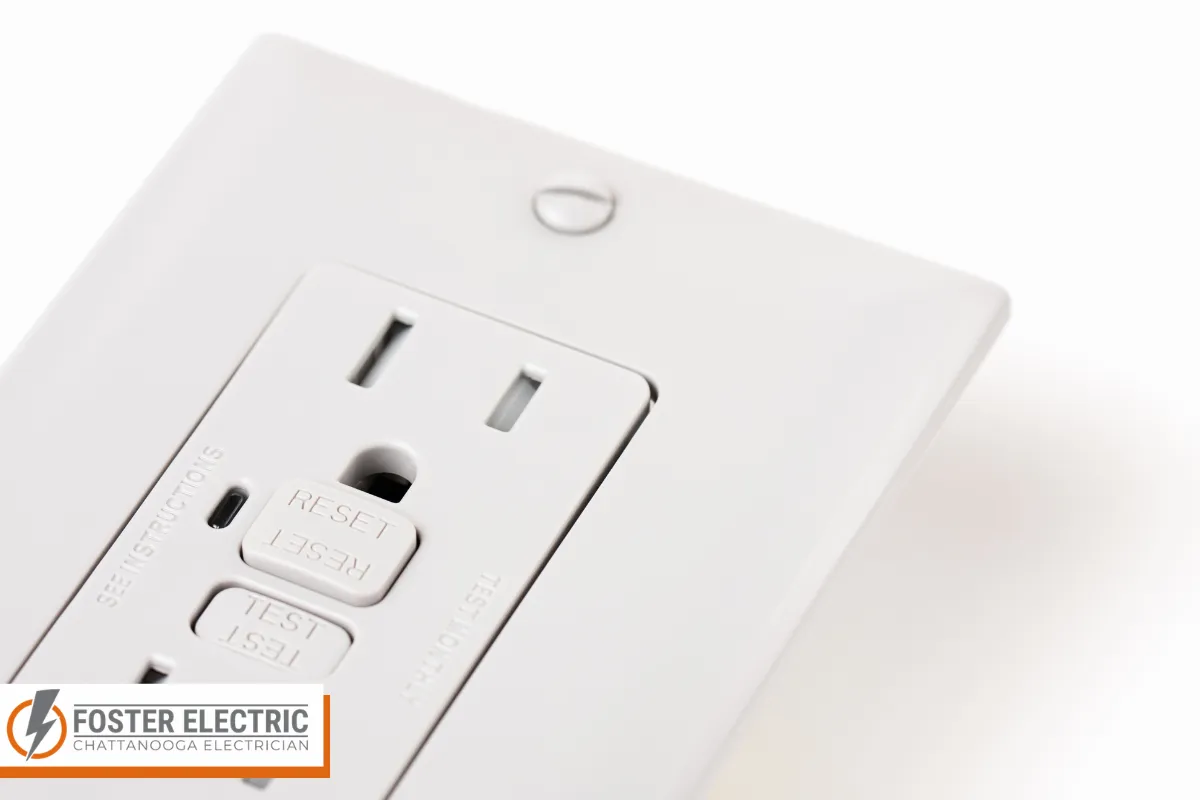
Not every circuit breaker provides the same protection. Recognizing the differences helps homeowners understand why a replacement must be selected carefully.
Standard Overcurrent Breakers
A conventional breaker protects conductors from excessive current caused by overloads and short circuits. It is generally sized according to the circuit conductors, equipment, and applicable code requirements.
Ground-Fault Circuit-Interrupter Protection
A GFCI monitors current balance and responds when electricity follows an unintended path, which can reduce shock risk. This protection is commonly associated with areas where contact with water or grounded surfaces may be more likely.
A GFCI device should be tested using its test control according to manufacturer instructions. A unit that does not trip during testing, cannot reset, or behaves unpredictably should be evaluated and replaced when defective. The National Fire Protection Association advises immediate replacement of defective GFCI and AFCI protection and recommends installation by a qualified professional.
Arc-Fault Circuit-Interrupter Protection
An AFCI is designed to detect certain electrical arcing characteristics that a standard breaker may not identify. Arc faults can develop from damaged wiring, deteriorated insulation, loose connections, or compromised cords.
Nuisance tripping should not be assumed. A trip may be connected to damaged wiring, an incompatible device, improper installation, shared-neutral conditions, or equipment that produces problematic electrical noise. Diagnosis should come before replacement.
Dual-Function Devices
Dual-function breakers combine ground-fault and arc-fault protection in one unit. Their test procedures and indicator functions can vary by manufacturer, so labels and instructions matter.
When replacing any specialized breaker, the technician must confirm the required protection, circuit configuration, panel listing, conductor arrangement, and manufacturer compatibility.
Why Installing Any Breaker That Fits Is Unsafe
Circuit breakers are not universal components. Breakers that appear similar may have different mounting designs, contact pressure, rejection features, electrical ratings, interrupting capacities, and listing restrictions.
Using an unapproved breaker can lead to a poor connection with the bus bar. That connection may loosen, arc, or overheat even though the handle seems to snap into position.
A correct replacement should account for:
- Panel manufacturer and model
- Breaker type and catalog designation
- Voltage and amperage
- Number of poles
- Interrupting rating
- Wire type and terminal specifications
- Required AFCI or GFCI functions
- Applicable listing and labeling instructions
The panel directory should also identify circuits clearly. Accurate labels help occupants and emergency personnel disconnect power without unnecessary delay.
What an Electrician Checks Before Recommending Replacement
Professional troubleshooting involves more than cycling the breaker handle. The scope depends on the symptoms, but an assessment may include the following steps.
Reviewing the Circuit’s Load
The technician may identify connected appliances and calculate or measure current under operating conditions. This helps determine whether the breaker is responding correctly to an actual overload.
Inspecting Conductors and Terminations
Wire size, insulation condition, terminal placement, signs of overheating, and connection quality are important. When appropriate and permitted by manufacturer instructions, terminations may be checked for specified torque using suitable tools.
Examining the Bus Connection
A breaker attaches to an energized distribution bus within the panel. Burning, pitting, looseness, or discoloration at that connection can mean the panel itself requires repair or replacement.
Testing Circuit Conditions
Depending on the issue, the professional may test voltage, continuity, insulation integrity, current, grounding paths, or specialized protective functions. Testing methods must be chosen carefully because an energized panel presents shock and arc-flash hazards.
Checking for Product Safety Notices
Electrical equipment may be subject to safety notices or recalls based on manufacturer, model, and production date. The Consumer Product Safety Commission has issued breaker and load-center recalls in which professional inspection or replacement was advised.
A recall does not mean every older panel is defective. Identification should be based on the exact product information, not appearance alone.
East Ridge Permit and Inspection Considerations
The City of East Ridge states that electrical permits are required for applicable work and that permitted projects receive ongoing inspections until final inspection. The exact requirement for a repair depends on the project scope, so the responsible contractor should confirm current local procedures before work begins.
Tennessee also requires an electrical permit before installing wiring that must be inspected under applicable state rules. Local administration may affect where permits are obtained, who can obtain them, and which inspection authority has jurisdiction.
A routine in-kind breaker replacement may be treated differently from projects involving:
- New branch circuits
- Service changes
- Panel relocation
- Service-capacity upgrades
- Meter equipment
- Rewiring
- Generator connections
- Major equipment additions
- Alterations to grounding or bonding
Because requirements and adopted standards can change, homeowners should not rely on an old permit assumption. A reputable electrical contractor will identify the applicable process, arrange required inspections, and complete work according to current local requirements and the equipment manufacturer’s instructions.
Should You Replace Breakers Before Selling a Home?
Replacing breakers solely to make them look newer is usually unnecessary. A better approach is to correct documented defects and provide a safe, serviceable system.
Before listing an older home, consider a panel inspection when there are missing labels, open panel spaces, double-tapped terminals not approved for multiple conductors, signs of overheating, recurring trips, corrosion, damaged covers, or questionable additions.
An inspection can also identify whether previous alterations were completed properly. Correcting known hazards before a buyer’s inspection may reduce delays and create clearer expectations during the transaction.
The goal is not cosmetic improvement. It is reliable overcurrent protection, proper installation, accurate circuit identification, and a panel that is suitable for the home’s electrical demand.
Steps Homeowners Can Take Without Opening the Panel
Homeowners can perform basic observations while leaving energized components untouched.
- Record which breaker trips and what equipment was operating.
- Unplug portable devices connected to the affected circuit.
- Look for damaged cords, warm receptacles, or discolored wall plates.
- Note unusual sounds, odors, flickering lights, or recent storm activity.
- Check whether the trip affects one room or several areas.
- Read labels on the closed panel door without removing the cover.
- Avoid repeated resets when the breaker will not remain on.
- Schedule electrical service when the cause is uncertain.
Never tape a breaker in the on position, defeat its trip mechanism, or replace it with a larger rating to stop interruptions. Those actions remove or weaken protection rather than solving the underlying problem.
A Practical Replacement Timeline for East Ridge Homes
Although condition is more important than age, homeowners can use the following timeline as a planning framework.
Less Than 10 Years Old
Unexpected failure is less common, but still possible. Investigate repeated trips, installation defects, recalls, water exposure, overheating, or unusual electrical events rather than assuming the equipment is too new to fail.
Between 10 and 25 Years Old
Continue routine observation and address symptoms promptly. Homes that have added major appliances or undergone remodeling may need a load review even when the breakers appear normal.
Between 25 and 40 Years Old
Schedule a thorough assessment if one has not been performed recently. Replacement parts, panel condition, service capacity, bus integrity, and compatibility deserve closer attention.
More Than 40 Years Old
Age alone does not prove imminent failure, but the likelihood of wear, obsolete equipment, undocumented modifications, and limited capacity increases. A professional evaluation can determine whether continued service, selective repair, or modernization is the best option.
The Safest Answer Is Based on Evidence, Not the Calendar
Circuit breakers generally do not need replacement every few years. Many provide dependable protection for several decades, but there is no fixed schedule that applies to every home. Operating conditions, electrical faults, installation quality, moisture, heat, compatibility, recalls, and household demand all affect service life.
The most important rule is to respond to warning signs. A breaker that repeatedly trips, will not reset, becomes excessively hot, smells burned, makes unusual sounds, or shows visible damage needs professional attention. The same is true when several breakers are affected or the panel has corrosion and heat damage.
Timely evaluation protects more than the breaker itself. It helps preserve branch-circuit wiring, appliances, the electrical panel, and the overall reliability of the home’s electrical system.
Electrician in East Ridge, TN – Foster Electric
At Foster Electric, we help East Ridge homeowners determine whether a troublesome circuit breaker needs replacement or whether a deeper wiring, load, or panel issue is responsible. Our electrician carefully evaluates recurring trips, overheating, unusual odors, damaged components, and aging equipment before recommending the appropriate repair. We provide dependable electrical service for homes in East Ridge, Tennessee, and prominent surrounding areas, with safety, workmanship, and clear communication guiding every project. Whether you need breaker troubleshooting, panel repairs, a capacity review, or help planning an upgrade, we are ready to address your concerns. Call Foster Electric at (423) 826-7270 or fill out our contact form to schedule an appointment. We will help you make an informed decision and restore confidence in your electrical system.
Frequently Asked Questions
Can a Circuit Breaker Be Bad Even If It Has Never Tripped?
Yes. A breaker that has never visibly tripped may still have internal damage, a poor bus connection, a weakened mechanism, or a calibration problem. In some cases, the more serious concern is that a defective breaker may fail to open when dangerous overcurrent occurs. Homeowners cannot confirm protective performance simply by looking at the handle. Warning signs may include localized heat, discoloration, buzzing, burning odors, intermittent power, or evidence of arcing at the connection point. Professional evaluation is appropriate when the breaker behaves inconsistently or the panel shows damage. Do not intentionally create an overload to test a breaker, because that can damage wiring and equipment.
Does Turning a Breaker On and Off Regularly Wear It Out?
Occasional manual operation is generally expected, but a standard residential breaker should not be used as an everyday switch unless it is specifically marked and listed for switching duty. Frequent operation creates mechanical movement and electrical contact wear. The effect depends on the device design, load, and number of operations. Breakers serving lighting or equipment that must be switched routinely should be selected for that intended use. If a breaker feels loose, no longer snaps firmly between positions, or produces a flash, noise, or odor during operation, stop using it and arrange an inspection. A suitable wall switch or equipment disconnect is usually the better control method.
Can One Faulty Breaker Affect Other Rooms in the House?
A typical branch breaker controls only its assigned circuit, but a defect within the panel can sometimes have broader effects. A loose bus connection, damaged neutral, overheated service conductor, or failing main component may cause flickering, voltage irregularities, or intermittent power across multiple circuits. Multiwire branch circuits can also share a neutral, making diagnosis less obvious than a single-room outage. If unrelated rooms experience simultaneous dimming, brightening, buzzing, or power loss, the issue may extend beyond one branch breaker. Turn off sensitive electronics when it is safe to do so and seek prompt professional assistance, particularly when lights become unusually bright or a burning odor develops.
Will a New Breaker Stop an Appliance From Tripping the Circuit?
Not necessarily. A replacement will only solve the problem when the existing breaker is defective. An appliance may trip a healthy breaker because it draws too much current, has an internal short circuit, leaks current to ground, produces an arc-fault signature, or shares a circuit with other demanding equipment. Extension cords, damaged receptacles, loose wiring, and improper circuit sizing can also contribute. Before replacing the device, an electrical professional should identify when the trip occurs, measure the load when appropriate, inspect the circuit, and evaluate the appliance. Repeatedly changing breakers without finding the cause can leave the real fault unresolved and may expose wiring or equipment to additional damage.
Are Smart Circuit Breakers a Direct Replacement for Standard Breakers?
Smart breakers and connected energy-management devices are not universally interchangeable with standard models. Compatibility depends on the panel, manufacturer, electrical ratings, communication equipment, required protective functions, and product listing. Some systems provide energy monitoring, remote notifications, load control, or integration with home-energy equipment. Remote operation does not eliminate the need for overcurrent protection, proper conductor sizing, grounding, or safe disconnecting methods. Before installation, a professional should verify that the device is approved for the specific panel and suitable for the intended circuit. Homeowners should also consider cybersecurity, network dependence, manufacturer support, manual operation, and how essential loads will function if connected features become unavailable.
Disclaimer: This article offers general safety information, not a diagnosis of a specific electrical system. Permit requirements and site conditions vary. Have suspected breaker or panel defects evaluated by a qualified professional serving East Ridge.
Read Why Should I Hire an Electrician in East Ridge, TN Instead of Doing It Myself?