
Don’t Ignore That Burning Smell: Act Fast to Protect Your Home
East Ridge residential electrician services are often called in when homeowners smell something burning from an electrical outlet. This problem isn’t just a minor nuisance—it’s a serious warning sign of a potential electrical fire. Ignoring the smell or hoping it will go away can put your family, home, and valuables at risk. The anxiety and uncertainty can quickly escalate, especially if you don’t know what steps to take next. The good news? Knowing what to do—and who to call—can make all the difference. If you act quickly and contact a professional residential electrician, you can prevent damage, protect your loved ones, and restore peace of mind. This guide explains exactly what to do if you notice a burning smell from any outlet in your home.
What Causes Burning Smells from Electrical Outlets?
Common Culprits Behind Electrical Odors
Electrical outlets are designed to provide safe, reliable power, but various problems can lead to dangerous overheating and burning smells. Some of the most frequent causes include:
- Loose wiring connections: Wires that are not tightly connected can spark and overheat.
- Overloaded circuits: Plugging too many devices into one outlet can strain the wiring.
- Faulty outlets or switches: Older or damaged outlets may fail and burn internally.
- Damaged appliance cords: Worn or frayed cords can cause heat and emit a burning smell.
- Outdated electrical systems: Homes with aging wiring may be more prone to overheating.
Recognizing these potential issues is the first step toward a safer home. Regular inspection by a qualified electrician can help catch these problems before they become emergencies.
Signs You Need Immediate Electrical Help
More Than Just a Smell: Warning Signals to Watch For
If you notice a burning smell from any electrical outlet, take it seriously—fires can develop quickly. Other red flags that demand urgent attention from a licensed electrician include:
- Discoloration or scorch marks around the outlet plate.
- Warmth or heat when touching the outlet or wall nearby.
- Sparking or crackling sounds coming from the outlet.
- Tripped circuit breakers after plugging something in.
- Flickering lights or inconsistent power.
Even if the burning smell is faint or comes and goes, it’s crucial to have your home checked by a residential electrician immediately. Never try to fix wiring issues yourself, as mistakes can be deadly.
Step-By-Step Guide: What to Do When You Smell Burning from an Outlet
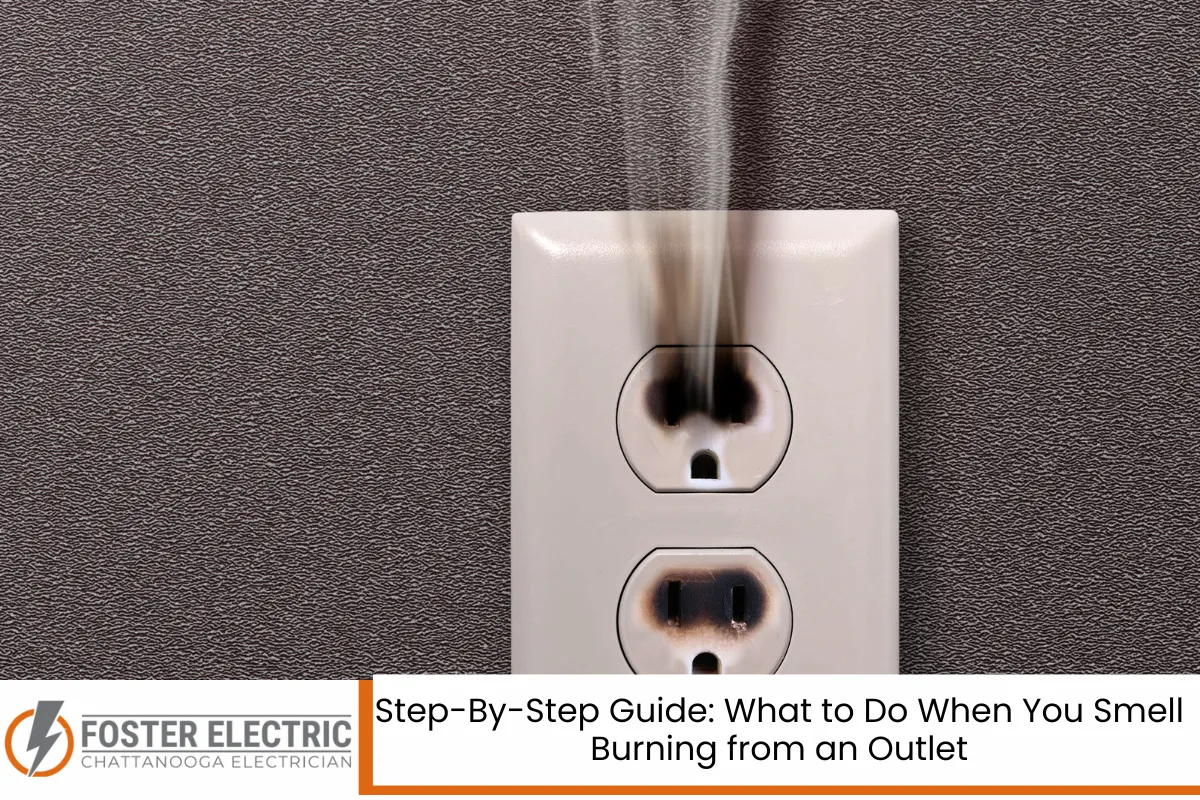
Take Action Fast—Here’s How to Respond
If you detect a burning odor from any electrical outlet, follow these steps to ensure your safety:
1. Unplug Devices Safely
- If it’s safe, carefully unplug any devices from the affected outlet. If you see smoke or sparks, skip this step and move to the next one.
2. Turn Off the Power
- Locate your electrical panel and turn off the breaker connected to the problem area. This stops electricity from flowing and reduces the risk of fire.
3. Check Surrounding Areas
- Inspect the wall and nearby outlets for heat, discoloration, or burning smells.
4. Evacuate if Necessary
- If you see flames, thick smoke, or the smell is overwhelming, leave your home immediately and call 911.
5. Call a Residential Electrician
- Even if the smell fades, contact a professional residential electrician to inspect and repair your system. Only certified electricians should handle electrical repairs or replacement of outlets and wiring.
Acting quickly can prevent further damage and ensure your family’s safety.
How Professional Electricians Diagnose and Fix the Problem
Expert Evaluation for Long-Term Safety
When you call an electrical contractor about a burning smell, the process usually involves:
1. Thorough Inspection
- The electrician examines outlets, wiring, circuit breakers, and connected devices to pinpoint the source of overheating.
2. Testing and Troubleshooting
- Using specialized tools, electricians check for loose connections, faulty outlets, and unsafe wiring.
3. Repair or Replacement
- Depending on the issue, your electrician may replace outlets, rewire circuits, or upgrade electrical panels.
4. Preventive Solutions
- Professionals also offer tips and upgrades, such as installing AFCI outlets or surge protectors, to help prevent future issues.
This level of service ensures your electrical system is safe, code-compliant, and reliable for years to come.
Why DIY Electrical Repairs Are Never Worth the Risk
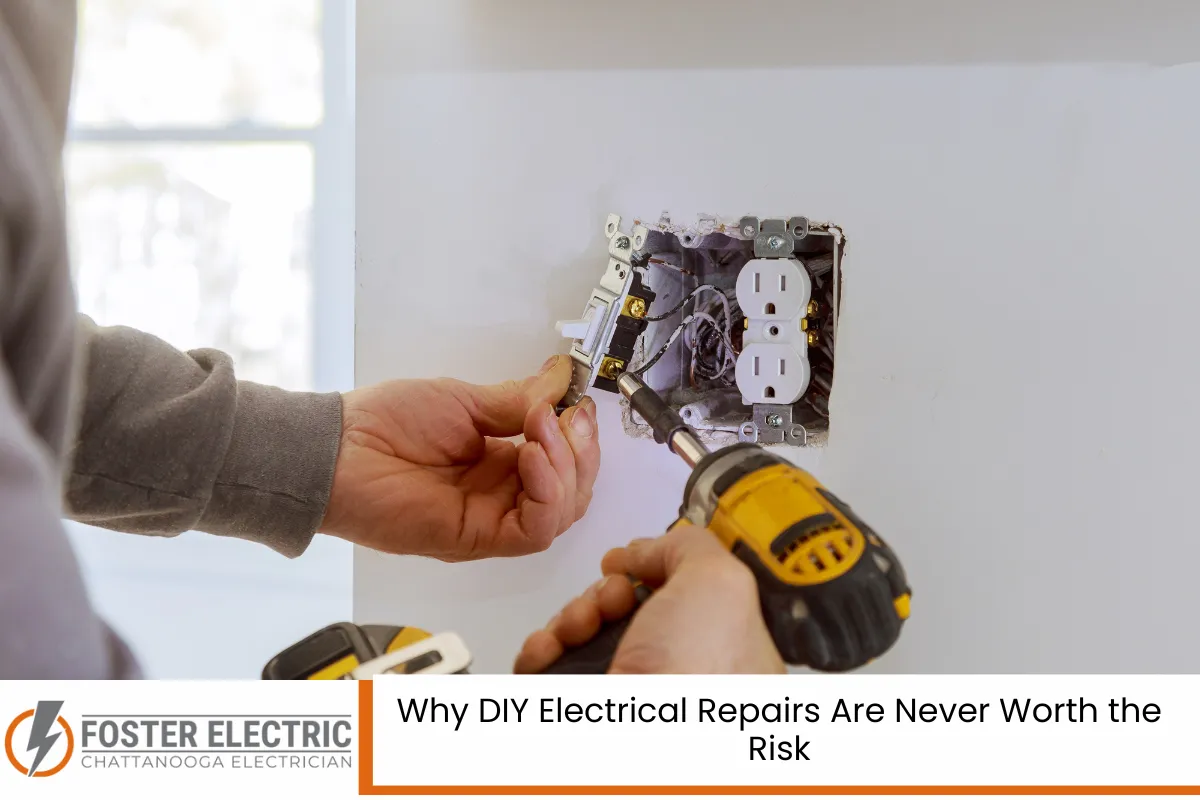
Leave Electrical Work to Certified Electricians
Attempting to fix electrical problems on your own may seem like a way to save money, but it’s extremely risky. Even simple mistakes can cause electrical shock, fire, or property damage. Licensed electricians have the training, tools, and knowledge to resolve electrical hazards safely and efficiently. Most home insurance policies also require that electrical work be done by a professional. Protect your investment and your family by choosing expert electrical services every time.
How to Prevent Future Electrical Emergencies
Best Practices for Safe Home Electrical Systems
Prevention is always better than repair. To keep your home safe from electrical fires and hazards, follow these guidelines:
- Schedule regular inspections with a trusted electrician, especially in older homes.
- Avoid overloading outlets with too many appliances or extension cords.
- Upgrade outdated wiring and replace old outlets with modern, safer options.
- Install smoke detectors near bedrooms and kitchens.
- Use high-quality surge protectors for valuable electronics.
- Educate your family about signs of electrical problems and emergency procedures.
Consistent attention to your electrical system by a professional electrical contractor reduces risks and gives you peace of mind.
Professional Troubleshooting: What Electricians Check When Burning Smells Arise
Key Steps to Identify and Fix Electrical Hazards
When you contact a residential electrician about a burning smell from an outlet, they follow a systematic approach to protect your property:
1. Visual Assessment
The electrician inspects the affected outlet, cover plate, and surrounding wall for signs of scorching, melting, or discoloration. They’ll also look for damaged cords and overused power strips.
2. Electrical Testing
Using voltage meters and other diagnostic tools, your electrician checks for abnormal currents, loose connections, or wiring faults that could cause overheating.
3. Checking Panel Integrity
The breaker panel is inspected to ensure circuit breakers are functioning correctly and not overheating. Tripped or buzzing breakers often indicate serious electrical issues.
4. Systematic Elimination
The electrician may turn off specific breakers and test outlets one by one. This helps isolate the exact location and cause of the burning smell.
5. Detailed Recommendations
Once the issue is identified, the electrician explains the problem, proposes solutions, and provides a clear estimate for repairs or upgrades.
Professional electricians always put safety first, ensuring that all repairs meet the latest electrical codes and standards.
Electrical Fire Prevention: Tips for East Ridge Homeowners
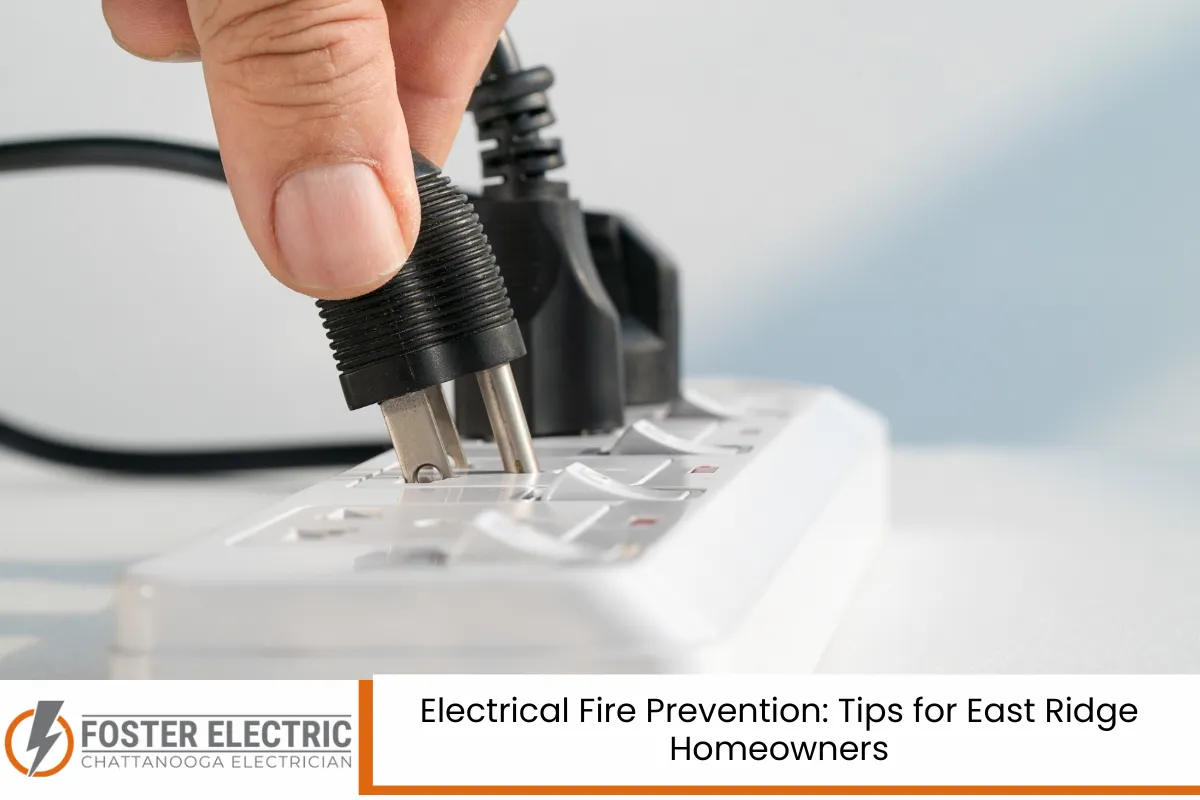
Protecting Your Family from the Dangers of Electrical Fires
Preventing electrical fires starts with awareness and regular maintenance. Here are proven strategies every homeowner in East Ridge and the surrounding area should follow:
- Upgrade Old Wiring: Homes built before the 1980s often have outdated wiring that can’t handle today’s electrical loads.
- Install AFCI Outlets: Arc Fault Circuit Interrupters (AFCIs) automatically shut off electricity when dangerous arcing occurs, reducing fire risk.
- Replace Two-Prong Outlets: These lack grounding and are less safe than modern three-prong outlets.
- Keep Outlets Clear: Never block outlets with furniture, curtains, or rugs, which can trap heat.
- Avoid Daisy-Chaining Power Strips: Plugging one power strip into another increases the risk of overheating.
- Test Smoke Detectors Monthly: Early detection of smoke or fire can save lives.
If you’re unsure about your home’s electrical safety, scheduling a professional inspection by an experienced residential electrician is the smartest move you can make.
Read East Ridge Residential Electrician: Are DIY Electrical Repairs Safe or Legal?
Specialized Electrical Services for East Ridge Residents
Solutions Beyond Simple Repairs
Local electrical contractors offer more than just outlet repairs. Here’s how a professional electrician can help:
- Whole-Home Rewiring: For older homes or after major renovations, rewiring ensures your entire electrical system is up to code.
- Panel Upgrades: Upgrading your electrical panel is necessary if you experience frequent breaker trips or plan to add high-power appliances.
- Lighting Design and Installation: Modern LED lighting can enhance safety, reduce energy costs, and add value to your home.
- Backup Generator Installation: Power outages are less stressful with a professionally installed generator.
- Home Surge Protection: Whole-house surge protectors safeguard sensitive electronics from voltage spikes.
By partnering with a qualified East Ridge residential electrician, you gain peace of mind and long-term protection for your home.
Fast Response Matters: Why Time Is Critical in Electrical Emergencies
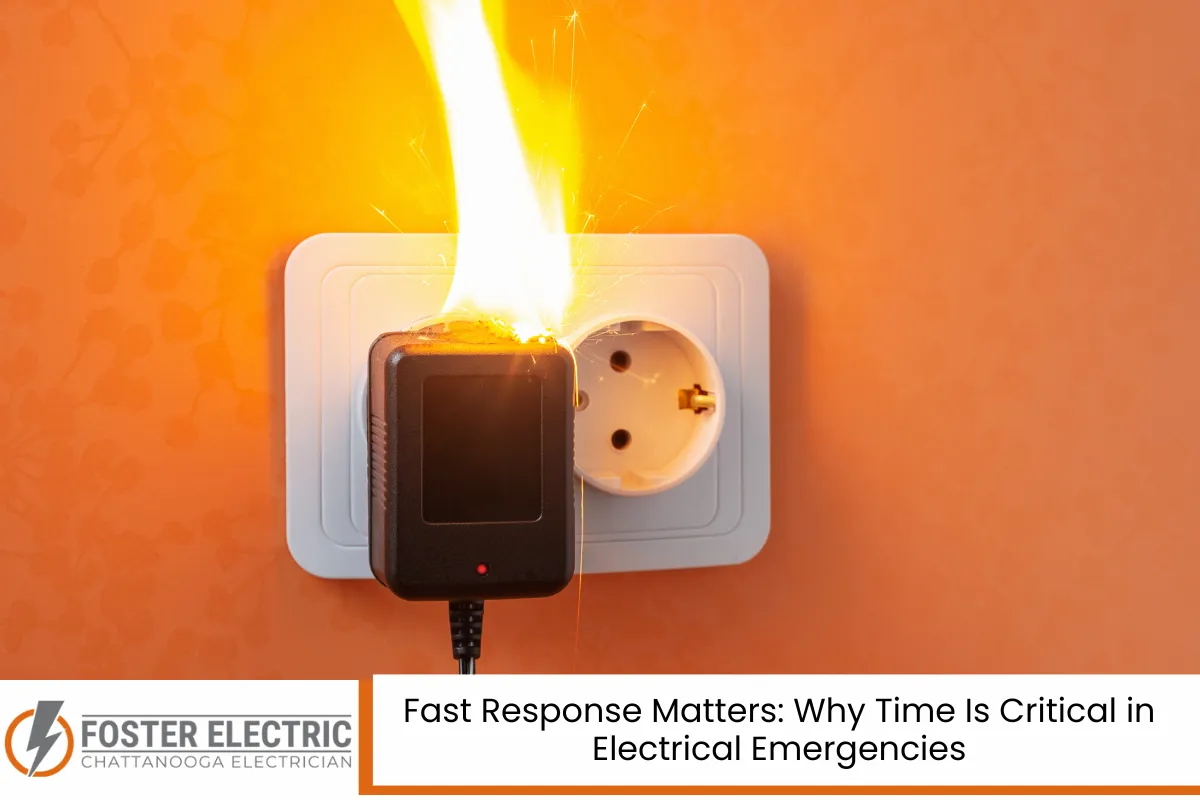
Acting Quickly Can Save Lives and Property
Electrical problems can escalate in minutes. The burning smell from an outlet can indicate wiring that’s moments away from catching fire. Immediate action—turning off power and calling a professional electrician—limits damage and keeps everyone safe.
Electricians in East Ridge understand the urgency of these situations. That’s why established electrical contractors offer same-day service and 24/7 emergency support for residential customers. Don’t hesitate to seek professional help at the first sign of trouble.
Regular Maintenance: The Key to Long-Lasting Electrical Safety
Keeping Your Home Up to Code and Free of Hazards
Routine electrical maintenance offers multiple benefits:
- Early Detection: Small issues are identified and repaired before they become dangerous.
- Compliance: Licensed electricians ensure your home meets current safety codes and regulations.
- Insurance Benefits: Some insurers may offer discounts for homes with documented electrical inspections.
- Peace of Mind: You and your family can use electrical appliances with confidence.
Consider scheduling an annual electrical checkup with a trusted East Ridge electrician to stay ahead of potential hazards.
East Ridge Residential Electrician – Foster Electric
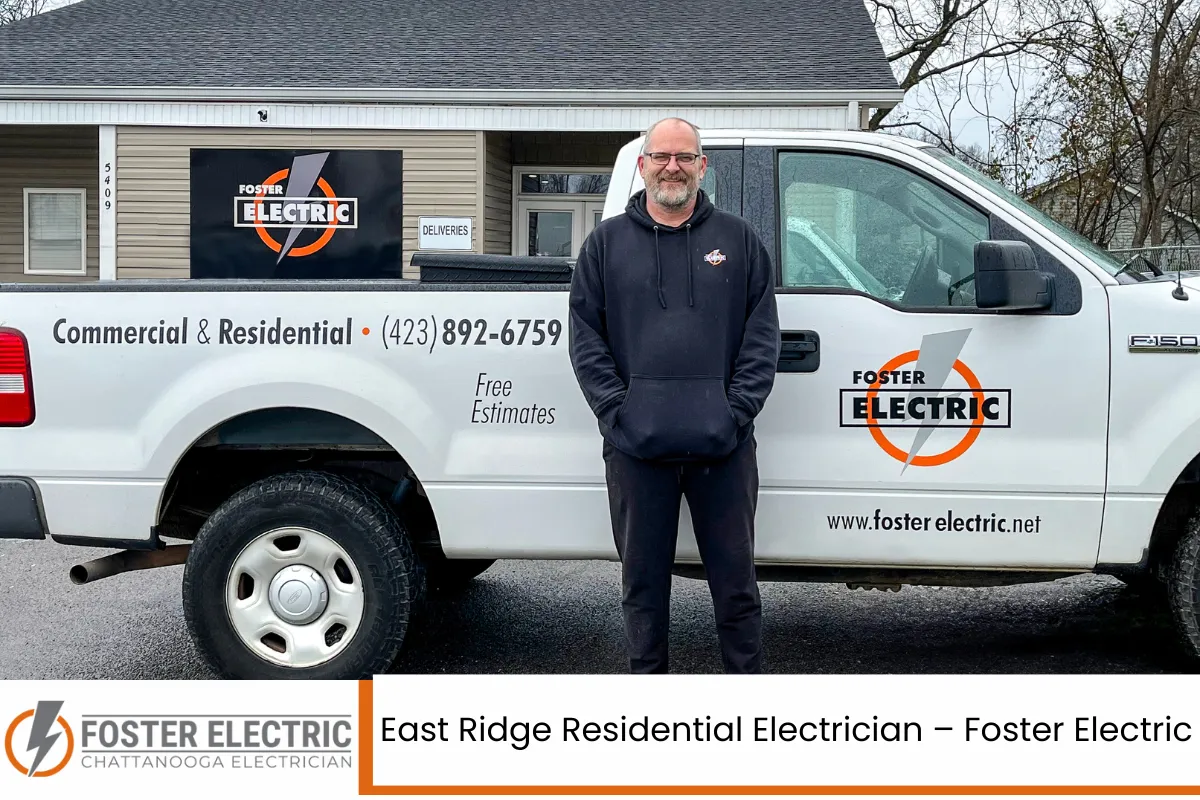
When you need a trusted residential electrician in East Ridge or the surrounding areas, Foster Electric is here to help. Our experienced electricians respond quickly to electrical emergencies, such as burning smells from outlets, faulty wiring, or power outages. We offer reliable electrical services, from troubleshooting and repairs to complete wiring upgrades for your home. Protect your family and property—don’t wait for small issues to become disasters. Call Foster Electric at (423) 826-7270 or fill out our easy online contact form. Our team is ready to restore safety, comfort, and peace of mind to your home—schedule your appointment today.
Frequently Asked Questions
1. Can a burning smell from an outlet go away on its own, or is it always serious?
A burning smell from an outlet should never be ignored, even if it seems to disappear after a short while. This odor is a sign that wiring or internal components have overheated, which can lead to electrical fires or further damage. Even if the smell fades, the underlying problem likely remains and could become more dangerous over time. It’s always important to turn off power to the affected area and contact a professional residential electrician to inspect and repair the problem. Early intervention can prevent costly repairs and protect your home and family.
2. Are certain rooms in the home more at risk for electrical fires than others?
Yes, some rooms have a higher risk of electrical problems due to heavy use of outlets and appliances. Kitchens and bathrooms are especially vulnerable because they combine high-powered devices with the presence of water. Garages, basements, and laundry rooms may also pose risks due to older wiring, power tools, or appliances. Living rooms and bedrooms with multiple electronics or space heaters can also become trouble spots. Regular inspection of outlets and wiring in these areas by a licensed electrician is essential for safety.
3. How can I tell if my home’s wiring is outdated or unsafe?
Warning signs of outdated or unsafe wiring include frequent circuit breaker trips, flickering lights, outlets that feel warm to the touch, and the presence of two-prong (ungrounded) outlets. If your home was built more than 40 years ago and has never had a full electrical upgrade, it’s likely that the wiring does not meet today’s safety standards. A professional electrical contractor can assess your wiring and recommend upgrades to ensure your home is safe and up to code.
4. Should I replace all the outlets in my home if I experience a single burning smell?
It’s not always necessary to replace every outlet in your home, but you should have all outlets inspected if you notice a burning smell from one. The problem could be isolated or part of a broader wiring issue. Your electrician can identify which outlets and circuits are affected and recommend targeted repairs or replacements. Upgrading all outlets in older homes, especially to grounded or tamper-resistant models, may be advised for enhanced safety.
5. What should I do while waiting for an electrician to arrive after smelling burning from an outlet?
First, turn off the power to the affected outlet using your breaker panel to stop the flow of electricity. Unplug any nearby devices, but only if it’s safe to do so. Keep an eye on the area for any signs of smoke or fire. Avoid using water near the outlet, and keep children and pets away from the area. Do not attempt to open the outlet or make repairs yourself. If you notice flames, thick smoke, or your smoke detectors go off, evacuate your home and call 911. Your quick response helps ensure everyone’s safety until professional help arrives.
Read East Ridge Certified Electrician: Why Do Outlets Spark When Plugging Things In?