
Why Permits Matter: Start Your Electrical Project the Right Way
Chattanooga certified electrician services are essential when planning any electrical project, from minor repairs to major renovations. Many homeowners and business owners often wonder: will an electrician handle all the required permits, or is that your responsibility? This question isn’t just about paperwork—it’s about safety, local compliance, and protecting your investment. Ignoring permits or hiring the wrong professional could mean costly delays, code violations, and potential hazards down the road. But what if you could work with a professional who handles the permits for you, streamlining the process and ensuring every step is up to code? In this article, you’ll discover how a certified electrician in Chattanooga navigates the permitting process, why permits are critical, and how the right electrical contractor makes the entire experience hassle-free.
The Importance of Hiring a Certified Electrician in Chattanooga
What Does “Certified Electrician” Really Mean?
A certified electrician is more than just a skilled tradesperson. Certification indicates that the individual has met specific training, education, and testing requirements set by the state and local authorities. In Chattanooga, electricians must pass exams covering electrical codes, safety procedures, and technical skills before being licensed. This ensures that certified electricians possess the knowledge needed to perform electrical work safely and efficiently.
Key Benefits of Hiring Certified Electricians
- Expert Knowledge: Certified electricians stay updated on local codes and regulations.
- Insurance and Liability: Hiring a certified professional reduces your risk if something goes wrong.
- Quality Assurance: Certified professionals are held to high industry standards.
- Peace of Mind: You know the job is done right and to code.
Understanding Electrical Permits in Chattanooga
Why Are Electrical Permits Necessary?
Electrical permits are required by the city of Chattanooga and Hamilton County for most electrical work, including panel upgrades, rewiring, new installations, and significant electrical repairs. Permits ensure that:
- All work complies with current safety codes.
- Inspections are completed to verify proper installation.
- Homeowners and property values are protected from future liability.
Projects That Typically Require Permits
While minor repairs such as replacing a light fixture may not require a permit, most electrical upgrades and new installations do. Common examples include:
- Electrical service upgrades and panel changes
- Installing new circuits or outlets
- Whole-house rewiring
- Adding subpanels
- Major renovations or remodels
Before starting any project, it’s wise to consult a certified electrician to determine if a permit is needed.
Who Is Responsible for Obtaining Electrical Permits?
The Role of the Electrician in the Permit Process
One of the main reasons to hire a certified electrician is their experience in navigating local permitting requirements. Most reputable electricians and electrical contractors in Chattanooga will handle all the necessary permits for your project. This includes:
- Determining which permits are required based on your project.
- Filling out and submitting permit applications to the local building department.
- Scheduling and coordinating any required inspections.
By managing the permit process, electricians save you time and reduce the risk of mistakes that could result in code violations or project delays.
When Might You Need to Apply for a Permit Yourself?
In rare cases, homeowners acting as their own general contractor may choose to pull permits on their own. However, this is only allowed for owner-occupied residences and typically isn’t recommended unless you have significant experience. For commercial properties or any project involving complex electrical work, the certified electrician or electrical contractor should always be the one to secure the permit.
The Steps a Certified Electrician Takes to Secure Permits
Step 1: Assessing the Scope of Work
Before applying for a permit, your electrician will thoroughly assess your project. This includes reviewing the existing electrical system, determining your goals, and designing a solution that meets code requirements.
Step 2: Preparing Permit Applications
Certified electricians are familiar with the forms, fees, and documentation needed for each type of electrical permit in Chattanooga. They will complete and submit these materials to the city or county on your behalf.
Step 3: Scheduling Inspections
Most electrical permits require one or more inspections by local building officials. Your electrician will schedule these at the right stages of the project and be present to answer questions or address concerns.
Step 4: Final Approval and Documentation
Once the work passes all inspections, the permit is closed out and you receive documentation verifying that your electrical project was completed to code. This is crucial for future property sales and insurance.
Why Permitting Protects Homeowners and Businesses
Avoiding Costly Mistakes
Electrical work performed without the proper permits can result in expensive fines, insurance issues, or even denial of claims if there’s a fire or accident. Unpermitted work can also delay the sale of your property or require costly corrections down the line.
Ensuring Long-Term Safety
Permits require that all work is inspected by a qualified official. This third-party check catches potential issues that could lead to electrical fires, shock hazards, or equipment failure. Certified electricians are trained to meet these standards, giving you peace of mind.
Maintaining Home and Business Value
When you invest in your property, you want those improvements to be recognized and valued. Work completed with the proper permits is easily documented, which is especially important during appraisals or sales.
How to Choose the Right Chattanooga Certified Electrician
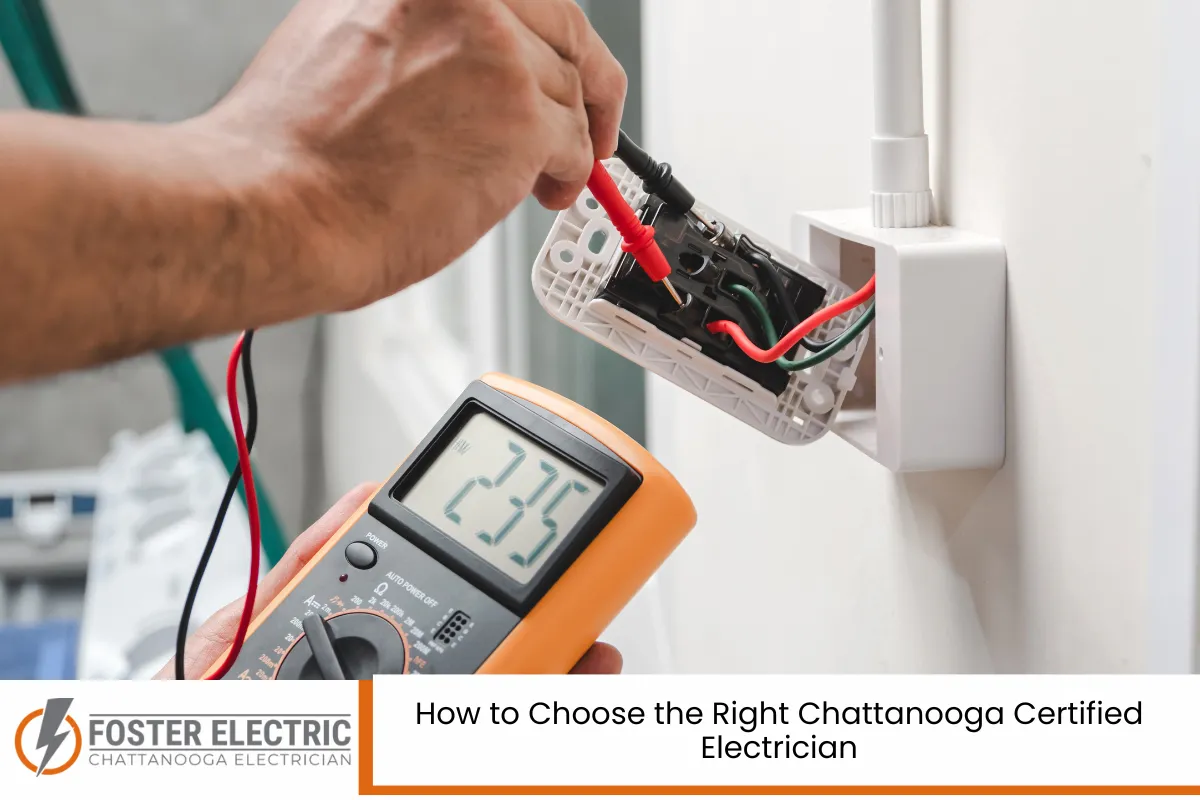
Look for Credentials and Reviews
Always verify that your electrician is licensed and insured. Check for positive reviews, references, and a history of successful projects in Chattanooga.
Ask About Permitting Procedures
A trustworthy electrician will clearly explain the permitting process and handle all paperwork on your behalf. If a contractor asks you to obtain your own permits or suggests skipping permits, that’s a red flag.
Get Transparent Quotes and Timelines
Request a detailed estimate that outlines the scope of work, materials, labor, permit costs, and expected timelines. This prevents surprises and helps you plan your project confidently.
Electrical Services That Require Permits—and Why Experience Matters
Common Homeowner Projects Requiring Permits
Homeowners often want to upgrade their electrical systems for safety, efficiency, or aesthetics. Some of the most frequent residential electrical services requiring permits include:
- Upgrading Electrical Panels: Replacing old panels ensures you have enough power for modern appliances and protects against overloads.
- Adding Outlets or Circuits: Expanding your home’s electrical capacity requires safe, code-compliant wiring.
- Whole-House Surge Protection: This upgrade prevents costly damage from electrical surges and is best handled by a certified electrician.
- Installing Standby Generators: Backup power systems require safe connections to your home’s main service panel.
Business Electrical Projects and Commercial Permits
Commercial properties face even stricter permitting requirements due to higher usage and safety concerns. Projects like installing commercial lighting, rewiring offices, upgrading service panels, or setting up emergency backup systems all require permits and expertise. Electrical contractors with commercial experience know how to navigate city and county codes for offices, restaurants, retail stores, and industrial spaces.
Specialty Services That Must Meet Local Codes
Some electrical services require specialized knowledge and strict adherence to Chattanooga codes:
- EV Charging Station Installations: New car charging stations must be installed by certified electricians and inspected for safety.
- Smart Home Automation: Integrating new technology with your existing wiring requires planning and careful execution.
- Outdoor and Landscape Lighting: Proper permitting ensures safe, weather-resistant installations that last.
The Consequences of Skipping Permits or Hiring Uncertified Electricians

Hidden Dangers in Unpermitted Electrical Work
While it may be tempting to save time or money by skipping permits or hiring an unlicensed electrician, the risks are substantial. Work done without permits is not inspected for safety, which means hidden hazards could lurk behind your walls—posing risks of shock, fire, and property damage.
Insurance and Legal Issues
If unpermitted work leads to an accident or fire, your homeowner’s insurance may not cover the damage. Moreover, Chattanooga code enforcement can issue fines or require you to tear out unapproved work, resulting in extra costs and delays.
Complications When Selling Your Property
Unpermitted work can derail real estate transactions. Buyers and lenders will request documentation for all electrical upgrades. Without the correct permits and inspections, you may face expensive repairs or even lose a sale.
What to Expect When Working with a Chattanooga Certified Electrician
Transparent Communication and Detailed Proposals
A reliable electrician will begin with a thorough assessment of your needs and explain which permits are required for your project. You’ll receive a detailed proposal outlining the scope of work, costs, and estimated timeline.
Handling All Paperwork and Inspections
Certified electricians handle all permit applications and schedule mandatory inspections with the local building department. You don’t need to worry about forms, fees, or missing important steps.
Professional Workmanship—Start to Finish
From the first inspection to the final walk-through, certified electricians work according to the highest safety and quality standards. After passing the final inspection, you receive documentation confirming your project was completed to code.
Chattanooga Certified Electrician – Foster Electric
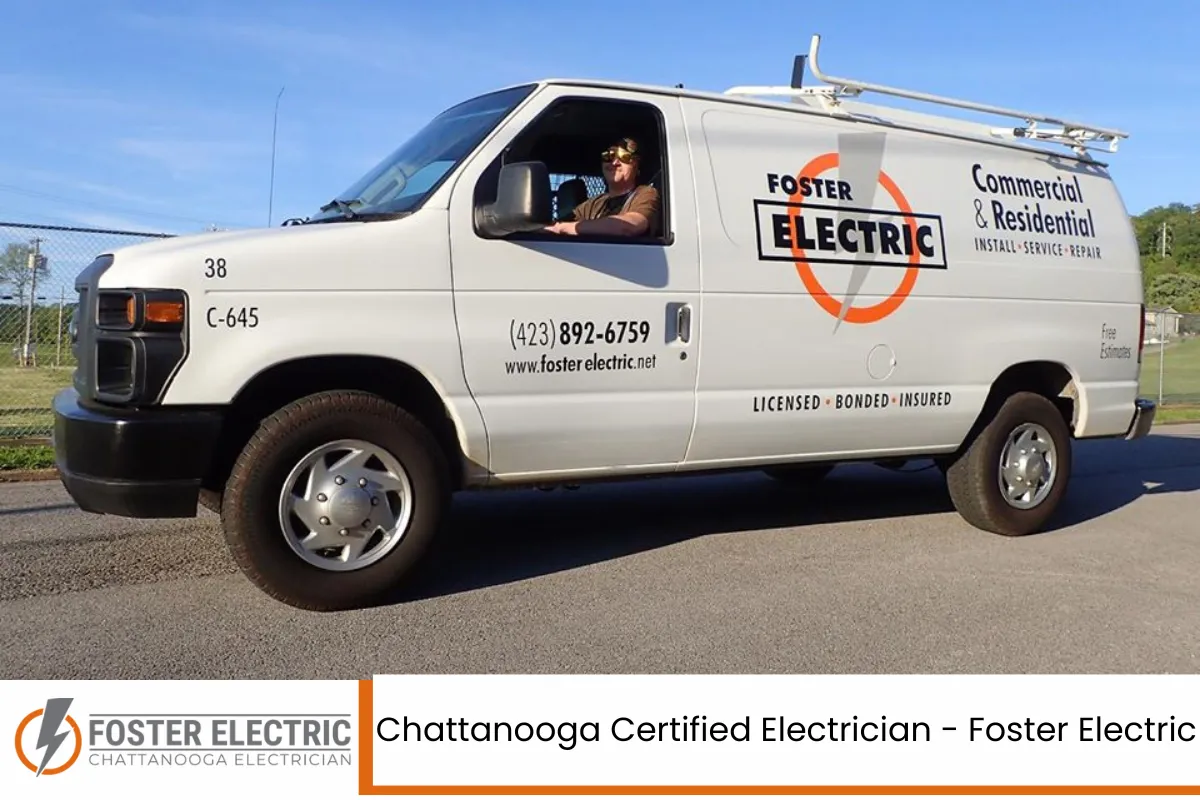
Are you looking for a certified electrician who takes care of permits and delivers quality results every time? Foster Electric is Chattanooga’s trusted team for residential and commercial electrical services. Our certified electricians are fully licensed, insured, and experienced in handling projects of any size—from simple repairs to complex rewiring jobs. We understand that navigating permits can feel overwhelming, which is why we manage the entire process for you, ensuring your project is completed safely, legally, and on time.
Located in Chattanooga, Tennessee, and serving all surrounding areas, Foster Electric is just a call away. We’re committed to reliable service, transparent pricing, and excellent customer care. Don’t wait—call us today at (423) 892-6759 or fill out our contact form to schedule your appointment with a certified electrician who puts your needs first.
Frequently Asked Questions
1. Can I do my own electrical work without a permit in Chattanooga?
In most cases, homeowners are not allowed to perform major electrical work without a permit, and certain projects require a certified electrician regardless of who does the work. Minor tasks like changing a light bulb or replacing an outlet cover usually don’t require a permit, but anything involving new wiring, circuit changes, or electrical panel upgrades must be permitted and inspected. Doing electrical work yourself without a permit can lead to code violations, insurance problems, and serious safety risks. Always check with the Chattanooga building department or a certified electrician before starting any electrical project.
2. How long does it take for an electrician to obtain an electrical permit in Chattanooga?
The permit process typically depends on the complexity of the project and the workload at the local building department. For most residential projects, permits can be approved within a few days to a week. More complex or commercial projects may take longer, especially if they require plan reviews or additional documentation. Experienced electrical contractors, like Foster Electric, have relationships with local officials and can often expedite the process, ensuring your project starts on time and progresses smoothly.
3. What happens during an electrical inspection in Chattanooga?
Once the permitted work is completed, the local building inspector visits your property to check that the installation meets all current safety codes and standards. The inspector reviews wiring, connections, grounding, panel installations, and any other relevant work. If everything passes, the permit is finalized and you receive documentation. If corrections are needed, your electrician will make the necessary adjustments and schedule a re-inspection. Certified electricians ensure the work is done right the first time to avoid delays.
4. Will a certified electrician handle all communication with the permitting office?
Yes, one of the key advantages of hiring a certified electrician or reputable electrical contractor is that they manage all communications with the city or county permitting office. This includes submitting paperwork, answering questions, providing additional information, and coordinating inspections. You don’t have to worry about navigating confusing requirements or dealing with city officials—your electrician handles it all and keeps you informed at each step.
5. Is there an extra cost for permit handling when I hire a certified electrician?
The cost of permits is typically included as a line item in your electrician’s estimate. Some electricians may charge a small administrative fee for managing the permitting process, but reputable companies are transparent about these costs upfront. The investment is well worth it, as handling permits properly protects your safety, property value, and legal standing. Always ask for a detailed estimate before your project begins so you understand all costs involved.
Read Chattanooga Certified Electrician: Do Electricians Fix Power Outages in Homes?