
Why One Room Goes Dark While the Rest of Your Home Still Works
An electrician in Chattanooga, TN, hears this question every week: “Why did just one room go dark?” You walk from a fully lit kitchen into a bedroom where every outlet is dead, the ceiling fan is silent, and your phone charger does nothing. A single room losing power is usually tied to a specific branch circuit, a tripped breaker, a loose connection, or a problem with an outlet or switch on that run. Left uninvestigated, these issues can hide fire hazards inside your walls. The good news? A qualified residential electrician can track down the fault safely, and this article will walk you through likely causes, safe checks, and when to call for professional electrical service in Chattanooga.
Key Takeaways
- A single room can lose power due to a tripped circuit breaker, a loose connection, or a faulty device on that branch circuit. These three causes account for the majority of room-specific outages.
- Before calling a professional, check for tripped GFCI outlets in bathrooms and garages, test the breaker position in your electrical panel, and verify the problem with a known-working lamp or charger.
- Never open panel covers or work on live wiring. Call a licensed electrician if breakers keep tripping, you smell burning, or hear buzzing sounds from walls or the panel.
- Many Chattanooga homes have older wiring, added rooms on overloaded circuits, or backstabbed receptacles that make single-room outages more likely and more dangerous without professional evaluation.
First Checks When One Room Loses Power
Before assuming a wiring disaster, run through a few observations that require no tools and no cover removal.
- Plug a known-working lamp or phone charger into several outlets in the dark room. Then test it in a room that has power. If the device works elsewhere, the outage is isolated to that circuit.
- Flip wall switches in the affected room. Tighten bulbs after turning the breaker off. Replace any clearly burnt-out lamps to rule out simple fixture failures.
- Note exactly which outlets and lights are dead. One breaker can feed multiple rooms, hallways, or a mix of receptacle locations and lighting circuits. Writing this down helps a pro diagnose faster.
- A GFCI outlet can cut power to other outlets downstream. GFCIs should be checked in nearby areas if power is lost in one room. Look in bathrooms, kitchens, garages, and exterior walls. Press the reset button if the device is intact and dry.
- If anything smells burnt, feels hot, or shows scorch marks, do not reset anything. Contact a licensed electrical contractor immediately.
How Circuit Breakers Protect Individual Rooms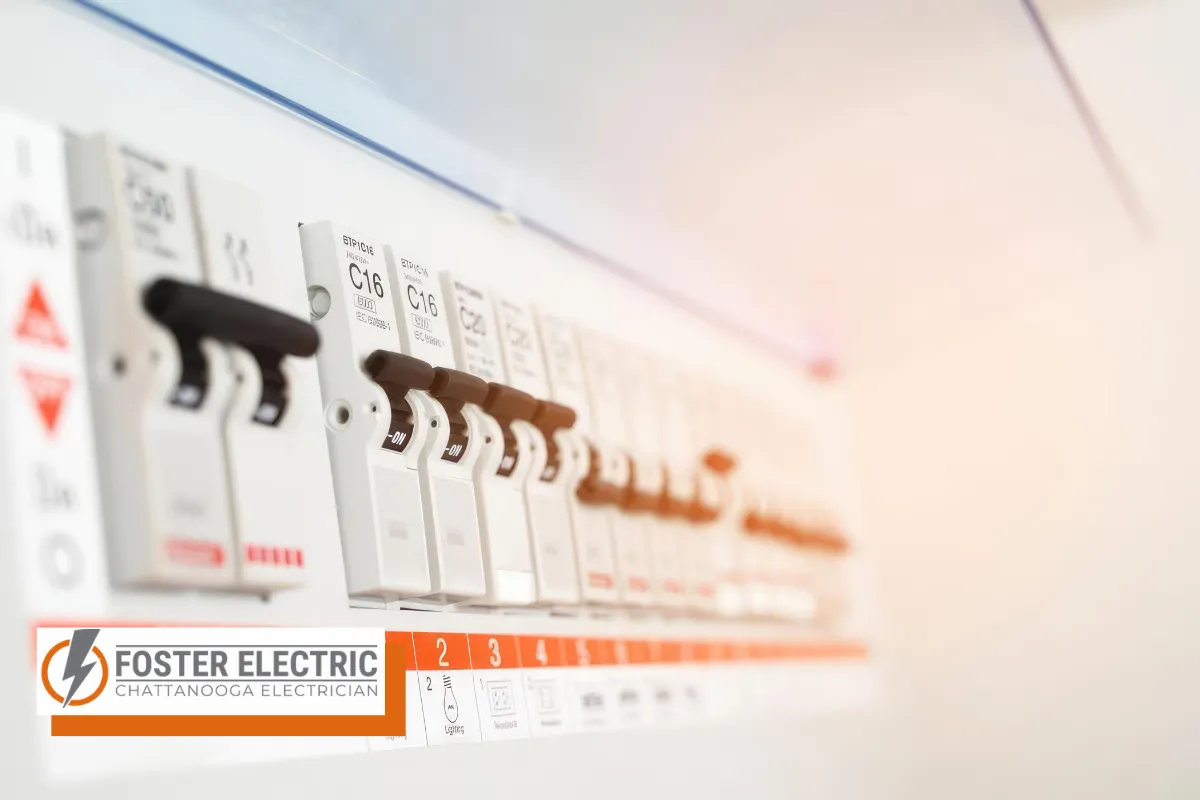
Your home’s electrical system is divided at the electrical panel into branch circuits, each controlled by its own circuit breaker. Circuit breakers protect wiring from overheating by interrupting current flow when it exceeds safe limits. A 15-amp or 20-amp breaker may feed multiple outlets and lights, so a problem in one area can knock out an entire room or section of the house.
To spot a tripped circuit breaker, look at the breaker box without removing the dead-front cover. A tripped breaker handle sits between the ON and OFF position compared with the others in the panel. To reset it safely, stand to the side, firmly switch the handle fully to OFF, then back to ON. If the breaker trips again immediately, stop. Do not force it.
Circuit breakers trip for three reasons: circuit overload, a short circuit, or a ground fault. Each has distinct causes and warning signs covered below.
Household circuit breakers do not reset themselves. If power returns to the room without anyone touching the panel, the issue may involve utility equipment or an intermittent wiring fault that still needs professional inspection.
Most Common Reasons One Room Loses Power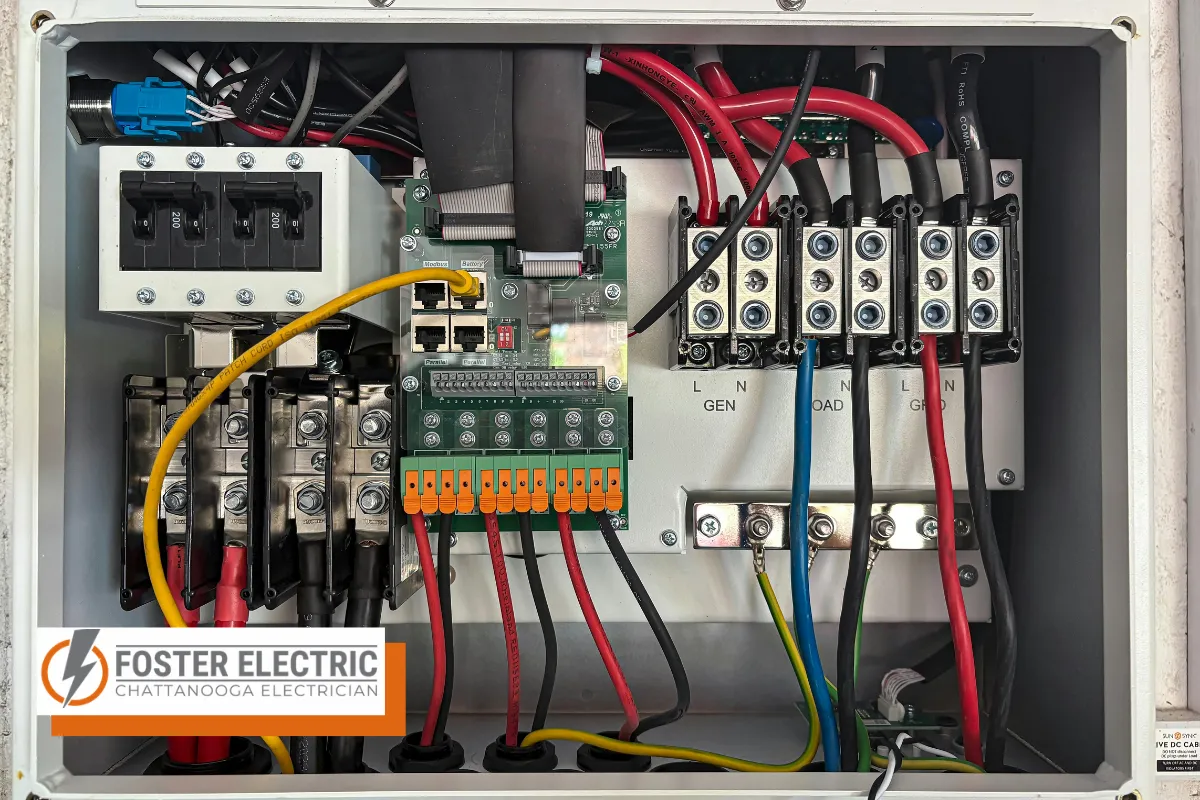
Single-room outages usually trace back to a few core issues: an overloaded circuit, a short circuit or ground fault in wiring or fixtures, a loose connection at outlets or switches, and aging or damaged components. A defective receptacle can interrupt the flow of electricity to everything downstream of it. Older homes may have blown fuses that cut power to specific zones if the panel predates modern breakers. Damaged wiring can cause local outages in a branch circuit, especially in homes with multiple generations of repairs or unpermitted additions.
Some patterns are easy to recognize. A space heater tripping a breaker every time you turn it on points to overload. But intermittent or random losses of power in one room often require diagnostic tools and training to resolve.
Circuit Overload and Overloaded Room Circuits
An overloaded circuit has too many devices running simultaneously, drawing more electrical current than the breaker was designed to handle. A 20-amp breaker trips when over 20 amps flow through it. On a 15-amp bedroom circuit, that threshold is even lower.
Concrete example: a microwave draws 10 amps and an air fryer 14 amps. Running both on the same 20-amp circuit exceeds capacity and trips the breaker. In a bedroom, a space heater, window AC unit, gaming PC with multiple monitors, and a TV can easily overwhelm a single 15-amp line. High-draw appliances can overload a circuit and cause a trip even when each device individually seems modest.
Frequent tripping when certain combinations of devices run is the clearest clue of overload rather than wiring damage. Excessive heat from overload can damage circuit wires over time, degrading insulation and creating future hazards.
Safe homeowner steps:
- Unplug large loads from the affected room.
- Reset the breaker once.
- Plug devices back in one at a time.
- Redistribute high-wattage equipment to outlets on different circuits.
Do not install a larger amperage breaker without upgrading the wiring. Do not daisy-chain power strips or run extension cords as permanent solutions. Both violate electrical codes and create a fire hazard. If a room routinely needs more power, contact a residential electrician to discuss adding new circuits, upgrading the panel, or running dedicated lines for heavy loads.
Short Circuits and Ground Faults in One Room
A short circuit occurs when a hot wire contacts another wire, creating a sudden surge of current that makes circuit breakers trip instantly. Short circuits can cause electric shocks and fires. A ground fault occurs when a hot wire touches a non-current carrying part, such as a metal junction box or appliance housing. Ground faults can cause electrical fires and shocks, particularly around damp surfaces.
Signs a homeowner might notice:
- The breaker trips the moment it is reset, with nothing plugged in.
- A pop or flash at an outlet or light fixture.
- Power loss only when plugging in a particular device.
Ground-fault circuit interrupters (GFCI) monitor for ground faults and disconnect the circuit within milliseconds. In Chattanooga homes with damp basements, bathrooms, and exterior walls, ground faults around improperly protected outlets or damaged cords are common. Chattanooga adopted the NEC 2023, which requires GFCI protection near water sources and AFCI protection on bedroom branch circuits.
To isolate the issue, unplug everything in the affected room and try to reset the breaker. If it still trips with nothing connected, a wiring fault inside an outlet, switch, or fixture box is likely. Inspect wiring for discoloration to identify short circuits. Contact an electrician for shorts or ground faults in wiring; these are not a DIY repair.
Read What Causes Electrical Sparks from Outlets? An Electrician in Chattanooga, TN Explains
Loose Connections, Aging Wiring, and Intermittent Power Loss
Not all faults cause an immediate trip. Loose wiring can interrupt power to downstream outlets and lights without ever triggering the breaker. Backstabbed receptacles, worn wire nuts, or corroded switch terminals can heat up under load, arc, and eventually fail, sometimes leaving half a room dead because that device was feeding power through to the next outlet in the chain.
Warning signs to watch for:
- Outlets or switch plates that feel warm to the touch
- Buzzing or crackling sounds when a load turns on
- Flickering lights indicate a potential electrical issue, especially when a specific appliance runs in the same room
Do not ignore intermittent issues. Repeated arcing can char insulation and present a fire hazard even when power seems to return on its own. In older Chattanooga houses with pre-1980 wiring, cloth or rubber insulation, and multiple layers of repairs, these connections deteriorate faster.
During a service call, an electrical contractor will tighten terminations, replace damaged devices, and test continuity on the affected circuit to confirm the problem is fully resolved. Having this work done proactively prevents a nuisance outage from becoming an electrical emergency.
Room-Specific Troubleshooting You Can Do Safely
Before a pro arrives, a few safe steps can speed up the diagnosis.
- Map which outlets, lights, and switches are dead. Include adjacent hallways and rooms. A simple sketch helps the electrician identify which circuit is involved.
- Press RESET on any GFCI outlets that may feed the dead room. Check bathrooms, the garage, and exterior receptacles.
- Locate the main breaker panel and identify any breaker in the mid-position. Reset it once using the OFF-then-ON method.
- Unplugging heavy appliances can help restore power after a trip. Remove space heaters, window air conditioners, and other large loads before resetting to reduce the chance of an immediate re-trip.
- Document what was running when the power went out. Note any weather events or utility work. Electrical issues may arise from storm-related damage, and sharing these details with the residential electrician speeds up diagnosis.
When a Single-Room Outage Becomes a Safety Emergency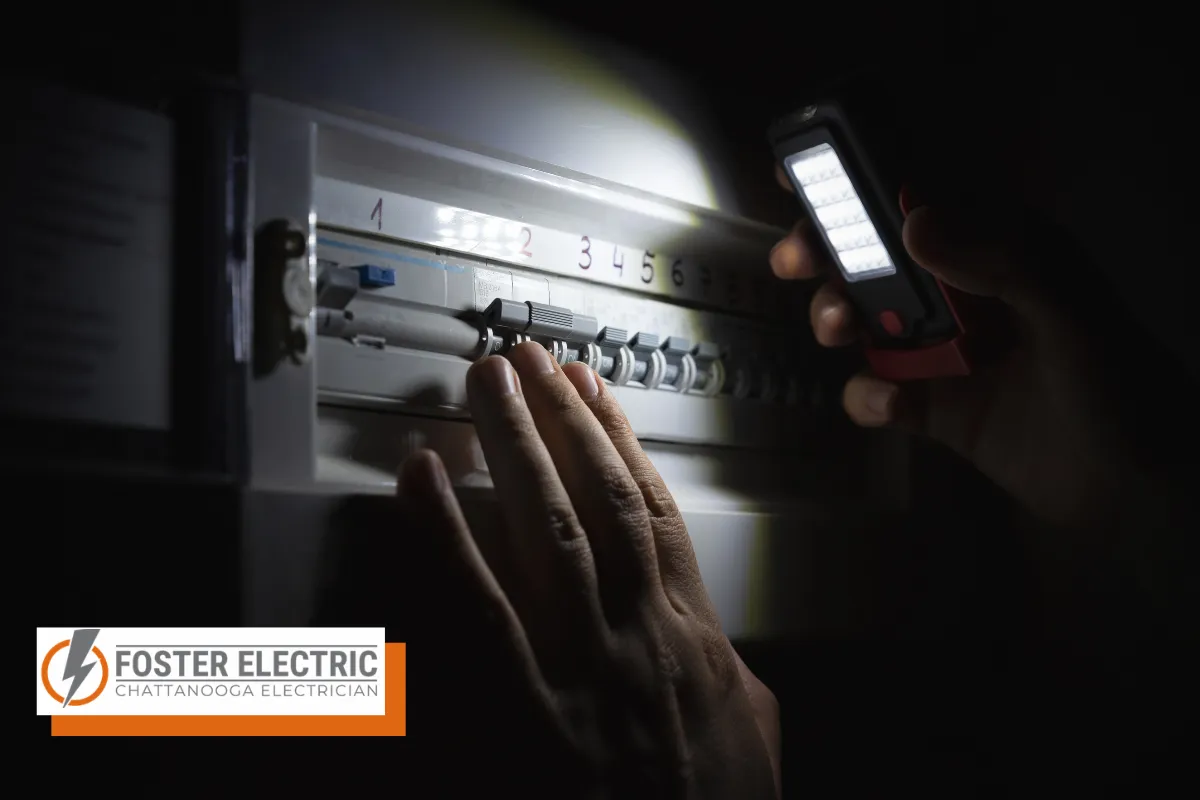
While some single-room outages are simple nuisance trips, others signal hazards that require immediate action.
- Check for burning smells, scorch marks, and warm outlets as safety warnings. Burning smells from the panel suggest overheating issues. Call an electrician if you smell burning; do not attempt to reset or repair anything yourself.
- Buzzing or popping sounds from the panel require immediate attention, whether the noise comes from inside the wall, a light fixture, or the breaker box itself.
- Any sensation of electric shocks or a tingle when touching appliances, metal plates, or plumbing near the affected room means you should unplug devices and call a licensed electrician immediately.
- Repeatedly tripping breakers suggest a serious problem. Do not tape breakers in the ON position. Do not open dead-front panel covers or junction boxes without training. Inspect for burn marks if a breaker trips frequently.
- In severe cases involving smoke, flames, or visible arcing, cut power at the main breaker or main disconnect if it is safe to do so. Evacuate and call emergency services before contacting an electrical contractor for repair work.
Between 2012 and 2016, electrical distribution equipment accounted for roughly 9.5% of structure fires and over 14% of fire deaths in Tennessee, according to the Tennessee State Fire Marshal. Loose connections and overloaded circuits were frequent contributing factors. Treating warning signs seriously can prevent your home from becoming part of that statistic.
How Chattanooga Electricians Diagnose Power Loss in One Room
While homeowners can perform basic checks, a trained commercial or residential electrician uses a systematic process and specialized equipment to find the exact fault point.
- Initial assessment: the electrician reviews your notes, inspects the panel for tripped breakers, overheating signs, or mislabeled circuits, and confirms voltage at the affected breaker with a meter.
- Inspect all circuits when diagnosing power issues in one room. Pros test continuity along the branch circuit, open devices safely to inspect wire terminations, and use receptacle testers, multimeters, or insulation resistance meters to locate breaks or shorts.
- In Chattanooga, licensed electricians follow the National Electrical Code as adopted locally (NEC 2023, effective May 26, 2023). Repairs typically include bringing unsafe or outdated parts of the affected circuit up to current standards.
- Flickering lights indicate a malfunctioning electrical panel in some cases, prompting the electrician to check bus bar connections, breaker contacts, and the neutral bus for signs of looseness or corrosion.
- A qualified electrician will explain findings, show you any damaged devices or wiring, and provide repair options such as adding circuits, upgrading the breaker, or recommending panel improvements if capacity is marginal.
Professional diagnosis restores power and reduces long-term fire and shock risks throughout your home’s electrical system.
Preventing Future Single-Room Power Problems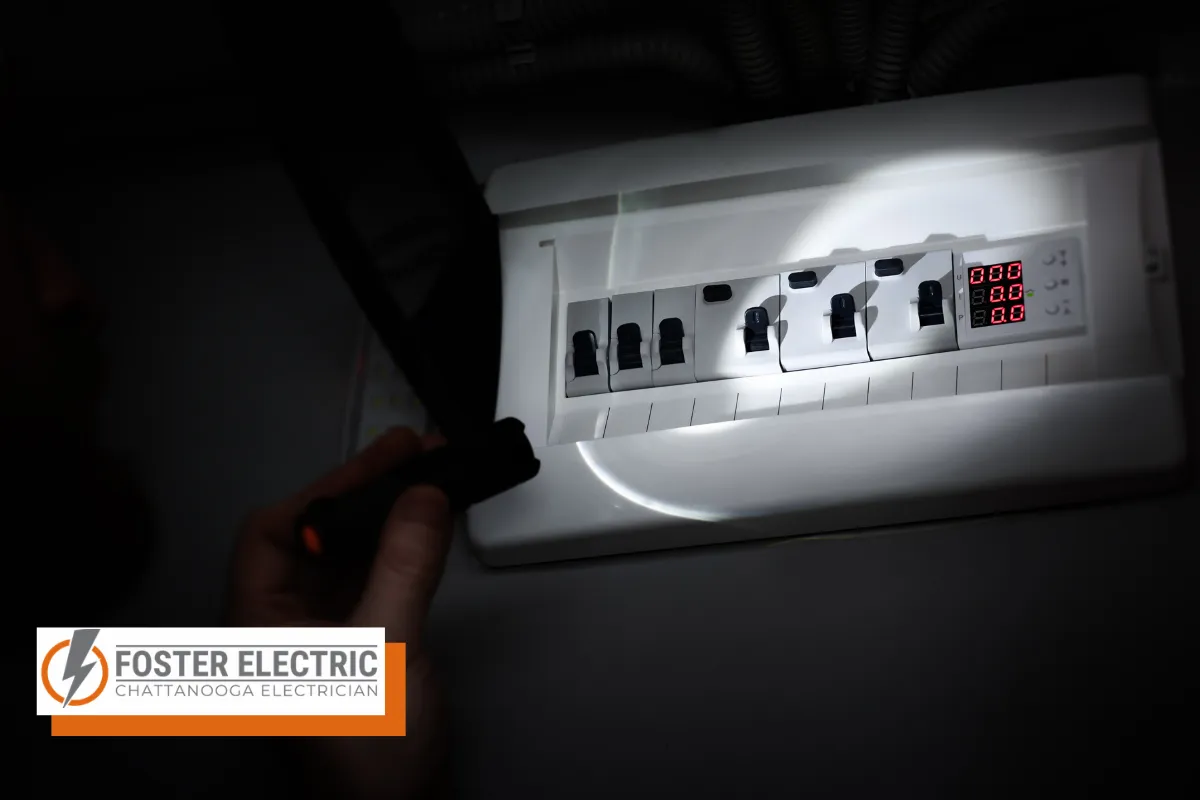
Once power is restored, proactive steps can keep that room from going dark again.
- Redistributing loads can help prevent circuit overloads. Move high-wattage devices to outlets on different circuits. Limit space heater use to one per circuit.
- Check outlets and switches periodically for looseness, discoloration, or warmth. If anything seems off during normal use, call an electrician before the issue escalates.
- Schedule an electrical panel inspection every few years, especially in older Chattanooga homes. This ensures circuit breakers are sized correctly, connections remain tight, and the equipment can handle your current load.
- Repeated tripping may require an electrical panel upgrade. If your home still operates on a 100-amp panel and you have added rooms, appliances, or home office equipment, upgrading to 200-amp service gives each circuit room to operate without tripping.
- Add dedicated lines for home offices, laundry equipment, or workshop tools to keep bedroom or living room circuits from becoming overloaded.
- Upgrade to AFCI breakers on bedroom circuits and install properly located GFCI protection in wet areas. These devices detect arcing and current leakage before they cause electrical fires, reducing the risk that a single-room outage turns into something far worse.
Electrician in Chattanooga, TN – Foster Electric
We are Foster Electric, a trusted electrician serving Chattanooga, Tennessee and the prominent surrounding areas. Our licensed team specializes in diagnosing and fixing single-room power loss, breaker trips, and electrical panel concerns for both residential and light commercial properties. We follow local code, use quality materials, and deliver lasting solutions rather than temporary patches. If you are dealing with a room that keeps losing power, flickering lights, warm outlets, or a breaker that will not stay on, we can help. Call us at (423) 892-6759 or fill out our online contact form for prompt scheduling. We offer clear upfront communication and work to get your electrical service restored as quickly as possible.
Frequently Asked Questions
How long can I safely wait to address a room that keeps losing power?
If the outage was a one-time breaker trip clearly tied to running too many appliances and the breaker holds after a reset with the load reduced, you can monitor the situation over the next few days. Keep the load on that circuit lighter than before. However, if the room loses power repeatedly, you notice a burning smell, hear buzzing from the walls, or feel warmth at any outlet or switch, schedule a same-day or next-day evaluation with a qualified electrician. Waiting more than a day or two when warning signs are present increases the chance of wiring damage, insulation breakdown, or fire. Treat repeated outages as an active problem, not a quirk of an old house.
Can smart plugs or power strips cause a single room to lose power?
Yes. Overloaded power strips, daisy-chained extension cords, and defective smart plugs can all trip a breaker or overheat a connection, affecting every outlet fed by that circuit. A power strip rated for 15 amps does not increase the capacity of the 15-amp branch circuit it is connected to; it just adds more places to plug in devices, which raises the total load. Defective smart plugs with internal shorts can also trip breakers or damage the receptacle they are plugged into. Use only UL-listed surge protectors, avoid chaining multiple strips together, and distribute heavy loads across separate circuits. Replace any power strip that feels warm, smells burnt, or has visible damage to its cord or housing.
Is it normal for my lights to dim slightly before one room loses power?
Occasional, minor dimming when a large motor starts (like a refrigerator compressor) can be normal across many homes. What is not normal is repeated or sustained dimming in the same room before the power cuts out. This pattern often indicates loose connections or a voltage drop along the branch circuit feeding that room. Each dim-then-dark cycle may involve arcing at a failing termination, which generates heat and degrades insulation. Left unaddressed, this can escalate to a fire hazard. If you observe this pattern more than once, have an electrician inspect the connections in that room’s outlets, switches, and junction boxes. A voltage drop test and thermal scan can pinpoint the weak link.
What should I ask an electrician before they work on my electrical panel?
Ask whether they hold a current license recognized in Chattanooga and carry liability insurance. Ask about their experience with troubleshooting single-room outages and older residential wiring. Request a written estimate before work begins, and confirm whether recommended repairs will meet current NEC 2023 standards as adopted locally. Ask if the work will accommodate your future load needs, such as adding a home office circuit or upgrading from a 15-amp to a 20-amp branch. Finally, ask about the warranty on parts and labor. A professional electrician should be willing to answer all of these questions before starting any installation or repair.
Can a partial outage in one room be caused by a faulty neutral wire?
A loose or damaged neutral wire can create confusing symptoms: some outlets in a room may work while others do not, lights may dim and brighten unpredictably, and computers or sensitive equipment may behave erratically. This happens because electricity flows through a complete circuit, and the neutral wire carries the return current. When that path is broken or has high resistance, voltage becomes unstable. In some cases, voltage on a 120-volt circuit can rise well above safe levels, damaging appliances and creating shock risk. Neutral problems do not always trip a breaker, which makes them harder to detect and more dangerous. If outlets in the same room behave inconsistently, call a licensed electrician for immediate diagnosis rather than waiting.
Disclaimer: This article provides general electrical information for Chattanooga homeowners and is not a substitute for on-site inspection. All electrical work should be performed by a properly licensed electrician in compliance with locally adopted codes.
Read How to Know If an Outlet Needs Replacement: Advice from an Electrician in Chattanooga, TN