
Powering Modern Homes in a Changing Energy Landscape
Chattanooga Electrician services are in higher demand than ever as homeowners upgrade aging wiring, add smart technology, and prepare for electric vehicles. Many houses in the region were built decades ago, long before today’s energy needs. Outdated panels, limited outlets, and insufficient grounding create inconvenience and safety concerns. Add new appliances, home offices, and EV chargers, and the strain grows. Ignoring these issues can lead to frequent breaker trips, higher energy bills, and even fire risks. The solution lies in understanding the latest trends in residential electrical systems. From smart panels to whole-home surge protection, modern upgrades improve safety, efficiency, and home value while keeping your property compliant with Tennessee regulations.
Smarter Electrical Panels and Intelligent Load Management
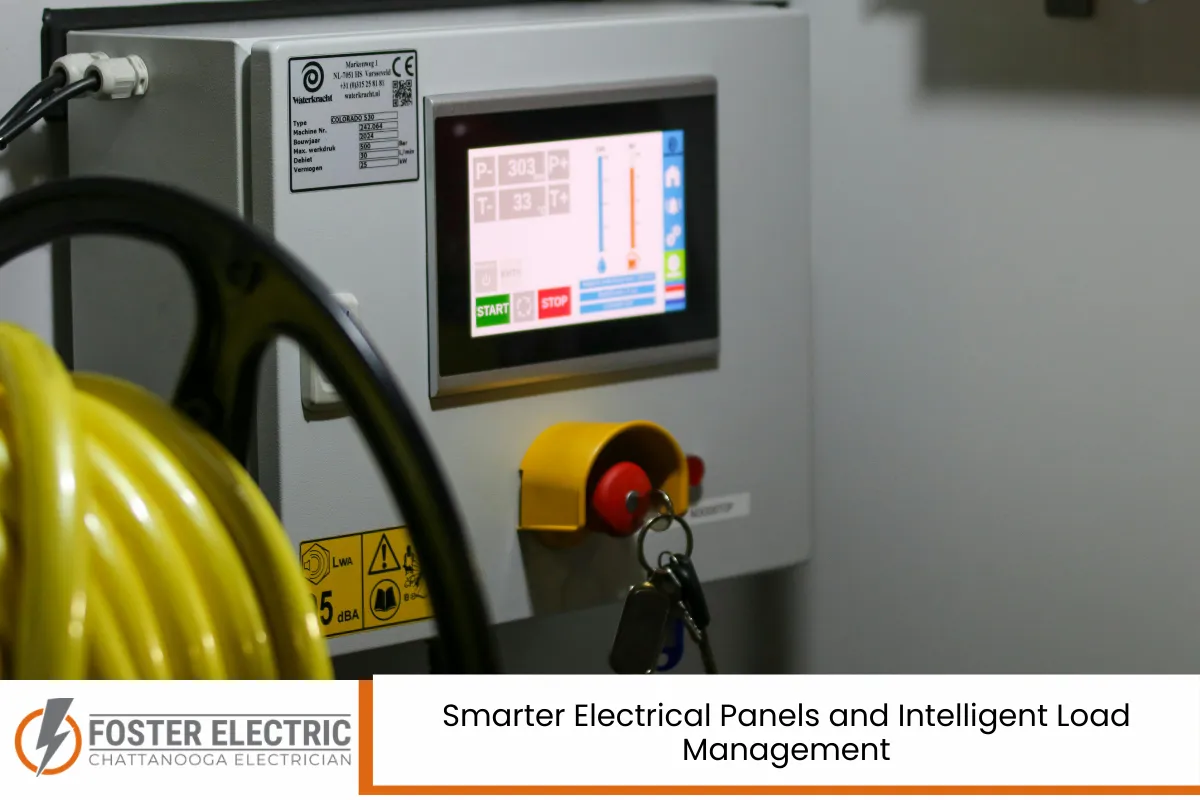
One of the biggest advancements in residential electrical systems is the rise of smart electrical panels. Traditional breaker panels simply distribute power. Today’s versions monitor energy usage in real time and allow homeowners to control circuits remotely through mobile apps.
Why Smart Panels Matter
Smart panels provide:
- Real-time energy monitoring
- Remote circuit control
- Load shedding during peak demand
- Integration with solar systems and battery storage
With more homes adding high-demand equipment like HVAC systems, electric ranges, and EV chargers, intelligent load management prevents overloads. A licensed residential electrician can evaluate whether your current panel supports these features or if a service upgrade is necessary.
Tennessee Code Considerations
In Chattanooga and throughout Tennessee, electrical installations must comply with the National Electrical Code (NEC) as adopted by the state. Panel upgrades typically require permits and inspections through the local building authority. Working with a qualified electrical contractor ensures all wiring, grounding, and bonding meet current code requirements.
Whole-Home Surge Protection Is Becoming Standard
Modern homes rely on sensitive electronics. From refrigerators with digital boards to smart TVs and security systems, voltage spikes can cause costly damage.
Whole-home surge protectors are now recommended during panel upgrades. Installed directly at the service entrance, these systems protect every circuit in the house.
What Causes Power Surges?
- Lightning strikes
- Utility grid switching
- Large appliances cycling on and off
- Downed power lines
An experienced electrician can install surge protection that meets NEC Article 230 requirements. This simple upgrade protects your investment and extends the life of your appliances.
EV Charger Installation at Home
Electric vehicles are rapidly increasing across Tennessee. Homeowners are investing in Level 2 charging stations for faster charging times compared to standard outlets.
Why Professional Installation Matters
EV chargers require:
- Dedicated circuits
- Proper breaker sizing
- Adequate panel capacity
- Compliance with NEC Article 625
Improper installation can overload circuits or void warranties. A residential electrician will calculate load requirements and determine whether a panel upgrade is necessary.
Planning for the Future
Even if you do not currently own an EV, pre-wiring during renovations is a cost-effective strategy. An electrical contractor can install conduit and capacity now to avoid future drywall removal.
Energy Efficiency and LED Lighting Innovations
Lighting technology continues to evolve. LED lighting is no longer just an energy-saving option; it’s a standard feature in new construction and remodels.
Benefits of LED Upgrades
- Lower energy consumption
- Longer lifespan
- Reduced heat output
- Smart dimming capabilities
Homeowners in Chattanooga are switching to recessed LED lighting, under-cabinet fixtures, and outdoor landscape systems. An electrician can design layered lighting plans that enhance both comfort and resale value.
Advanced Lighting Controls
Smart switches, occupancy sensors, and daylight harvesting systems reduce unnecessary power use. Many systems integrate with home automation platforms for centralized control.
Home Backup Power and Battery Storage Systems
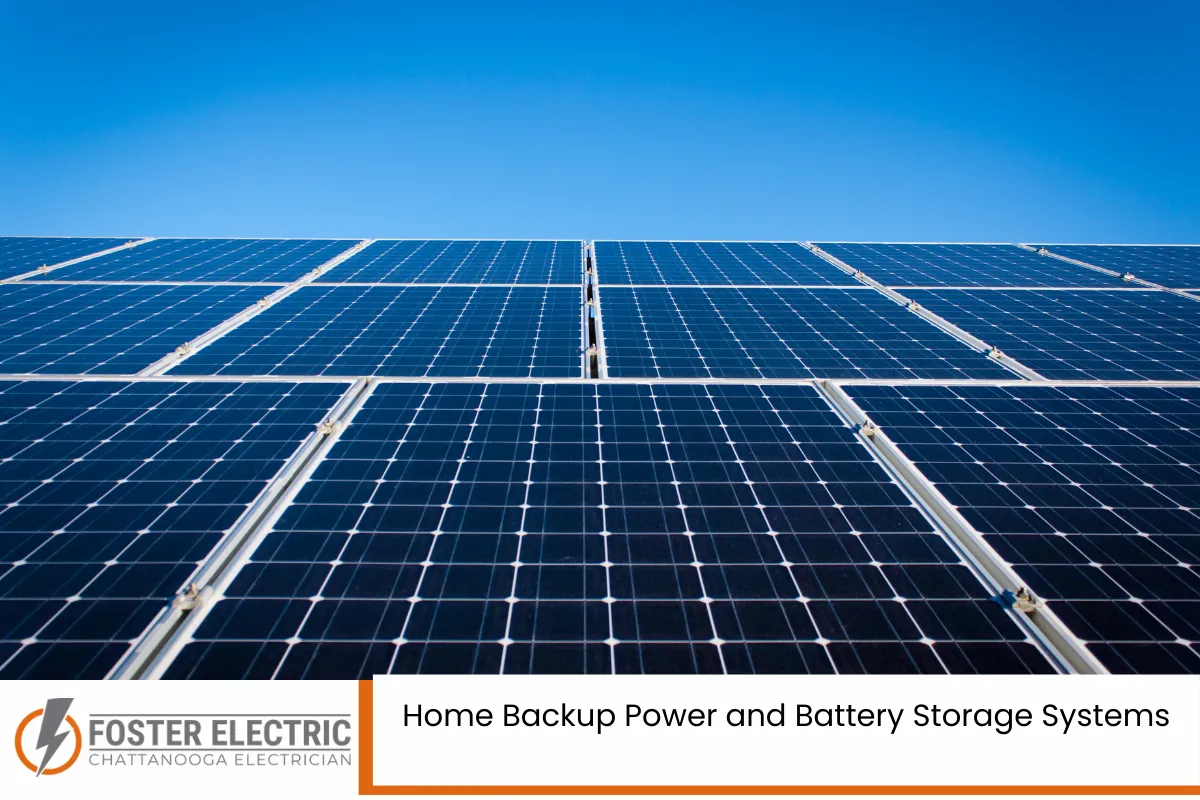
Extreme weather events have increased demand for reliable backup power. Portable generators are still common, but permanently installed standby generators and battery storage systems are trending.
Generator Integration
Standby generators automatically activate during power outages. Installation requires:
- Transfer switches
- Fuel supply coordination
- Proper grounding
- Inspection approval
A licensed electrical contractor ensures compliance with NEC Articles 700 and 702 governing optional standby systems.
Solar and Battery Storage
Pairing solar panels with battery storage provides energy independence. Systems must comply with interconnection requirements from local utilities and building codes. Load calculations and safety disconnects are critical components.
GFCI and AFCI Protection Expansions
Electrical safety standards continue to evolve. The NEC now requires Ground Fault Circuit Interrupter (GFCI) and Arc Fault Circuit Interrupter (AFCI) protection in more areas than ever before.
Where Protection Is Required
Modern code requires protection in:
- Kitchens
- Bathrooms
- Garages
- Outdoor outlets
- Bedrooms
- Laundry rooms
Homes built before these rules may lack proper safeguards. Upgrading outlets and breakers improves protection against electrical shock and fire hazards.
A qualified electrician understands which circuits require protection under the latest adopted code in Tennessee.
Read Does a Chattanooga Electrician Install Smart Thermostats Like Nest or Ecobee?
Smart Home Integration and Automation
Smart home technology is reshaping residential electrical systems. Today’s homeowners want convenience and efficiency in one seamless system.
Common Smart Upgrades
- Smart thermostats
- Automated lighting
- Security camera systems
- Doorbell cameras
- Smart door locks
Many systems require low-voltage wiring and structured cabling. A residential electrician ensures clean installation without overloading circuits or violating code requirements.
Structured Wiring Panels
New homes often include centralized wiring panels for networking, cable, and automation systems. These panels reduce clutter and simplify future upgrades.
Dedicated Circuits for Modern Living
Older homes were not designed for today’s electrical demand. Kitchens, home offices, and entertainment centers require dedicated circuits.
High-Demand Areas in Homes
- Kitchen appliances
- HVAC systems
- Home office equipment
- Workshop tools
- Laundry appliances
An electrical service upgrade may be necessary if your home still operates on a 100-amp panel. Many modern homes require 200-amp service to safely handle current loads.
Panel Upgrades and Service Capacity Expansion
One of the most common trends in Chattanooga is upgrading outdated fuse boxes or 100-amp panels to 200-amp systems.
Signs You Need an Upgrade
- Frequent breaker trips
- Flickering lights
- Warm outlets
- Limited breaker space
- Adding large appliances
Upgrades require coordination with the local utility provider and permitting. A licensed electrical contractor handles load calculations, grounding electrode systems, and inspection scheduling.
Outdoor Living and Landscape Lighting

Outdoor spaces are becoming extensions of the home. Patios, decks, and outdoor kitchens require safe and weather-resistant wiring.
Popular Outdoor Installations
- Landscape lighting
- Pool and spa wiring
- Outdoor ceiling fans
- Security lighting
- GFCI-protected outlets
Weatherproof enclosures and proper burial depth for underground wiring are essential. Electrical service installations must meet NEC requirements for wet and damp locations.
Home Office and Data Infrastructure Upgrades
Remote work has increased the need for stable power and data systems.
Electrical Considerations for Home Offices
- Dedicated circuits
- Surge protection
- Backup power
- Structured Ethernet wiring
An experienced electrician ensures proper circuit design to avoid overloads caused by computers, monitors, and printers running simultaneously.
Code Compliance and Permitting in Chattanooga
Electrical work in Chattanooga must comply with the Tennessee Department of Commerce and Insurance regulations and locally adopted building codes.
Important Legal Considerations
- Permits are required for most electrical service upgrades.
- Only licensed contractors may perform certain installations.
- Inspections ensure compliance with NEC standards.
Hiring a qualified residential electrician protects homeowners from fines, failed inspections, and insurance complications.
Electrical Safety Inspections for Aging Homes
Homes built before the 1990s may have outdated wiring systems, including aluminum branch wiring or insufficient grounding.
What an Inspection Includes
- Panel evaluation
- Load calculation
- Grounding system verification
- Outlet testing
- GFCI/AFCI compliance review
Preventative inspections identify hazards before they become emergencies.
Future-Focused Wiring for Renovations and New Builds
New construction homes in Chattanooga increasingly incorporate:
- Pre-wiring for EV chargers
- Solar-ready panels
- Smart device infrastructure
- Expanded breaker capacity
Planning ahead during construction is more cost-effective than retrofitting later.
Why Modern Electrical Trends Matter for Property Value
Updated electrical systems improve:
- Safety
- Energy efficiency
- Insurance eligibility
- Home resale value
Buyers often request electrical inspections during real estate transactions. Upgrades performed by a licensed electrician demonstrate compliance and reliability.
Chattanooga Electrician – Foster Electric
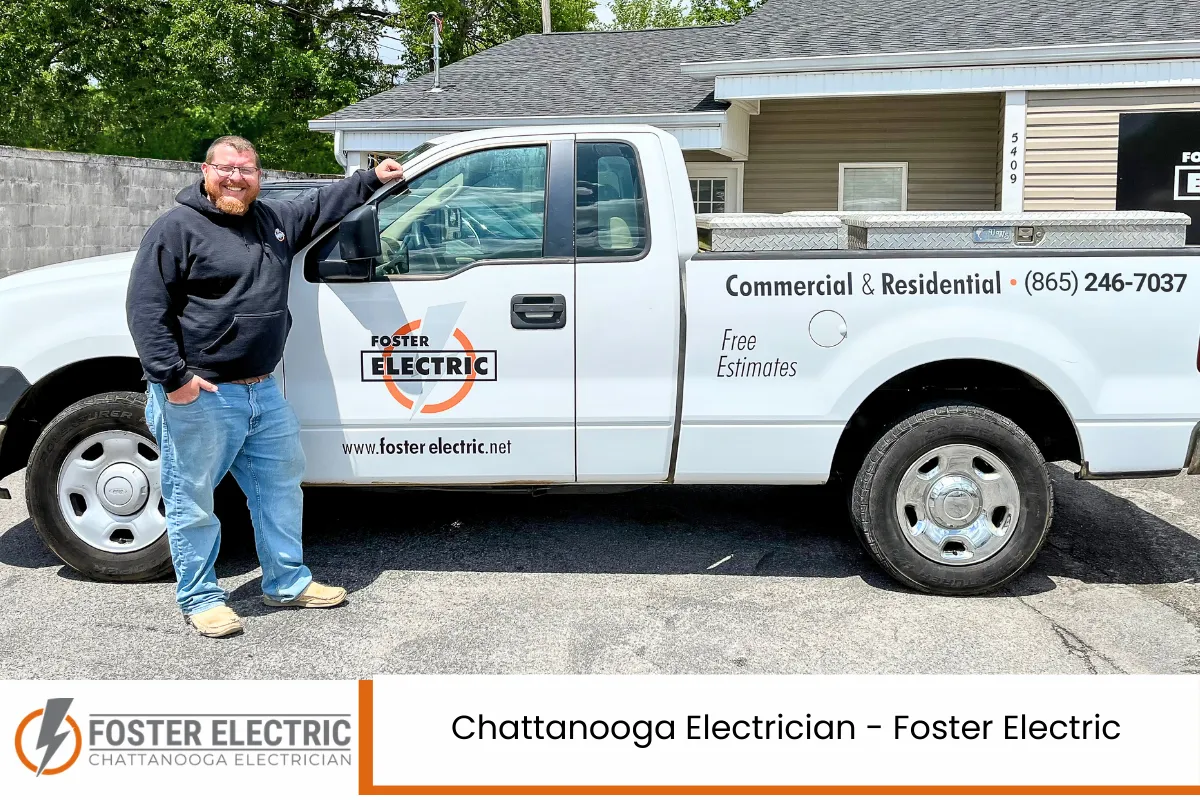
At Foster Electric, we understand how quickly residential electrical systems are evolving. As a trusted electrician serving Chattanooga, Tennessee and the surrounding areas, we help homeowners upgrade panels, install EV chargers, improve lighting, and enhance overall safety. Our team delivers professional electrical service that meets local codes and modern energy demands. Whether you need a panel replacement, surge protection, or smart home integration, we are ready to help. We focus on safe installations, clean workmanship, and dependable results. Call us today at (423) 892-6759 or fill out our contact form to schedule your service. Let Foster Electric power your home with reliable solutions built for the future.
Frequently Asked Questions
1. How often should a residential electrical system be inspected?
A home’s electrical system should typically be inspected every 3 to 5 years, especially if the property is older than 25 years. Inspections are also recommended before purchasing a home or after major renovations. An electrician will check for outdated wiring, improper grounding, overloaded circuits, and code compliance. If your home has aluminum wiring or a fuse box, inspections should be more frequent. Regular evaluations help prevent electrical fires, reduce insurance risks, and identify necessary upgrades before problems escalate into costly repairs or safety hazards.
2. What is the difference between a 100-amp and 200-amp electrical service?
A 100-amp service was once standard for smaller homes with fewer appliances. However, modern households require more capacity due to HVAC systems, electric water heaters, and EV chargers. A 200-amp service provides additional breaker space and increased power availability. This reduces overload risks and supports future expansions. An electrical contractor performs load calculations to determine the correct service size. Upgrading may involve new service cables, meter base replacement, grounding improvements, and coordination with the local utility provider.
3. Are permits required for installing an EV charger in Chattanooga?
Yes, most EV charger installations require a permit and inspection in Chattanooga. Because Level 2 chargers operate on 240 volts and require dedicated circuits, they must comply with NEC standards. The permitting process ensures that wiring, breaker sizing, and grounding are properly installed. Working with a licensed residential electrician simplifies the process and prevents delays. Skipping permits can result in fines, insurance issues, or complications when selling your home. Proper installation ensures safe charging and protects your electrical system from overload.
4. Can smart home devices overload my electrical panel?
Smart home devices themselves consume minimal power, but collectively they increase overall electrical demand. Adding smart lighting, security systems, automated blinds, and connected appliances can strain an already full panel. If your panel lacks extra breaker space or operates near capacity, expansion may be necessary. An electrician can assess load requirements and determine if a subpanel or full service upgrade is appropriate. Planning ahead prevents frequent breaker trips and ensures your system remains reliable as technology evolves.
5. What are the warning signs of outdated wiring?
Common warning signs include flickering lights, buzzing outlets, discolored switches, warm wall plates, and frequent breaker trips. Homes built before the 1970s may contain knob-and-tube or aluminum wiring, which can pose safety risks if not properly maintained. An electrical service inspection can identify these issues and recommend corrective action. Ignoring outdated wiring increases fire risk and may affect homeowner insurance coverage. Prompt upgrades ensure your system meets current safety standards and protects your property.
Important Notice: This article is for general informational purposes only and does not replace professional electrical advice or official code guidance. Always consult a licensed electrician in Chattanooga, Tennessee for installations, repairs, and inspections to ensure compliance with local and state regulations.