
If you live in East Ridge, Tennessee, and your home still relies on outdated outlets, flickering lights, or overloaded circuits, it may be time for some serious electrical upgrades. A residential electrician can help modernize your home with safer, smarter, and more energy-efficient solutions.
Homes today are packed with modern appliances, smart home features, and energy-efficient upgrades—all of which demand more electrical power than ever before. Whether you’re preparing for future tech or just want to stop your breakers from tripping every time you microwave something, this guide walks you through the top electrical upgrades a qualified electrician can offer.
Let’s break it down step-by-step.
Why You Should Consider Electrical Upgrades
A lot of homes in East Ridge still have vintage systems—think 100-amp service, old two-prong outlets, and aluminum wiring. That might have worked 50 years ago, but not anymore.
Here’s why you should upgrade:
- Safety: Avoid electrical fires, power surges, and frequent circuit breaker trips.
- Convenience: Power more kitchen appliances, smart outlets, and devices without constantly resetting breakers.
- Value: Homes with newer electrical systems are easier to sell and can appraise higher.
- Future-readiness: Think EV chargers, solar panels, and smart home upgrades—all need more power capacity.
It’s not just about powering today’s needs—upgrades prepare your home for future power requirements and prevent power disruptions.
1. Electrical Panel Upgrades
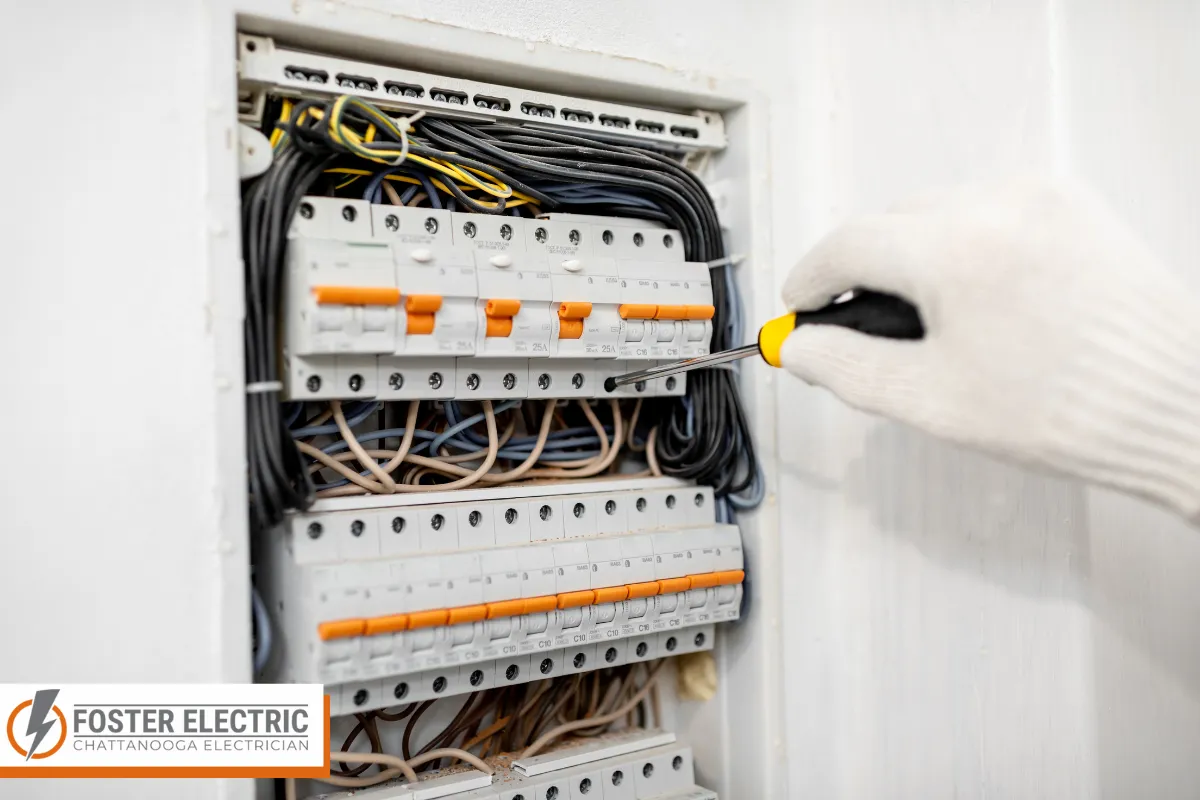
The heart of your home’s electrical system is the panel. It directs power to every outlet, switch, and light. But if it’s outdated or undersized, you’ll quickly run into trouble.
Signs you may need a panel upgrade:
- Breakers trip often
- Lights flicker or dim randomly
- New electric appliances trip breakers
- You rely heavily on power strips
A 200-amp service upgrade (or at least a 100-amp service upgrade) can:
- Support high-amperage upgrades
- Allow room for additional appliances
- Prevent overloaded circuits
- Prepare you for future power demands
And yes—only a licensed electrician should handle this. Electrical panel work involves serious safety considerations and local code compliance in East Ridge.
2. Dedicated Circuits for Appliances
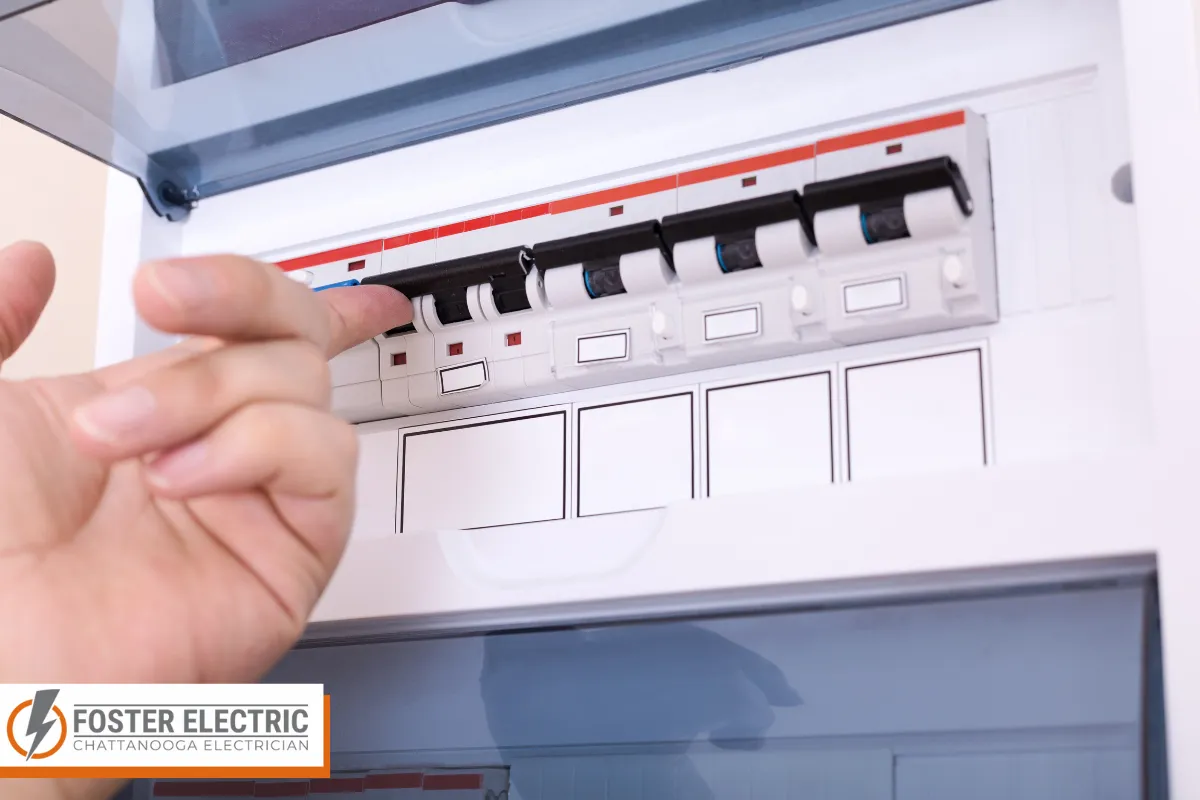
Think about your washer, dryer, microwave, dishwasher, and HVAC system. Each of these should have its own dedicated circuit. If they don’t, you risk:
- Overloading a shared circuit
- Tripping breakers during simultaneous use
- Damaging your electrical appliances
Appliances that need dedicated circuits:
- Refrigerators
- Microwaves
- Electric ovens
- Washers and dryers
- HVAC systems
- Tankless water heaters
Adding additional circuits helps your system handle larger amounts of power without strain. It’s one of the most overlooked electrical projects during home remodeling or improvement projects.
3. Safer, Smarter Electrical Outlets
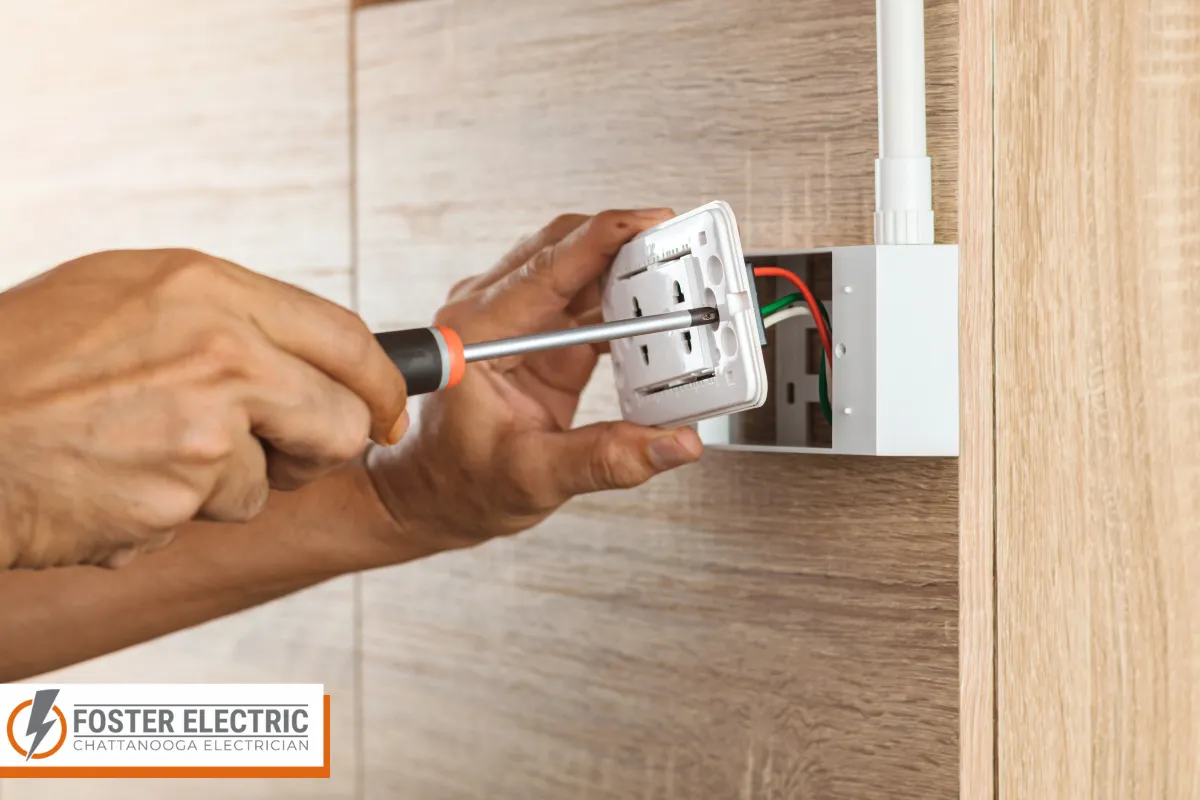
Old standard outlets—especially those two-prong vintage ones—just aren’t safe anymore. Today’s homes need more than just extra plugs. They need outlets that protect, charge, and think.
Upgrade your outlets with:
- Ground Fault Circuit Interrupters (GFCIs): Prevent shock in bathrooms, kitchens, garages, and outdoors.
- Arc Fault Circuit Interrupters (AFCIs): Stop electrical fires caused by damaged or frayed wires.
- Tamper-resistant outlets: Safer for homes with kids.
- USB outlets: Charge phones and tablets without bulky blocks.
- Smart outlets: Control your power from your phone or voice assistant.
- Additional wall outlets: Say goodbye to dangerous power strips snaking across your floor.
Installing the right electrical outlets boosts safety and supports your smart home features—especially when guided by an experienced electrician who knows East Ridge’s wiring codes and challenges.
✅ Recap So Far:
Upgrading your panel, circuits, and outlets with help from a residential electrician is the perfect way to:
- Eliminate safety hazards
- Power additional appliances
- Add advanced features and automation
- Plan for your future power requirements
4. Smart Home Integration
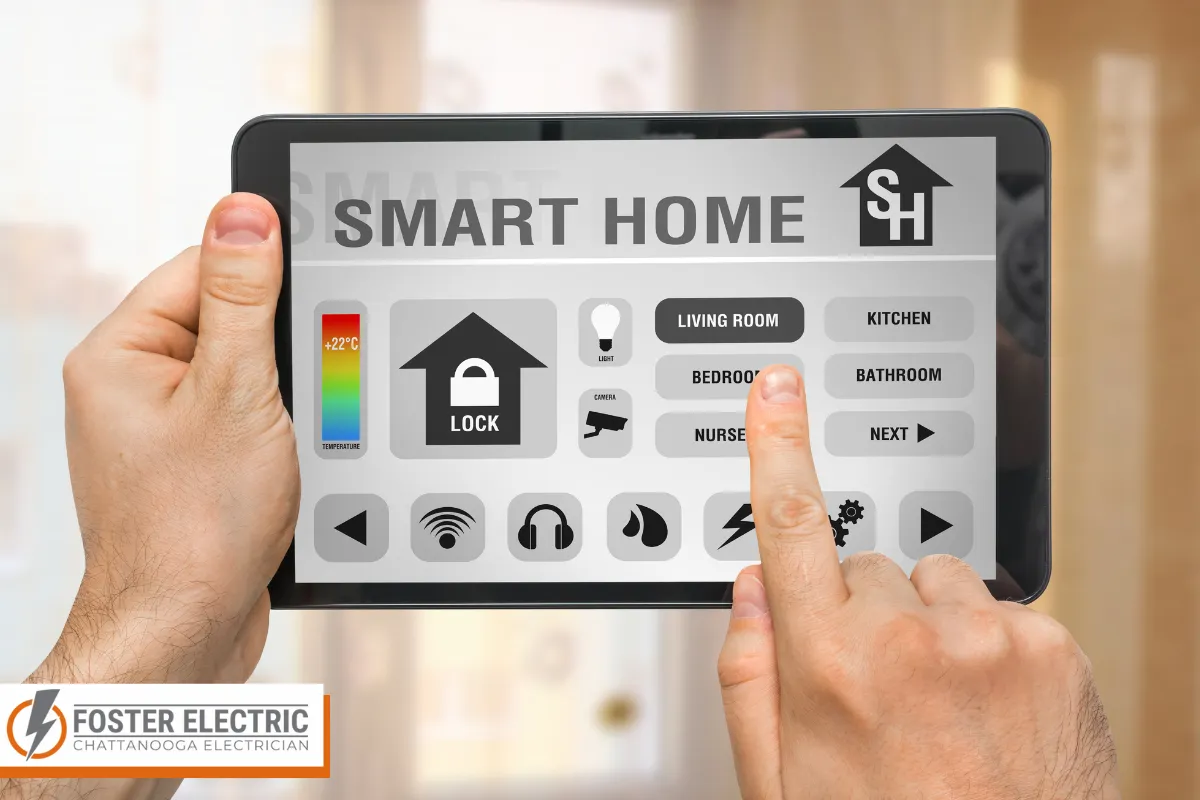
Smart homes aren’t just cool—they’re efficient, secure, and surprisingly affordable when you plan ahead. Smart home upgrades let you control lighting, appliances, and safety systems with your voice or phone.
A residential electrician can install:
- Smart switches for automatic lighting
- Smart outlets to control power remotely
- Smart thermostats to lower energy bills
- Doorbell cameras and smart locks
- Wi-Fi-controlled lighting systems
When professionally installed, these smart features become part of a fully connected home. A qualified electrician can also ensure your current electrical wiring can handle these advanced features without causing power surges or overloads.
Plus, smart lighting options can improve your home’s comfort with adequate lighting for every room—and set the mood while saving money.
5. LED Lighting Upgrades
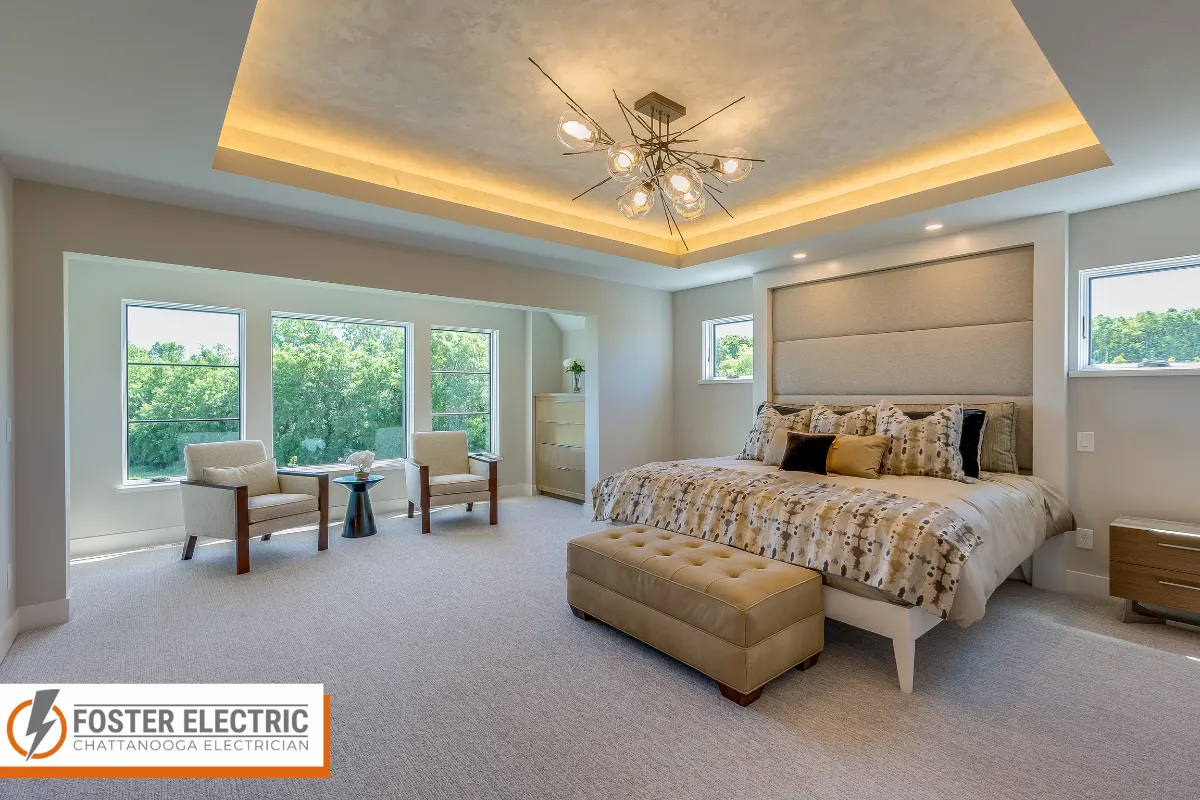
Old-school bulbs waste energy and give off heat. Upgrading to LED lighting fixtures is one of the easiest ways to boost efficiency and style in your home.
Benefits of switching to LED:
- Up to 75% more energy-efficient
- Longer bulb life (less replacing!)
- Lower electric bills
- Cooler to the touch (safer for kids)
- Works seamlessly with smart lighting systems
Add dimmers, motion sensors, and timers to your lighting systems for even more control. Whether it’s ample lighting for your kitchen or mood lighting in your living room, your electrical contractor can customize everything to your preferences.
6. Rewiring Old or Faulty Systems
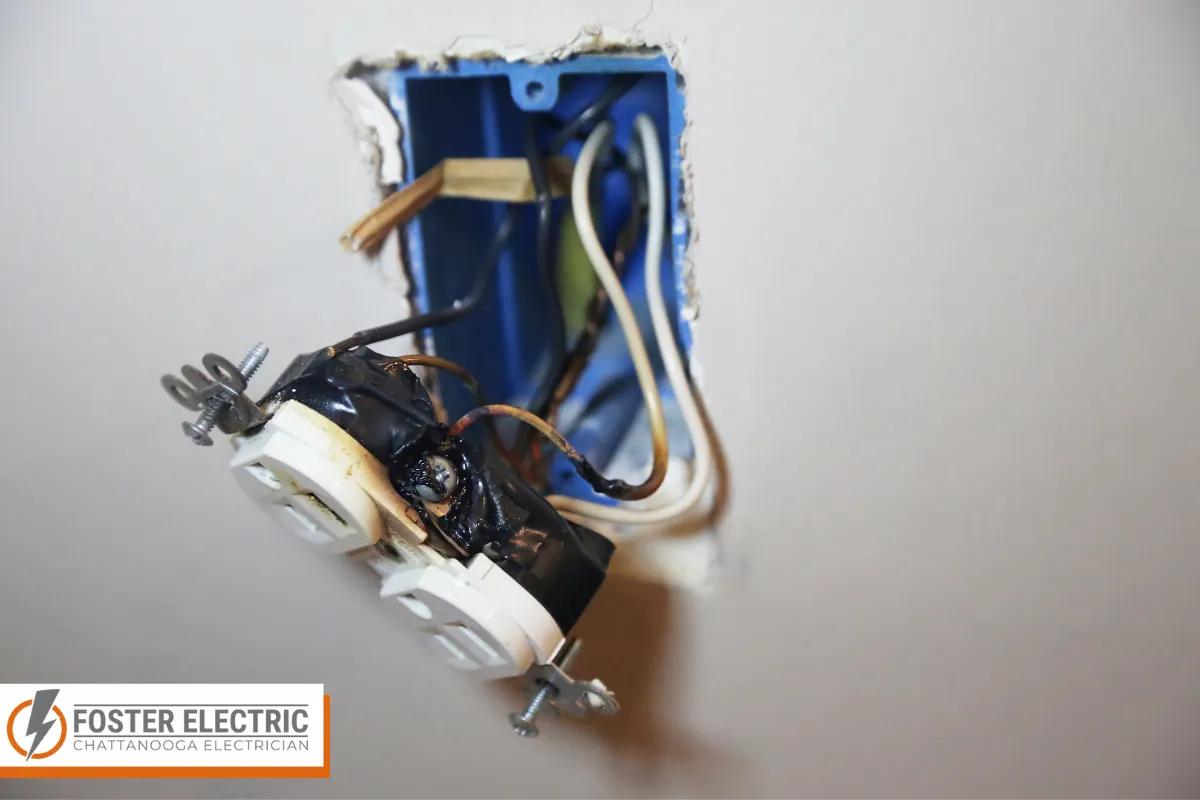
If your home was built before the 1980s, chances are your wiring could use an upgrade—especially if it still has aluminum wiring, improper wiring, or outdated wiring systems like knob-and-tube.
Faulty wiring is a top cause of house fires. A full electrical system upgrade with modern electrical wiring is one of the most important safety moves you can make.
Signs you need rewiring:
- Lights dim when appliances run
- Buzzing from switches or outlets
- Burning smell or hot faceplates
- Frequent circuit breaker trips
Rewiring also makes it easier to install smart home upgrades, additional circuits, or energy-efficient upgrades later on. Be sure to hire licensed electricians in East Ridge familiar with local codes and safe wiring installation practices.
7. Installing EV Charging Stations
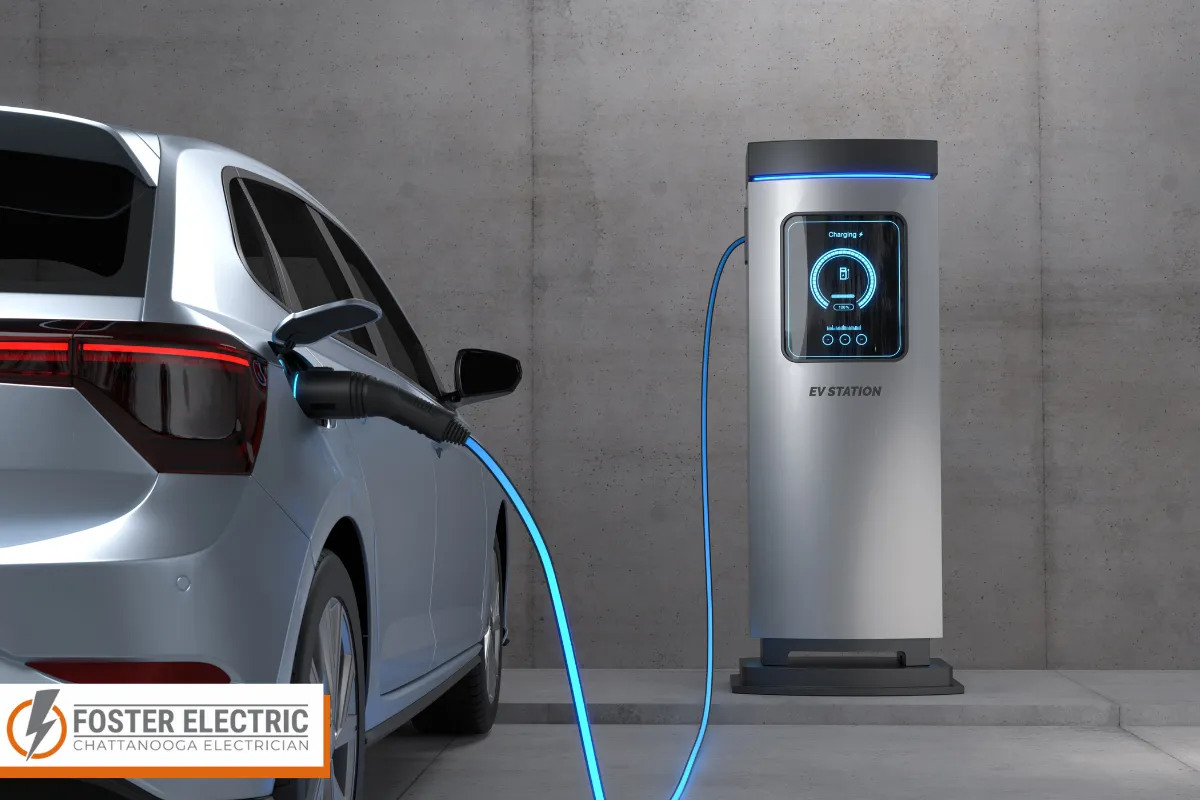
Electric cars are becoming more popular in East Ridge, and a home EV charger is super convenient—but it’s not as simple as plugging in a phone.
Most EVs need a 240V line and often a 200-amp service upgrade to support the added power demands.
What your electrician will do:
- Inspect your electrical panel upgrades to ensure sufficient power capacity
- Install a dedicated circuit for the charger
- Set up a wall-mounted Level 2 charger
- Ensure everything meets code and is weather-safe (for outdoor setups)
Planning for future power requirements like EVs now can save you thousands later. Avoid power outages and unsafe installations by working with a professional electrician from the start.
8. Whole-House Surge Protection
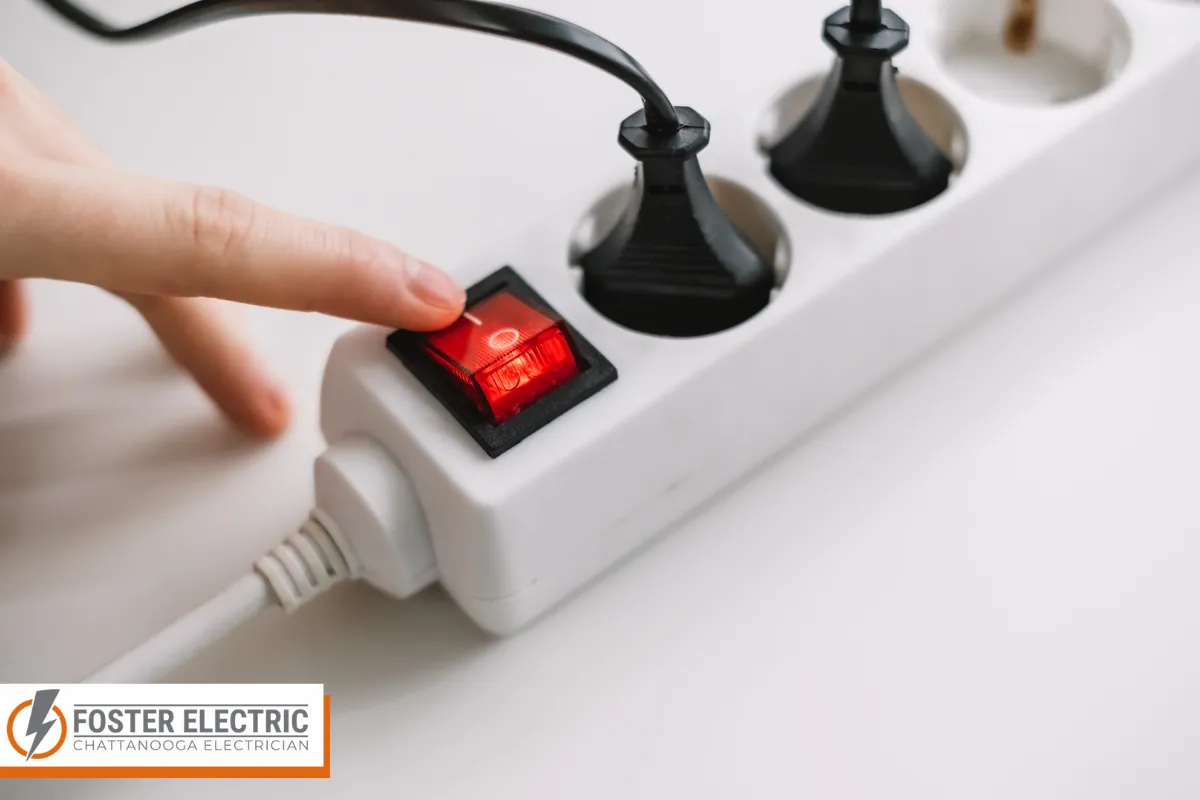
Every home in East Ridge can benefit from surge protection—especially when storms or inconsistent power threaten your devices.
Unlike power strips, a whole-house surge protector is installed directly at your panel by a residential electrician. It protects your entire home from power surges, including:
- Lightning strikes
- Utility grid issues
- Appliance malfunctions
- Sudden power disruptions
Why it matters:
- Protects smart home features, TVs, and computers
- Extends the life of electrical appliances
- Prevents data loss and equipment failure
Pair it with arc-fault circuit interrupters (AFCIs) and ground fault circuit interrupters (GFCIs) for the ultimate safety combo.
Bringing It All Together: A Smarter, Safer Home
Upgrading your home’s electrical system isn’t just about keeping the lights on—it’s about creating a safe, efficient, and future-ready living space. Whether you’re planning a few renovation projects or a full remodeling project, working with an authorized electrician ensures every detail is up to code and built to last.
From electrical panel upgrades to smart home upgrades, tamper-resistant outlets, LED lighting fixtures, and appliance safety guide checks, every enhancement adds value, comfort, and peace of mind.
In East Ridge, Tennessee, it’s smart to plan ahead—and smarter to hire a trusted electrical contractor to get the job done right.
East Ridge Electrician – Foster Electric
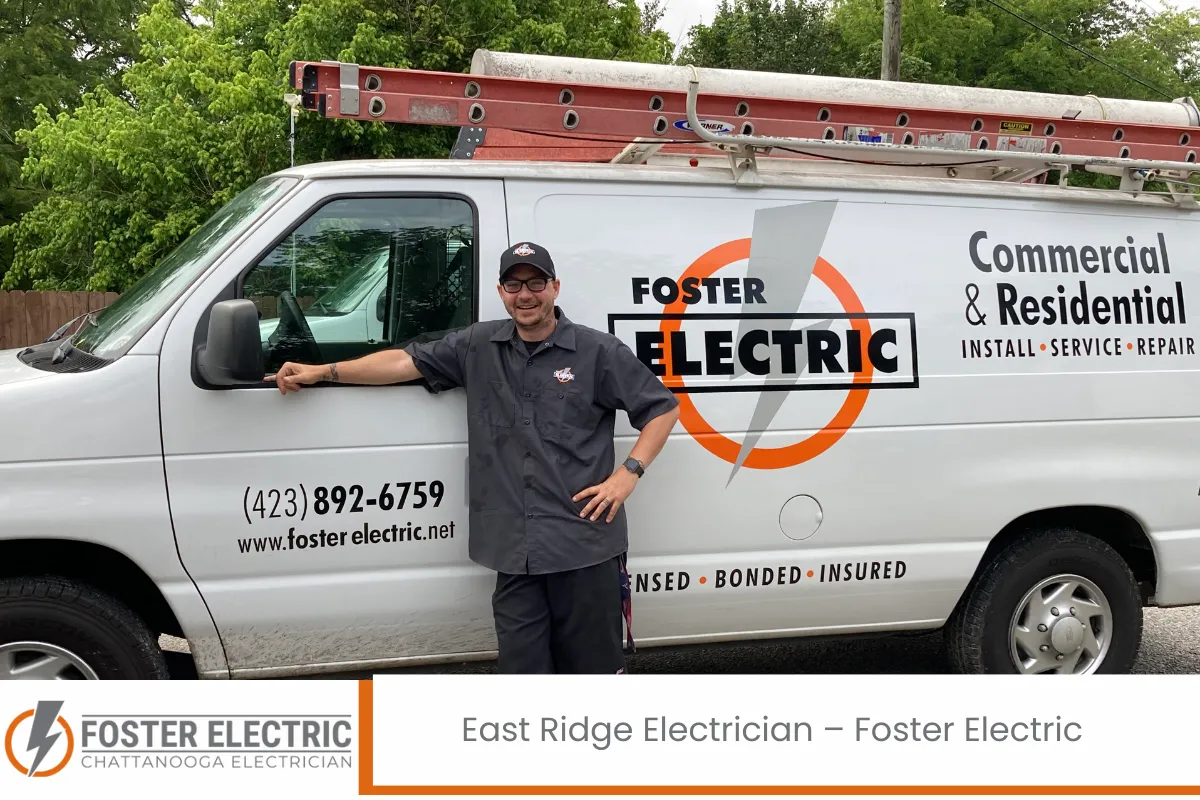
Looking for a trusted electrician in East Ridge, Tennessee or nearby areas? Call Foster Electric today at (423) 826-7270! Whether you’re upgrading your electrical panel, adding smart home features, or installing dedicated circuits for new appliances, our team delivers safe, code-compliant results you can count on. From minor repairs to full-home rewiring, no project is too big or small. We specialize in electrical upgrades that improve safety, efficiency, and convenience.
Don’t wait for the next power surge or breaker trip—our experienced professionals are here to help! Ready to start your next electrical project? Fill out our contact form or give us a call now. Let Foster Electric light the way to a smarter, safer home!
Electrical Upgrades & Smart Home FAQ
How do I know if my electrical panel needs to be upgraded?
Your electric panel may need an upgrade if you’re experiencing any of the following:
- Annoying power surges or tripped breakers frequently.
- LED lights flicker when large appliances start.
- Use of multiple extension cords due to limited electrical outlets.
- The panel is under 100-amp panel capacity, which isn’t enough for modern households.
- Signs of wear, like rust or damaged wires, near your breaker panel.
As your electricity demands increase with smart devices, energy-efficient appliances, and automation systems, your existing electrical setup may not support the electrical load. If your current setup lacks proper grounding, it poses potential hazards and violates building codes and safety standards. Always consult a licensed electrician for electrical maintenance to assess your home’s electrical power needs.
Are smart switches and outlets worth the investment?
Smart switches and Outlets with USB ports are great smart upgrade options. They provide:
- Remote control via automation tools or smart home technology.
- Integration with programmable thermostats and smart security systems.
- Greater energy efficiency by managing light fixtures and energy usage.
For homes with high utility bills, energy monitors in smart devices help reduce electricity usage. These types of upgrades optimize power for electrical devices and provide additional features like scheduling and dimming.
Installing dimmer switches with LED bulbs helps cut energy costs, especially when replacing incandescent bulbs. Long term, smart technology improves functionality, security, and savings. Consider your electrical capacity before installing, and ensure compatibility with your electrical circuit.
Can I legally do any electrical upgrades myself?
Yes, but it depends on your local electrical codes and building codes. In most areas:
- You may replace light switches, light fixtures, or basic alarms.
- Anything involving a new electrical circuit, breaker panel, or electrical wires usually requires a licensed electrician.
- Most upgrades must comply with safety standards, including proper grounding and correct neutral wire connections.
Doing unpermitted work could void insurance from insurance companies and risk electrical hazards. Before starting any upgrade, check with your utility company or local authority about necessary permits and inspections. DIY is best limited to low-risk tasks unless you’re experienced and understand electrical safety protocols.
What’s the difference between GFCI and AFCI protection?
GFCI (Ground Fault Circuit Interrupter) and AFCI (Arc Fault Circuit Interrupter) serve different safety functions:
- GFCI protects from electrical hazards caused by water and moisture. Common in bathrooms, kitchens, and outdoor outlets.
- AFCI detects electrical arcs, preventing potential issues from damaged wires or aging electrical devices. Required in bedrooms and living areas under modern electrical codes.
Both improve electrical safety, especially in older homes or areas with “vintage” two-prong outlets. Homes electrical setup should include both types for comprehensive protection. These devices reduce fire risk, meet safety standards, and may even lower premiums from insurance companies.
Do I need permits for electrical work in my home?
In most locations, permits are required for:
- Upgrading a breaker panel or electric panel.
- Installing a new electrical circuit or power supplies.
- Modifying the electrical load to support appliances for energy efficiency.
Permits ensure compliance with electrical codes, building codes, and safety standards. Licensed electricians usually handle this. Unpermitted work can be a potential hazard, affect your resale value, and cause issues with insurance companies.
Small tasks like changing LED lights or installing Outlets with USB ports may not require permits, but always confirm with your local utility company or inspector.
Can I install a Tesla or EV charger at home without upgrading my panel?
It depends on your electrical capacity and the type of charger:
- A standard Level 1 charger (120V) uses less electrical power and often works with your current setup.
- Level 2 chargers (240V), especially for a Tesla, may need a 400-amp service upgrade or an automatic power sharing device.
Homes with an older 100-amp panel likely need an upgrade due to additional electricity demand. Consider actual charger specs, your home’s energy usage, and future smart upgrade plans.
Have an electrician assess your electrical setup to avoid overloading circuits and to maintain safety features and proper grounding.
What upgrades are most important when renovating an older house?
Focus on these types of upgrades in older homes:
- Replace “vintage” two-prong outlets with grounded ones.
- Update electrical wires and ensure proper grounding.
- Install GFCI and AFCI for electrical safety.
- Upgrade to a breaker panel that meets your electricity demands.
- Replace inefficient gas appliances with appliances for energy efficiency.
Consider adding smart devices, automation systems, and LED lights to improve energy efficiency. Upgrades like smart smoke alarms, security systems, and programmable thermostats enhance safety and convenience while aligning with advancements in technology.
Hire a licensed electrician to ensure upgrades meet electrical codes and accommodate the electrical load of modern households.
Will these upgrades increase my home’s appraisal value?
Yes, strategic electrical upgrades can raise your home’s value:
- Smart home technology such as automation hubs, smart switches, and smart security systems.
- A new breaker panel or 400-amp service upgrade.
- Energy-saving features like LED bulbs, smart devices, and energy-efficient appliances.
Buyers and appraisers look for safety features, modern electrical setup, and reduced utility bills. Energy upgrades appeal to insurance companies, who may offer discounts for improved electrical safety.
Adding Outlets with USB ports, dimmer switches, and upgraded light fixtures are small changes with big impacts. Appraisers value compliant, updated electrical systems that reduce potential issues and support new technologies.
What’s the lifespan of modern electrical wiring and outlets?
Modern electrical wires and outlets with USB ports can last 30–50 years with proper use and regular maintenance:
- Copper wiring is durable and meets most electrical codes.
- New outlets with smart technology and surge protection improve electrical safety.
- Signs of wear like discoloration, heat marks, or loose connections indicate it’s time to replace components.
Electrical maintenance should be done every few years to check for potential hazards, especially in homes with high electricity usage or advanced heating elements like attic heating.
Staying current with safety standards helps prevent breakdowns, saves on energy costs, and supports appliance optimisation.
How do I find a trustworthy residential electrician near me?
Use these steps:
- Ask your utility company or neighbors for referrals.
- Check licensing and insurance.
- Look for reviews with verified electrical work involving smart devices, smart upgrade installations, or 400-amp service upgrades.
- Request an inspection for your current setup and electrical capacity.
- Ensure familiarity with electrical codes, safety features, and building codes.
A reliable electrician should assess your electrical load, recommend proper energy-efficient appliances, and identify potential hazards like damaged wires or neutral wire faults.
Hiring a pro ensures your upgrades follow standards, saving money on utility bills and supporting future smart home technology integrations.
Read How an Electrician Diagnoses Outdated Electrical Systems: What to Expect